So, you're wondering about chemical engineers, huh? Imagine this: you're brewing coffee. Pretty straightforward, right? Water, beans, heat. Bam! Caffeine goodness. But what if you wanted to make *industrial-strength* coffee? Enough to fuel an entire city? That's where chemical engineers stroll in, capes optional (but highly encouraged).
What's the Deal?
Basically, they're the masterminds behind turning raw materials into, well, pretty much everything! From the gasoline in your car to the shampoo you use (hopefully!), they're involved. Think of them as the ultimate recipe developers, but instead of cookies, they're cooking up pharmaceuticals, plastics, and everything in between.
Ever wonder how they make those tiny little computer chips? Or how they get the perfect consistency in your favorite yogurt? Yep, chemical engineers. They're like the silent superheroes of the modern world. (Seriously, where would we be without them? Probably still using whale oil for lighting... yikes!).
What Do They Actually *Do* All Day?
Good question! It's not all bubbling beakers and mad scientist laughter (although, I bet some days it is!). Their work is super diverse. Let's break it down:
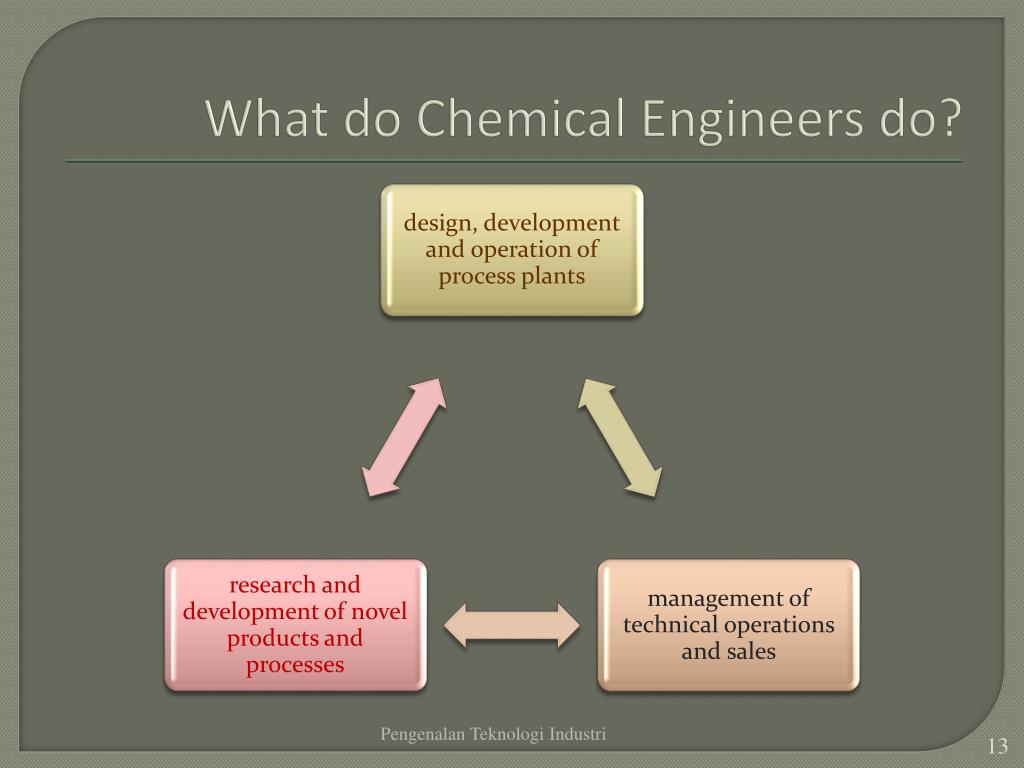
- Design and Develop Processes: They figure out the *most efficient* and *safest* ways to manufacture stuff. Think flowcharts, equations, and maybe a little bit of caffeine-fueled brainstorming.
- Scale-Up Production: Okay, you've got a cool experiment working in a lab. Now, how do you make *tons* of it without blowing anything up? That's their challenge!
- Troubleshooting: Something goes wrong in the factory? Surprise! It's leaking? Not working efficiently? Time to put on their detective hats and solve the mystery. They are process whisperers.
- Research and Development: Always searching for new materials, new processes, and new ways to make things better (and sometimes, just *cooler*). Imagine inventing a self-healing plastic!
- Safety and Environmental Compliance: Making sure everything is done safely and responsibly. No one wants a chemical spill ruining their picnic (or, you know, worse). They're the environmental guardians.
See? Way more than just mixing chemicals! It's a mix of science, math, problem-solving, and a whole lot of creativity. (And maybe a dash of sheer luck on those tougher days!).
Where Do They Work?
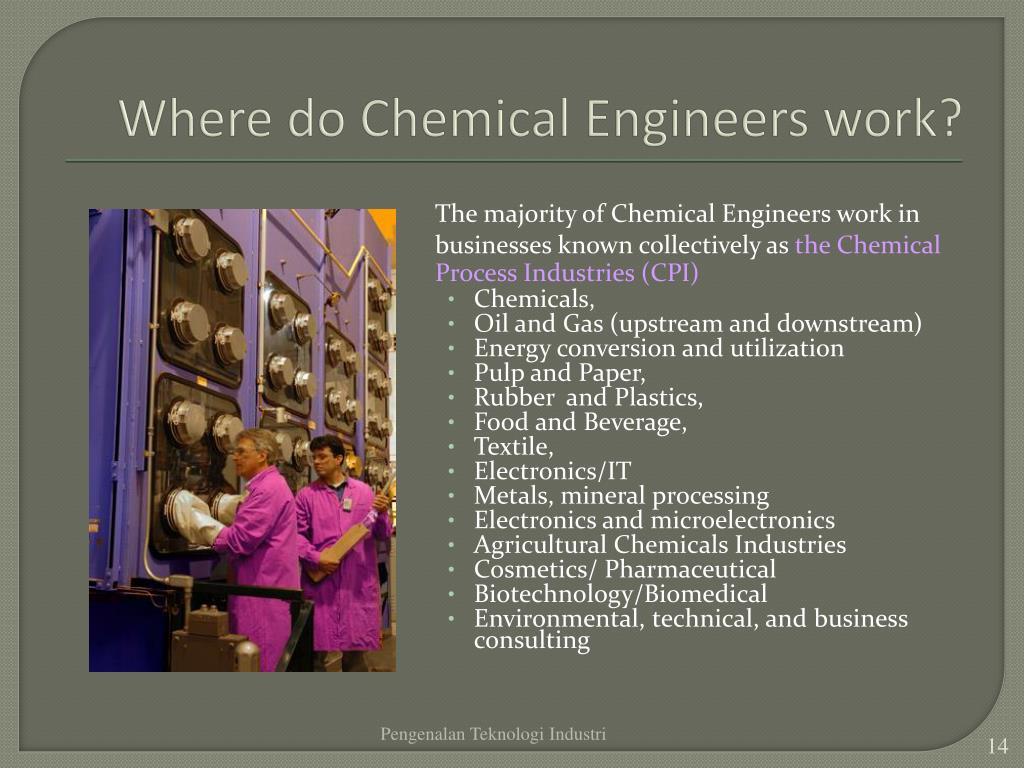
Everywhere! Seriously, the options are pretty wild. Pharmaceutical companies, oil refineries, food processing plants, environmental agencies... you name it, they're probably there. Think of any industry that involves *transforming materials*, and you'll likely find a chemical engineer lurking somewhere, optimizing things, making processes more efficient, and generally being awesome.
They might be in a lab coat, out on a factory floor, or even behind a desk crunching numbers. It all depends on the specific job and industry.
Is It Hard?
Let's be honest, it's not a walk in the park. You're talking about a lot of complex concepts, math that would make your head spin (at least, *my* head!), and a whole lot of responsibility. But, like anything worthwhile, it's also incredibly rewarding. Imagine seeing something you designed being used by millions of people! Pretty cool, right?
Plus, they get paid pretty well. Just sayin'. *cough cough*
So, Should *You* Become a Chemical Engineer?
Well, that's a big question! Do you love science? Are you a problem-solver? Do you enjoy figuring out how things work (and how to make them work *better*)? If so, then chemical engineering might be right up your alley! You'll be challenged, you'll be constantly learning, and you'll be making a real difference in the world. Not a bad gig, huh?
Just be prepared for a lot of studying. And maybe invest in a good caffeine supply. You know, for all that industrial-strength coffee research. Wink, wink.