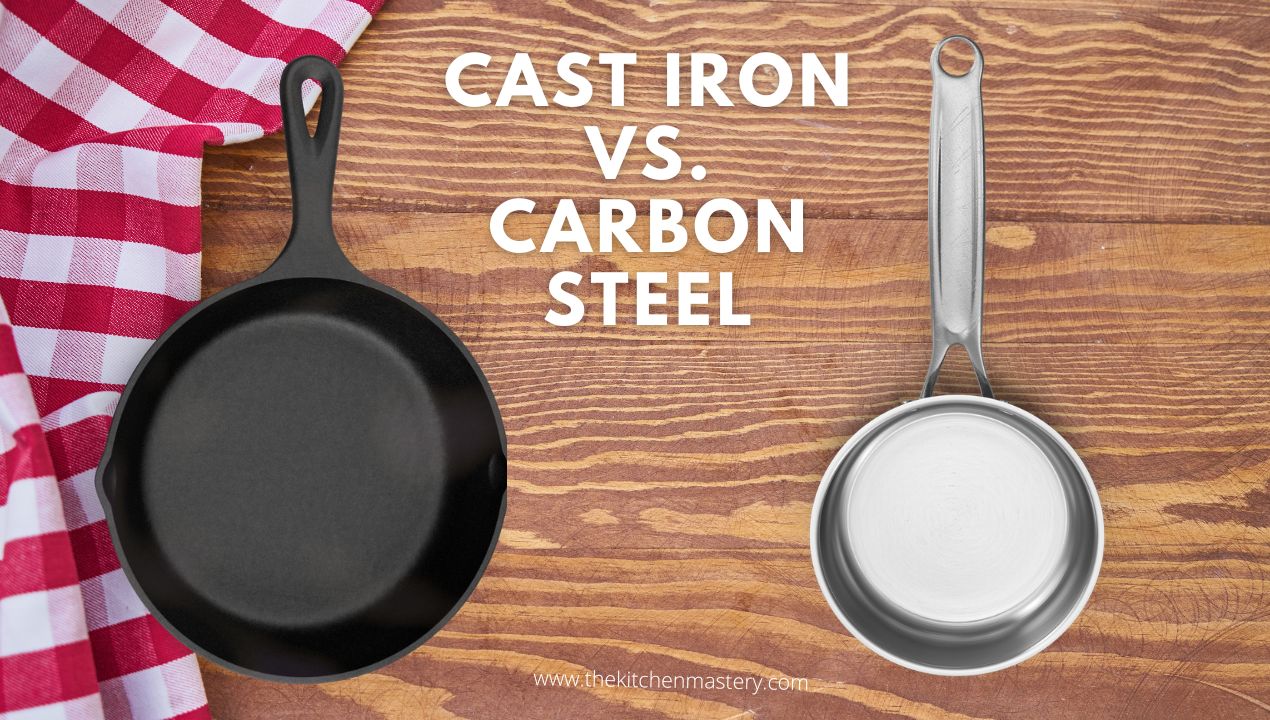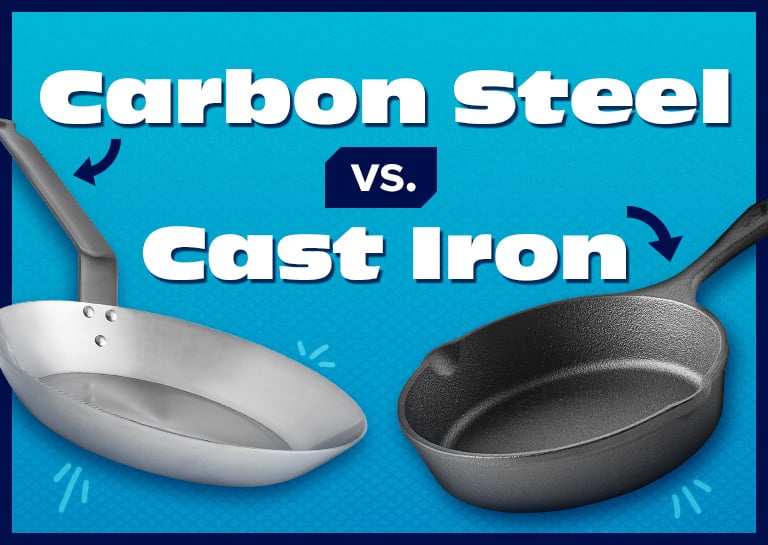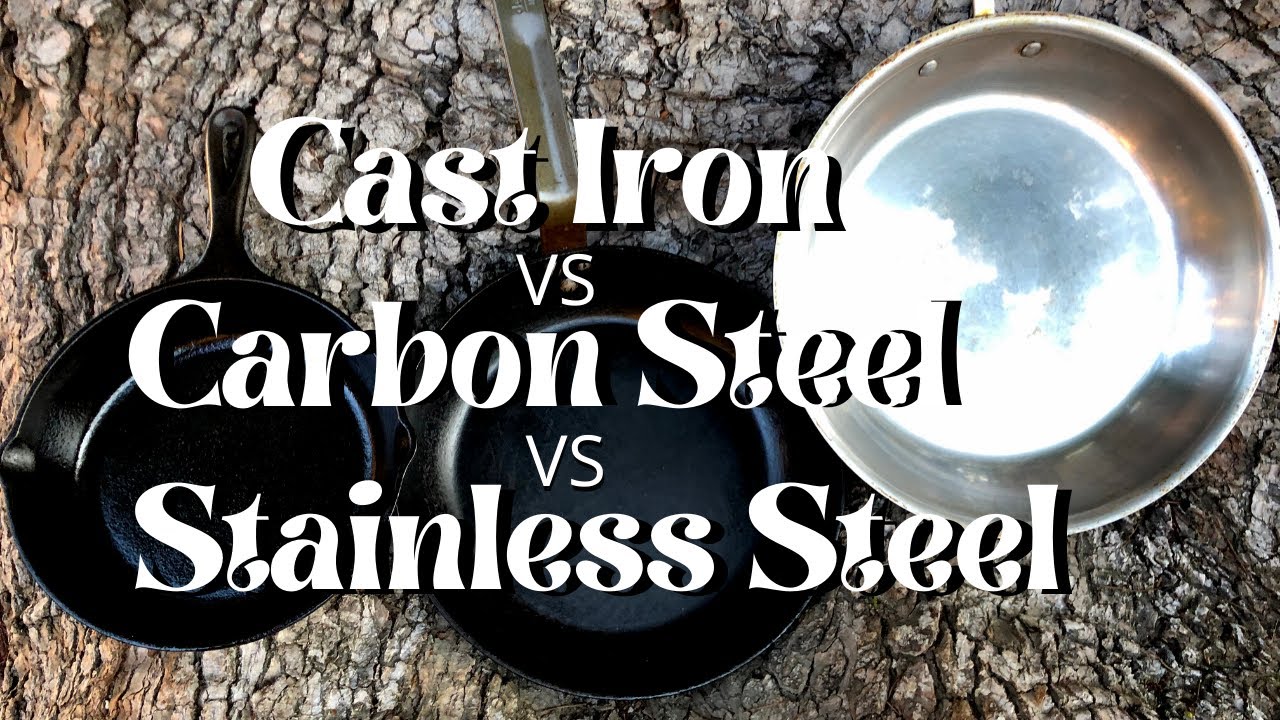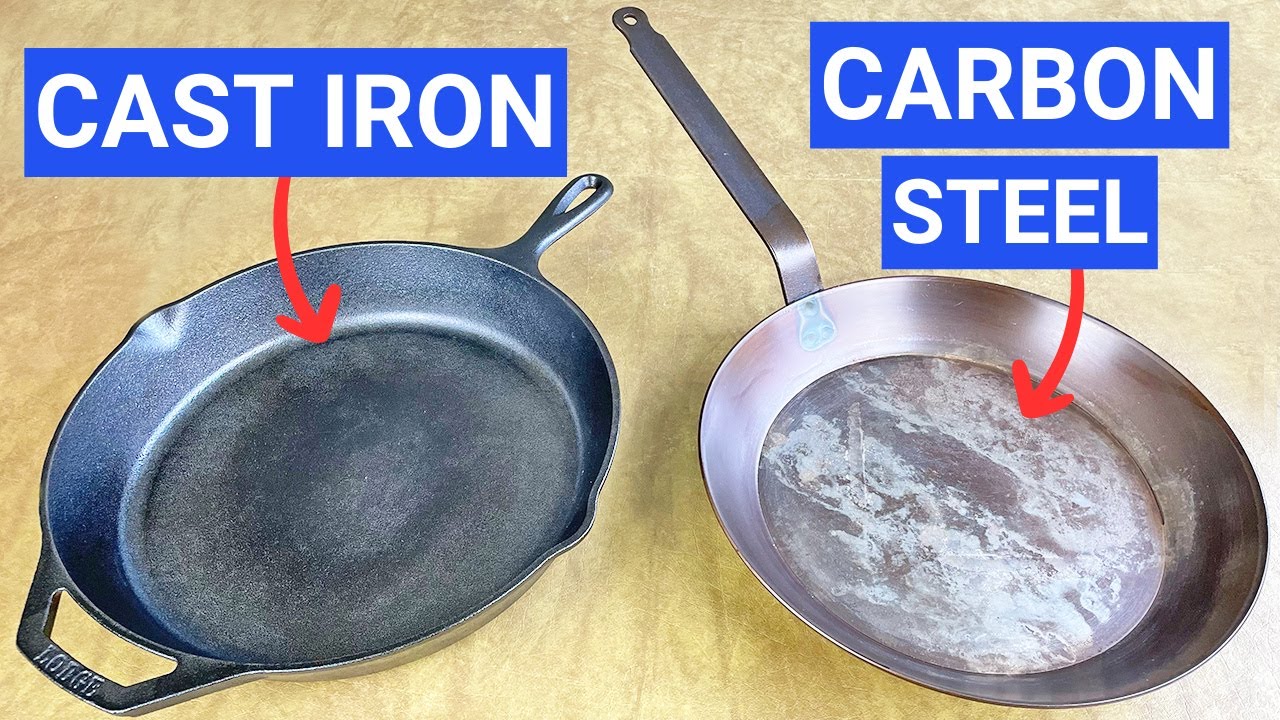
Have you ever watched a cooking show and been mesmerized by a chef effortlessly sliding an omelet out of a perfectly seasoned pan? Or perhaps you've admired the rustic charm of a perfectly browned cornbread cooked in a dark, well-loved skillet? Chances are, you were witnessing the magic of either a cast iron or carbon steel skillet. These workhorses of the kitchen aren't just tools; they're culinary companions that can elevate your cooking game and even become family heirlooms. Let's dive into the fascinating world of these two fantastic pans and explore their differences, benefits, and how you can start using them today.
So, what exactly is a cast iron or carbon steel skillet, and why should you care? Both are essentially heavy-duty pans designed for high-heat cooking and incredible heat retention. Think searing steaks with that coveted crust, baking golden-brown pizzas, or creating crispy-skinned chicken. They're incredibly versatile, moving seamlessly from stovetop to oven, and can even be used over an open campfire. Their main benefit lies in their ability to distribute heat evenly, preventing hot spots that can ruin your food. Plus, with proper seasoning (more on that later!), they develop a natural non-stick surface, making cooking and cleanup a breeze.
These skillets aren't just for professional chefs, though! In education, they're fantastic tools for teaching about heat transfer, material science, and even the history of cooking. Think about a science experiment where you demonstrate how different metals heat up at different rates. In daily life, the possibilities are endless. Imagine waking up to perfectly cooked pancakes every morning, or impressing your friends with a restaurant-quality paella cooked over an outdoor grill. They're also excellent for one-pan meals, reducing both cooking time and cleanup. My own carbon steel skillet is my go-to for everything from stir-fries to frittatas.
The key to unlocking the full potential of both cast iron and carbon steel is seasoning. This process involves coating the pan with a thin layer of oil and baking it in the oven at a high temperature. Over time, the oil polymerizes, creating a smooth, non-stick surface that also protects the pan from rust. While cast iron typically arrives pre-seasoned, carbon steel often requires more initial seasoning to build up that protective layer. Don't be intimidated, though! There are countless online tutorials that walk you through the process step-by-step.
Ready to explore the world of cast iron and carbon steel? A simple way to start is by purchasing a pre-seasoned cast iron skillet. Lodge is a popular and affordable brand. For carbon steel, look for a brand like Matfer Bourgeat. Start with simple recipes like cornbread or roasted vegetables. Pay attention to how the pan heats up and distributes heat. Experiment with different cooking oils to see which ones work best for you. Remember, seasoning is an ongoing process, so the more you use your skillet, the better it will perform over time.
Ultimately, the choice between cast iron and carbon steel comes down to personal preference. Cast iron is known for its superior heat retention and durability, while carbon steel is lighter and heats up more quickly. Both offer exceptional cooking performance and can become treasured kitchen companions with proper care. So, embrace the adventure, get cooking, and enjoy the delicious results!