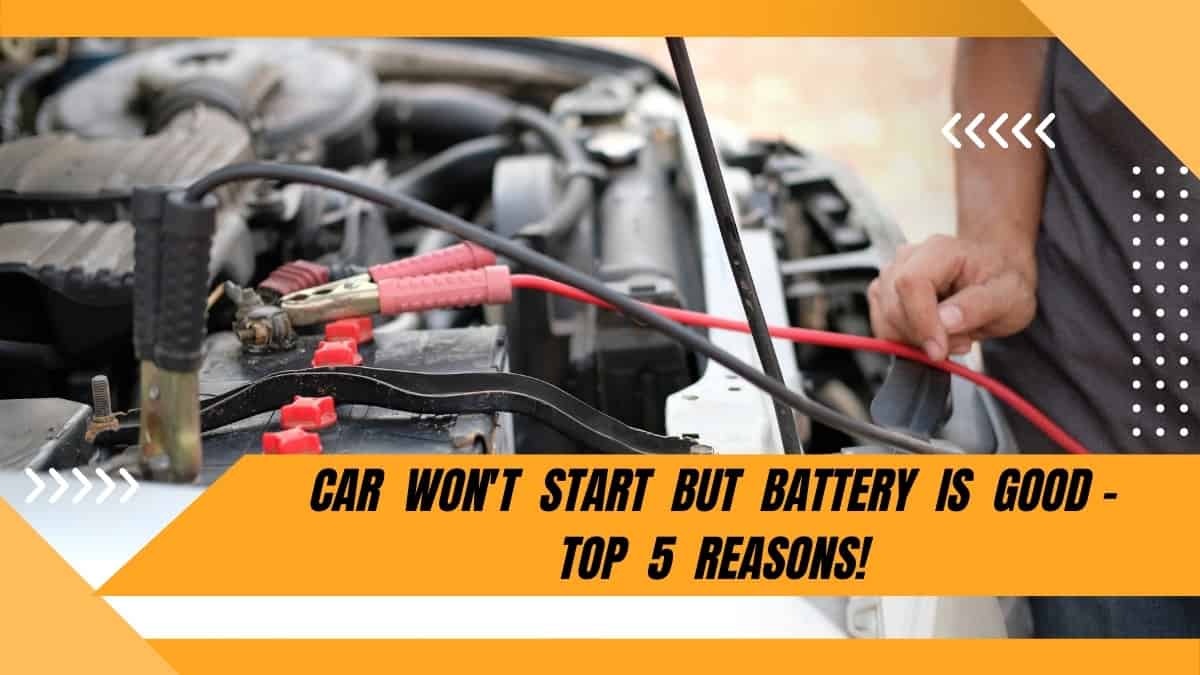
Okay, let's face it: there are few car-related frustrations quite as universally annoying as turning the key (or pressing the start button!) and hearing... absolutely nothing. You expect a satisfying *vroom*, but instead, you get silence. You think, "Oh no, not again!" Especially when you're running late, have a car full of kids, or are just eager to get home. But before you start imagining worst-case scenarios and expensive repairs, let’s explore a very common culprit: a good battery, but a car that still won't turn over. Understanding why this happens can save you time, money, and a whole lot of stress.
Why is this knowledge helpful? For the absolute beginner, it's about empowering yourself. Knowing basic troubleshooting steps can prevent you from being taken advantage of by unscrupulous mechanics. For families, especially those with young children, avoiding being stranded is paramount. Imagine being stuck on the side of the road with a cranky toddler – nobody wants that! And for the weekend hobbyist or DIY enthusiast, this is just another piece of the automotive puzzle to master. You'll be able to diagnose and potentially fix the issue yourself, saving money and gaining a satisfying sense of accomplishment.
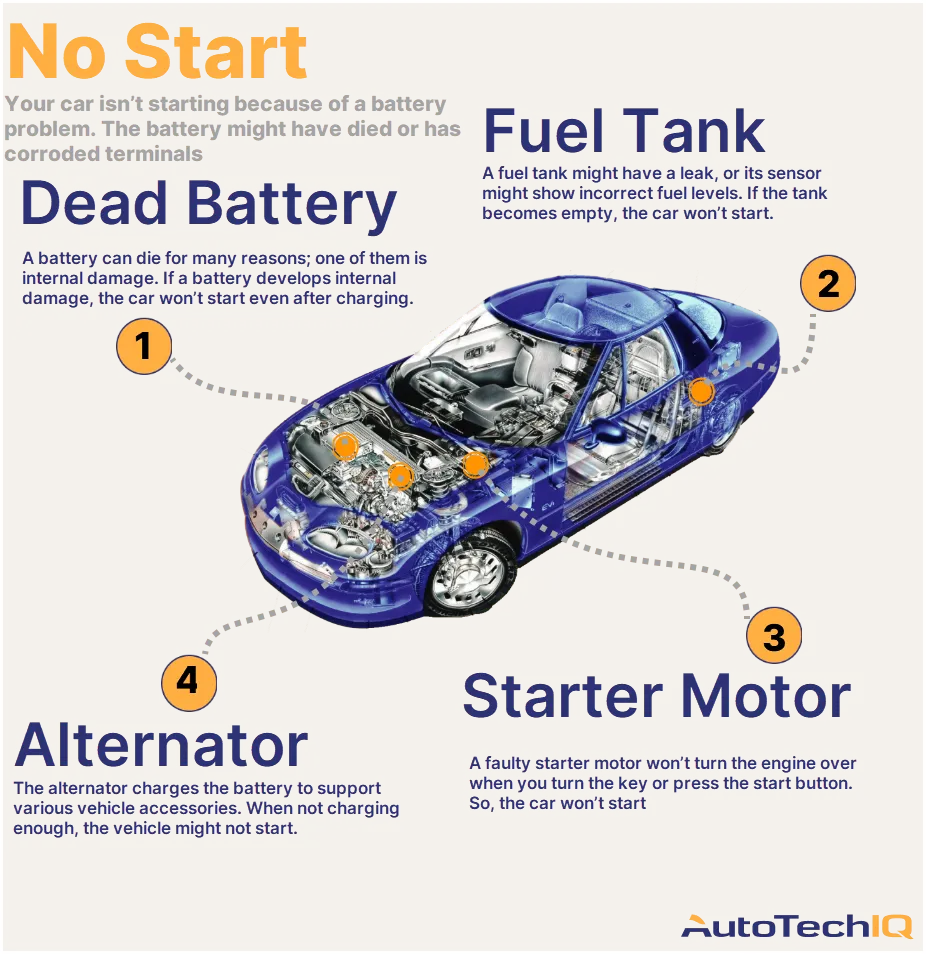
So, your battery tests good. What gives? The problem often lies in the *starting system* itself. This system is more than just the battery; it includes the starter motor, the solenoid, and the various connections between them. Think of it like a chain: if one link is weak, the whole thing fails. Here are some potential culprits:
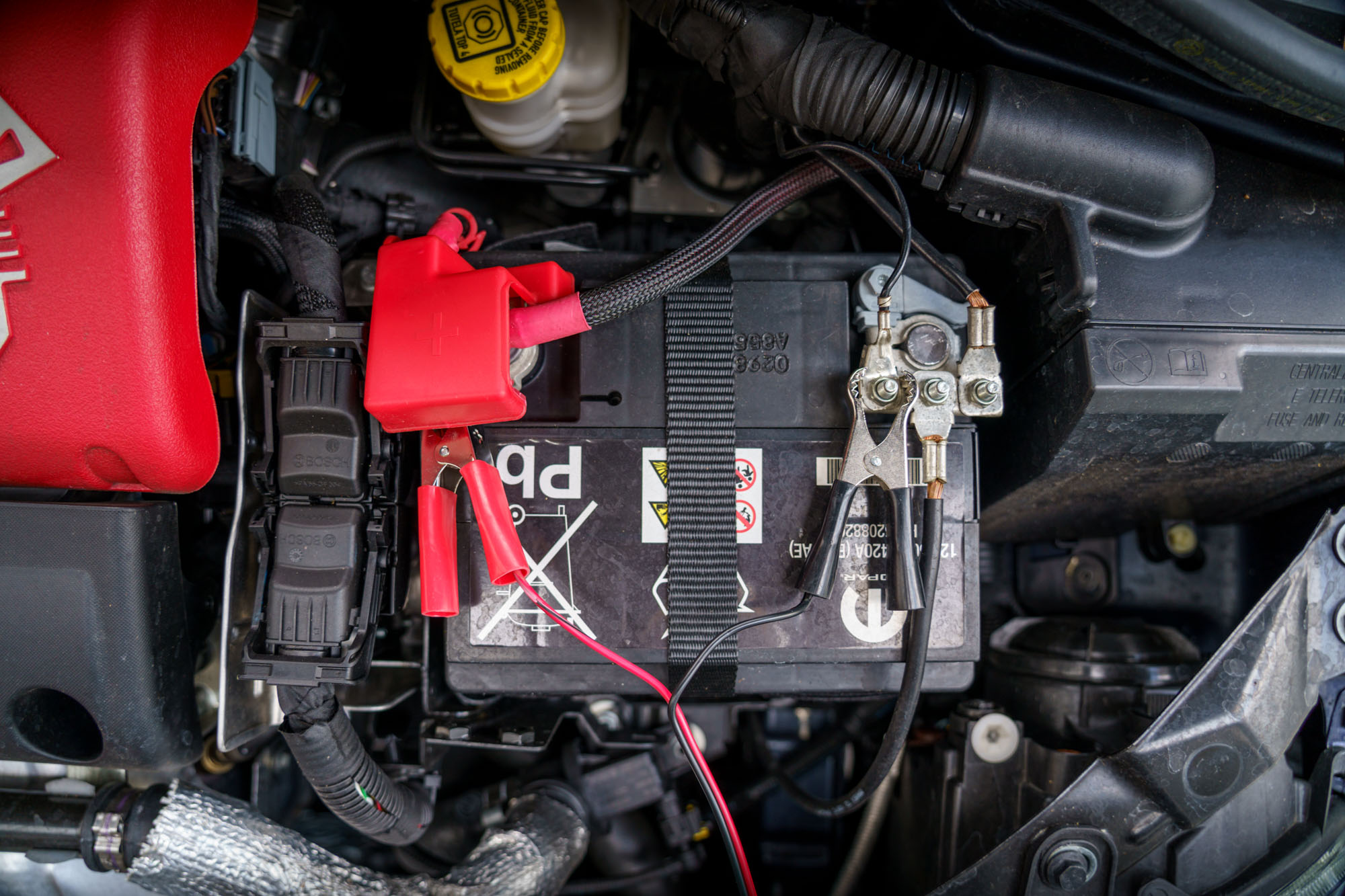
- Loose or Corroded Connections: This is the most common issue. Battery terminals need to be clean and tightly connected. Corrosion acts as an insulator, preventing the flow of electricity. Also check the ground cable connection to the car's frame.
- Faulty Starter Motor: The starter motor is responsible for actually turning the engine. If it's failing, it might draw too much power, causing a click but no crank, or it might simply be dead. Sometimes tapping the starter motor with a hammer *might* temporarily get it going, but this is a temporary fix only.
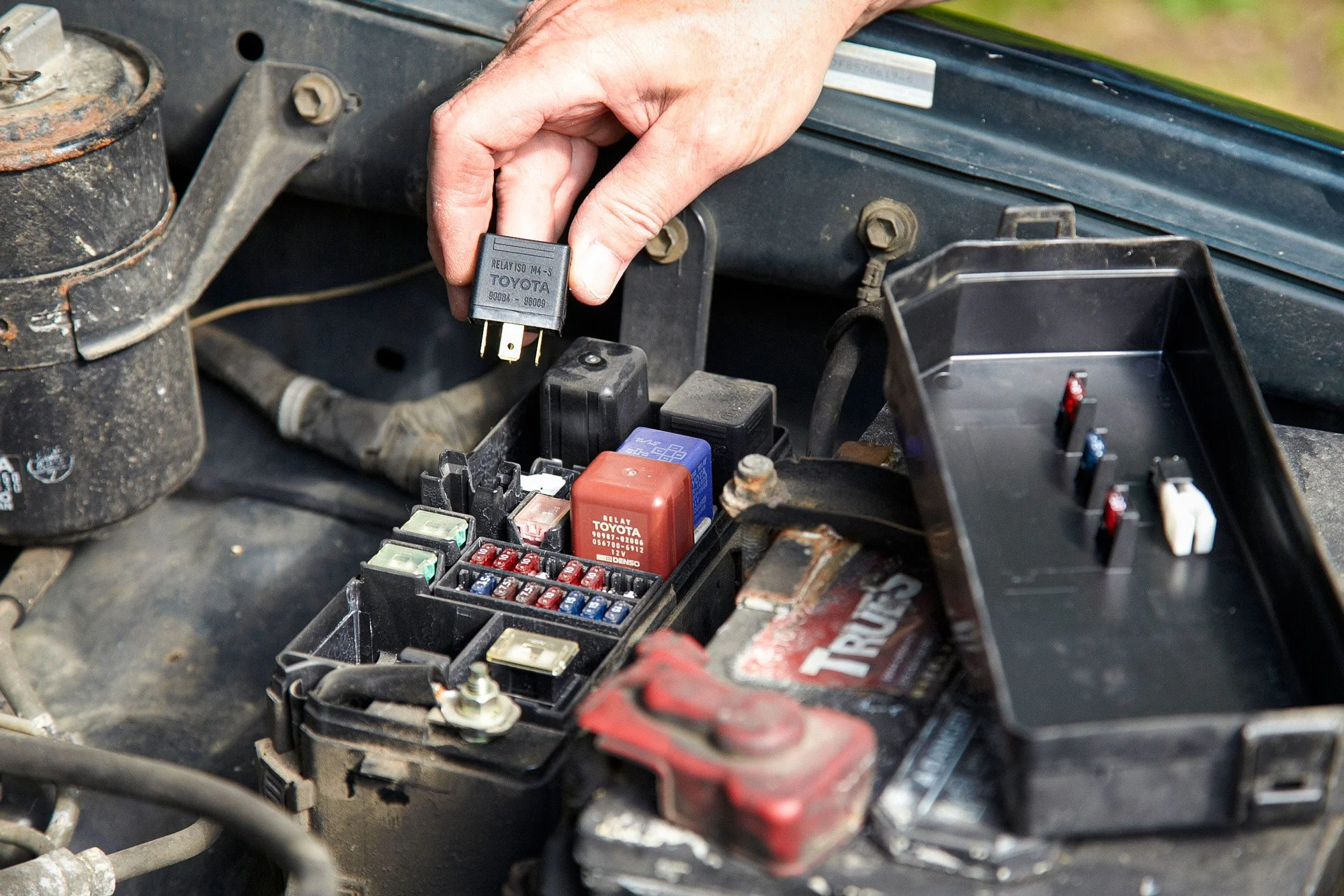
- Bad Solenoid: The solenoid acts as a relay, sending power from the battery to the starter motor. A faulty solenoid can prevent this crucial transfer.
- Ignition Switch Problems: The ignition switch sends the signal to start the car. If it's failing, it might not be sending that signal reliably.
- Neutral Safety Switch: This switch prevents the car from starting unless it's in Park or Neutral (for automatics) or clutch is depressed (for manuals). A faulty switch could prevent starting even when in the correct gear.
Practical Tips for Getting Started:
- Visually Inspect the Battery Terminals: Look for corrosion (a white or bluish powder). Clean them with a wire brush or a terminal cleaner. Make sure the connections are tight.
- Check the Ground Cable: Ensure the cable connecting the battery to the car's frame is clean and secure.
- Listen for a Click: When you turn the key, do you hear a single *click*? This often indicates a problem with the solenoid or starter motor.
- Test the Voltage Drop: If you have a multimeter, you can check the voltage drop across the battery terminals while trying to start the car. A significant drop (below 9.6 volts) can indicate a weak battery *even if* it initially tested good.
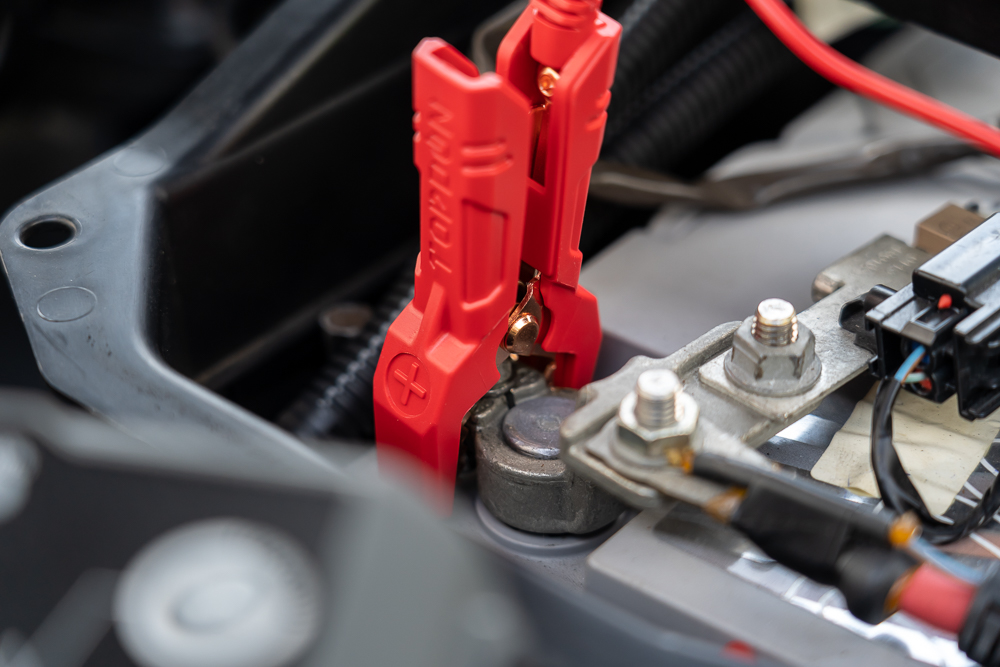
- Try Jump Starting (Carefully!): Even though your battery tested good, try jump-starting the car. If it starts with a jump, it *could* indicate a battery issue or a problem with the charging system.
Diagnosing a "good battery, won't turn over" situation can feel daunting, but breaking it down into these simple steps makes it much more manageable. Remember, safety first! If you're uncomfortable working on your car, or if you've tried these steps and are still stuck, don't hesitate to consult a qualified mechanic. The satisfaction of figuring out the problem yourself, or at least having a better understanding of what's wrong, is definitely worth the effort. Plus, you'll be less likely to get surprised by an unexpected bill!