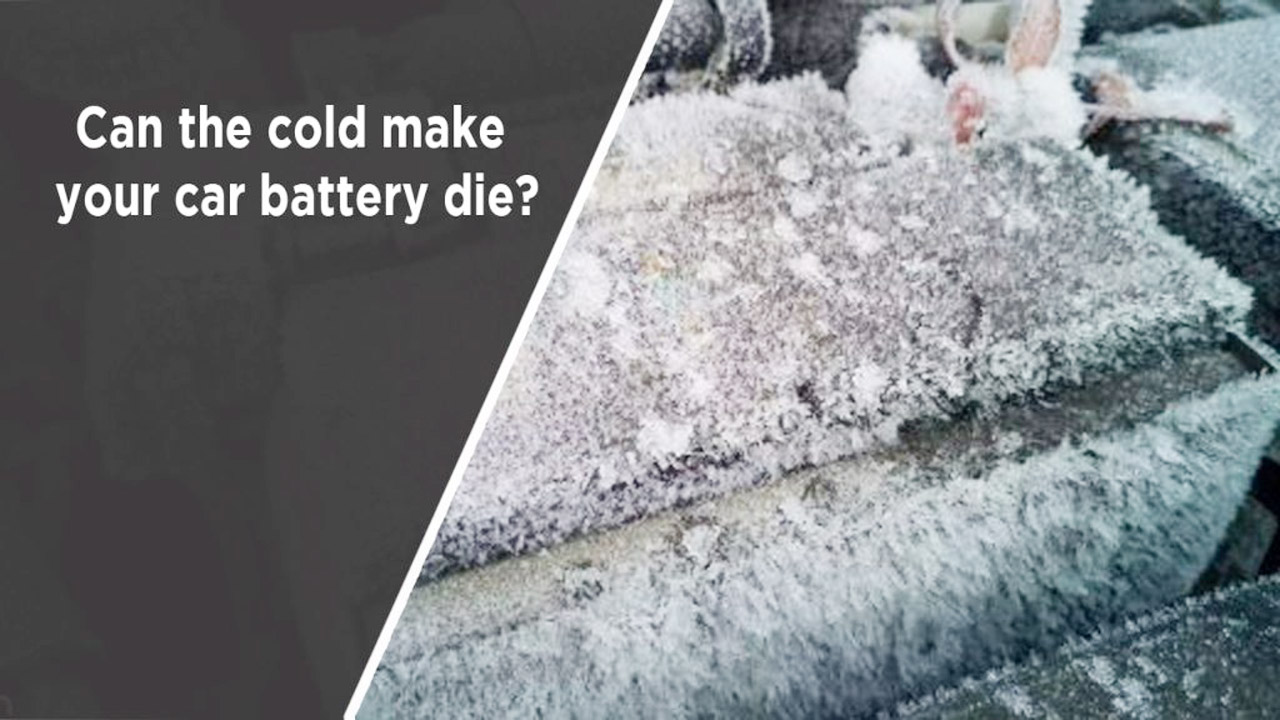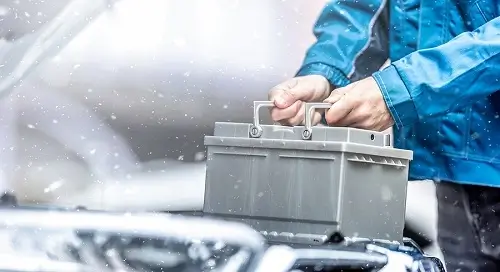
There's something uniquely unsettling about turning the key in your car on a frigid morning, only to be greeted by a sluggish groan...or worse, silence. It's a scenario many of us have faced, and it begs the question: Can the cold actually kill your car battery? The answer, thankfully, isn't quite so dramatic, but understanding the relationship between cold weather and battery performance is both fascinating and incredibly useful.
Why should you care? For beginners just learning about car maintenance, knowing that cold weather affects your battery is crucial to preventing roadside headaches. For families relying on their car for school runs and errands, a dead battery can throw the whole day into chaos. And for car hobbyists, understanding the nuances of battery performance in different conditions is just another way to optimize their vehicles.
So, what's the deal? Cold weather doesn't necessarily "kill" your battery outright, but it significantly reduces its power output. Think of it like this: your battery is a tiny chemical reaction factory. Cold temperatures slow down those reactions. This means your battery has to work harder to crank the engine, especially since the engine oil is also thicker in cold weather, requiring even more power to turn over. Essentially, the cold puts your battery under extra stress.
It's worth noting that a battery already nearing the end of its lifespan is particularly vulnerable. A weak battery that performs adequately in warmer months might completely fail when the temperature drops. This is why it's a good idea to have your battery tested before winter sets in. Many auto parts stores offer free battery testing services.
Examples and Variations:
- The "Slow Crank": The most common sign of a cold-affected battery is a slow, labored engine crank when you try to start the car.
- Total Failure: In extreme cold, or with a very weak battery, you might get absolutely nothing when you turn the key – no lights, no sounds, just dead silence.
- The "Parasitic Drain": Leaving your lights on, even for a short period, can further drain a struggling battery in cold weather, leading to starting problems.
Simple, Practical Tips to Get Started:
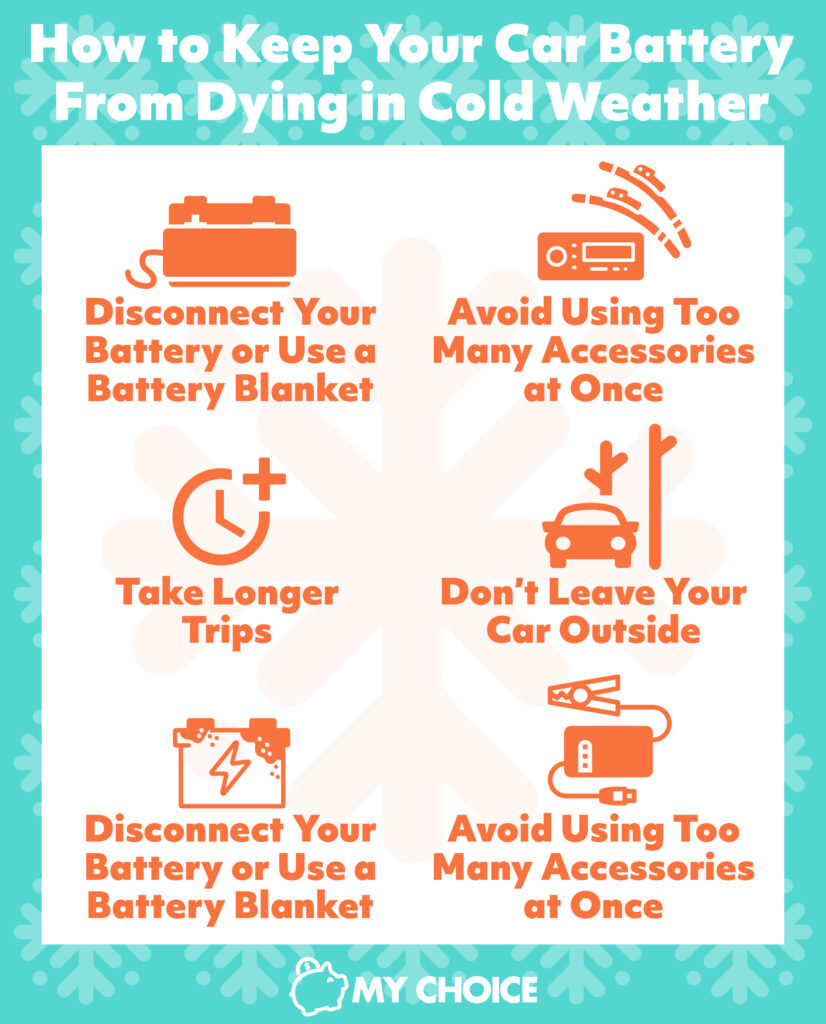
- Get a Battery Test: Have your battery tested regularly, especially before winter.
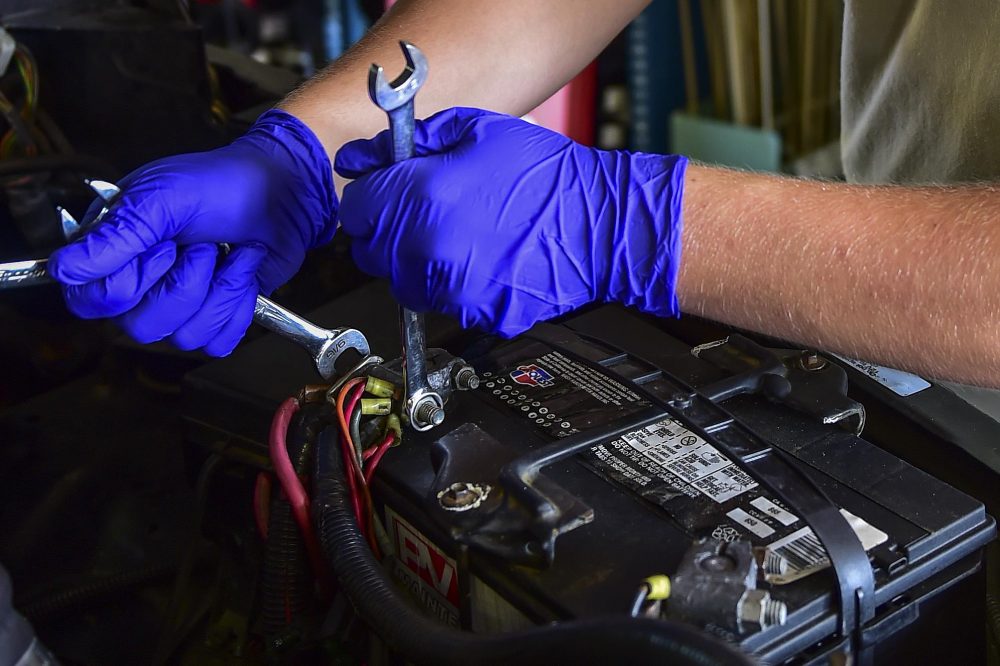
- Keep it Clean: Clean any corrosion from the battery terminals. A mixture of baking soda and water works well.
- Short Trips and Cold Starts: Consider using a battery maintainer if you frequently take short trips, as the battery may not have enough time to fully recharge after each cold start.
- Park Smart: If possible, park your car in a garage or sheltered area to minimize its exposure to extreme cold.
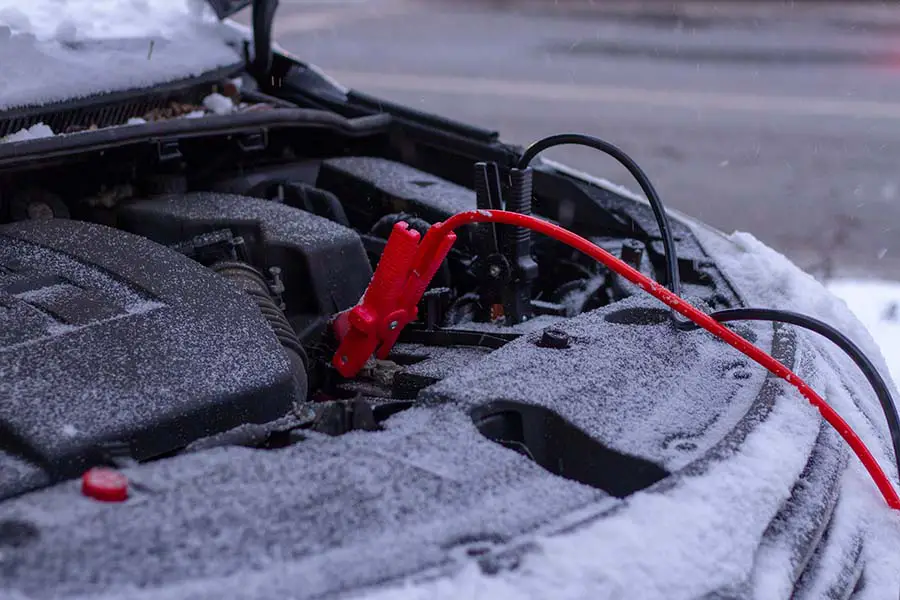
Ultimately, understanding how cold weather impacts your car battery empowers you to take preventative measures and avoid those frustrating mornings of automotive inactivity. It's a small piece of knowledge that can make a big difference, and maybe even save you from needing a jumpstart from a friendly stranger (or an expensive tow truck!). Embrace the knowledge, prepare your car, and enjoy the peace of mind that comes with knowing you're ready for whatever the winter throws your way.