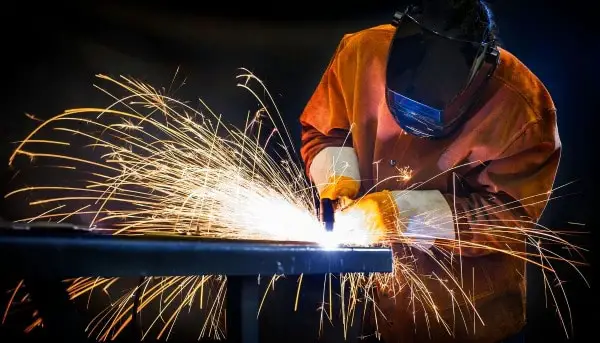
Picture this: you're in your garage, surrounded by metal, sparks are flying, and you're about to create something amazing. You've got your trusty plasma cutter in hand, ready to slice through steel like butter. But then a thought pops into your head: "Hey, can this thing *also* weld?"
The short answer, delivered with a wink and a nudge, is: not really, but let's explore why.
Plasma Cutters: Masters of Destruction (in a Good Way!)
Think of your plasma cutter as a super-precise, metal-melting lightsaber. It shoots out a jet of super-heated plasma, instantly vaporizing any metal in its path.
It's the perfect tool for cutting intricate shapes, slicing thick plates, and generally making metal do your bidding with incredible accuracy. You can cut out cool designs for your garden, repair your car's fender, or even build a metal dragon (if you're feeling ambitious!).
Welding: Joining Forces, Metal-Style
Welding, on the other hand, is all about bringing metal pieces together in a strong, lasting bond. It's like metal glue, but way cooler.
Different types of welding exist, each with their own superpowers: MIG welding (the easy-to-learn workhorse), TIG welding (the precision artist), and stick welding (the rugged adventurer). Each method uses heat to melt the edges of the metal, fusing them together as they cool.
Welding is essential for building bridges, fixing pipes, constructing cars, and generally holding the world together, one bead at a time.
Why Plasma Cutters Can't *Really* Weld
Here's the deal: plasma cutters are designed for separating metal, not joining it. It's like trying to use a chainsaw to build a birdhouse. You might get *some* results, but they probably won't be pretty or structurally sound.
The plasma cutter’s focused, intense heat blasts away material. Whereas welding uses a more controlled and localized heat to melt the metal edges together.
Imagine trying to paint a masterpiece with a fire hose. You might get some color on the canvas, but you're more likely to create a chaotic mess. That's similar to using a plasma cutter for welding: it's just not the right tool for the job.
Could You *Technically* Melt Metal Together with a Plasma Cutter?
Okay, let's get hypothetical for a second. Could you, in theory, use a plasma cutter to melt two pieces of metal together? Maybe, if you were incredibly skilled, patient, and a little bit crazy.
But the result would likely be a weak, porous, and generally ugly weld. Think of it like trying to build a skyscraper out of popsicle sticks and Elmer's glue. It might *look* impressive at first, but it's not going to withstand the slightest breeze.
Plus, you'd probably end up damaging your plasma cutter in the process. These tools are designed for cutting, and pushing them beyond their intended purpose is never a good idea.
So, What Should You Use Instead?
If you want to weld, the best option is to use a dedicated welding machine. It will provide the right amount of heat, control, and precision to create strong, beautiful welds.
Investing in a good welding machine is like getting a chef's knife for your kitchen. It's a specialized tool that will make your life much easier and your results much better.
And trust me, once you start welding, you'll be hooked. It's an incredibly rewarding skill that will open up a whole new world of possibilities.
Choosing the Right Welder for You
If you're new to welding, MIG welding is a great place to start. It's relatively easy to learn, and it's versatile enough for a wide range of projects.
TIG welding is a bit more challenging, but it offers unparalleled precision and control. It's perfect for intricate work and welding delicate materials.
Stick welding is the most rugged and portable option, ideal for outdoor repairs and working with dirty or rusty metal. Each process will serve you well.
Embrace the Power of Each Tool
Instead of trying to make your plasma cutter do something it's not designed for, embrace its strengths. Use it to cut out amazing shapes, create intricate designs, and prepare your metal for welding.
Think of your plasma cutter and welding machine as a dynamic duo. They complement each other perfectly, allowing you to tackle any metalworking project with confidence.
Your plasma cutter will precisely cut metal. Your welding machine will bond those pieces into a solid project.
Safety First, Always!
No matter what metalworking tool you're using, safety should always be your top priority. Always wear appropriate safety gear, including a welding helmet, gloves, and eye protection.
Make sure you're working in a well-ventilated area, and be aware of the potential hazards of working with electricity and high heat. Sparks and molten metal can be dangerous.
Respect the power of these tools, and they will serve you well for years to come.
The Final Verdict
So, can you weld with a plasma cutter? The answer is a resounding "not really." While you might be able to melt metal together in a rudimentary way, the results will likely be weak, ugly, and potentially dangerous.
Instead, invest in a dedicated welding machine and learn the proper techniques. You'll be amazed at what you can create with the right tools and a little bit of practice.
Now go forth, conquer metal, and build something amazing! Remember to wear safety equipment, and have fun.
Beyond the Basics: Metalworking Adventures Await
Metalworking is a journey, not a destination. There's always something new to learn, a new technique to master, or a new project to tackle.
Don't be afraid to experiment, try new things, and push your boundaries. The more you practice, the better you'll become.
So, get out there and start creating! The world needs your metalworking magic.