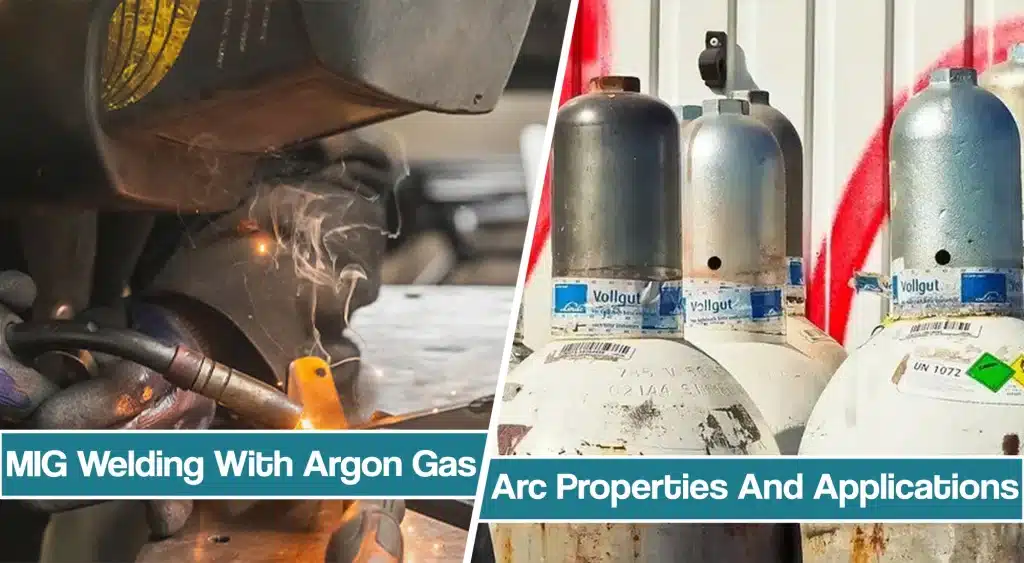
So, you're diving into the world of MIG welding, huh? Awesome! It's like wielding a tiny, controlled lightning storm to fuse metal – pretty epic. Now, you're probably wondering about the gas. The invisible shield protecting your weld from the nasty oxygen in the air. Specifically, can you use argon for MIG welding? Let's unravel this.
The Short & Sweet Answer
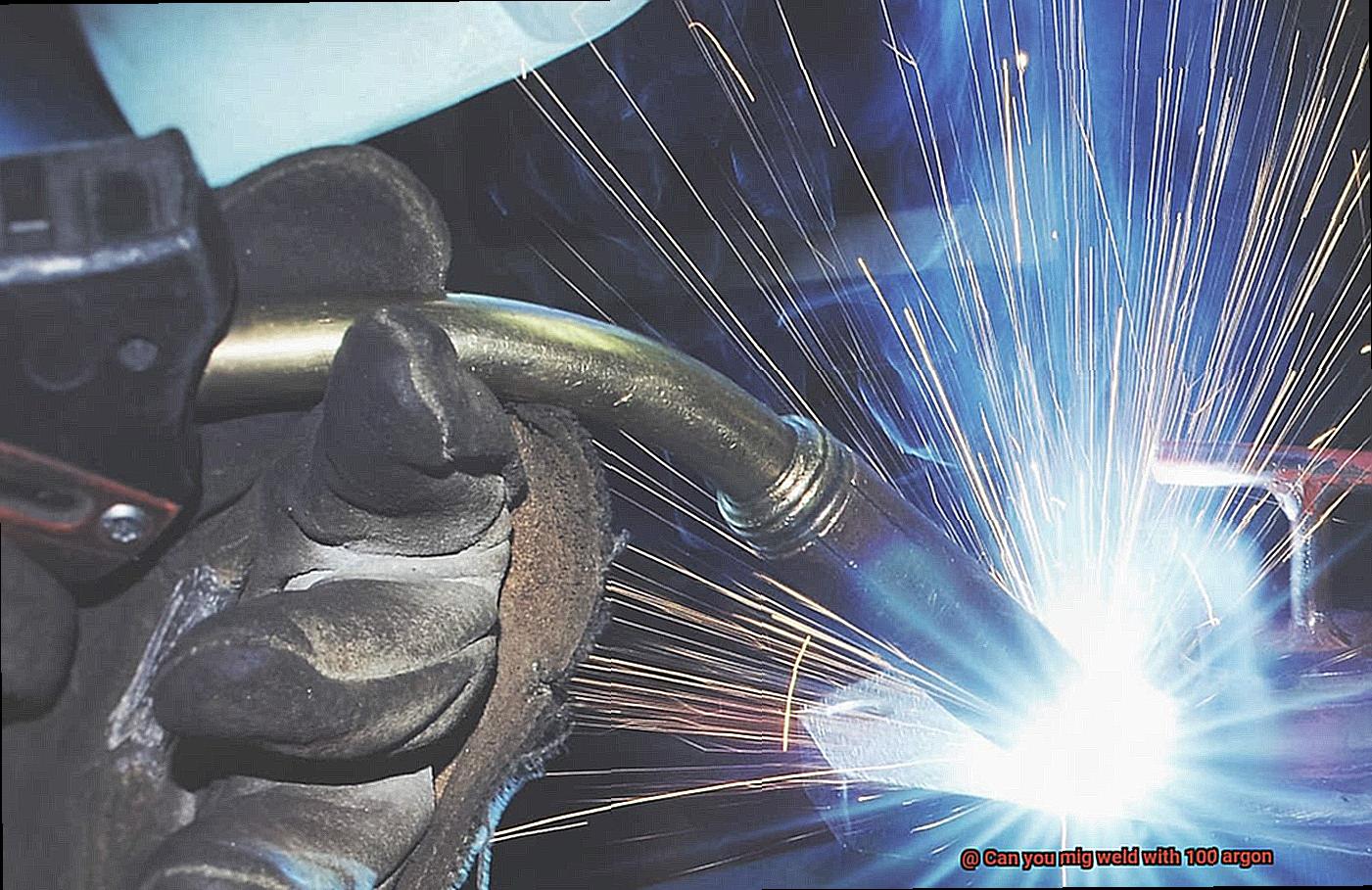
Yes, you can technically use argon for MIG welding. But here's the catch (and there's always a catch, isn't there?). It's not always the best choice. Think of it like this: you can use a wrench to hammer a nail, but a hammer is definitely going to be more effective.
The Gas Game: Argon vs. Argon Mixes
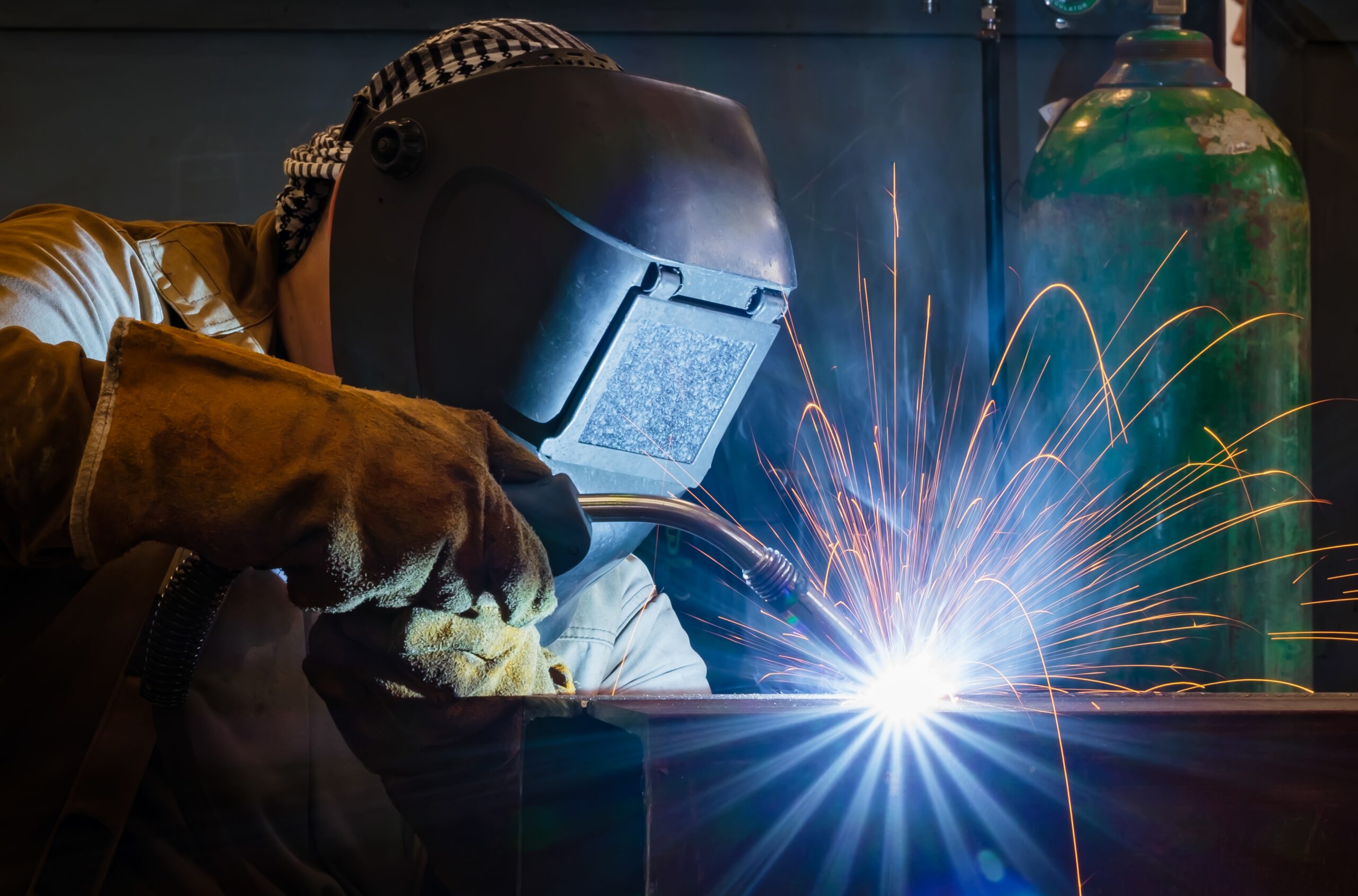
Argon is an inert gas, meaning it's super chill and doesn't like to react with other elements. That's why it's used as a shielding gas – to keep oxygen and nitrogen away from your weld pool, preventing oxidation and porosity (those annoying little holes that weaken your weld).
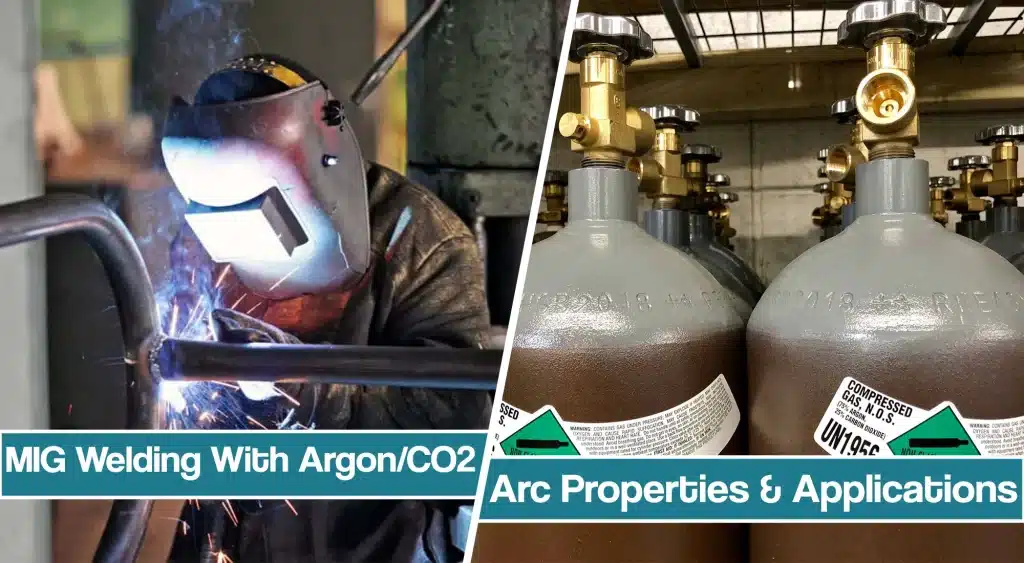
The most common gas for MIG welding, however, is a mix of argon and carbon dioxide (CO2). This blend offers several advantages:
- Better Arc Stability: CO2 helps stabilize the arc, resulting in a smoother, more consistent weld. Think of it as the rhythm section of your welding band, keeping everything in time.
- Deeper Penetration: The addition of CO2 increases the penetration of the weld, meaning it fuses deeper into the metal. This creates a stronger, more robust joint.
- Lower Cost: CO2 is generally cheaper than argon, making an argon/CO2 mix more economical for most applications.
When Argon Might Be Your Go-To
Okay, so when would you opt for pure argon in MIG welding? Here are a few scenarios:
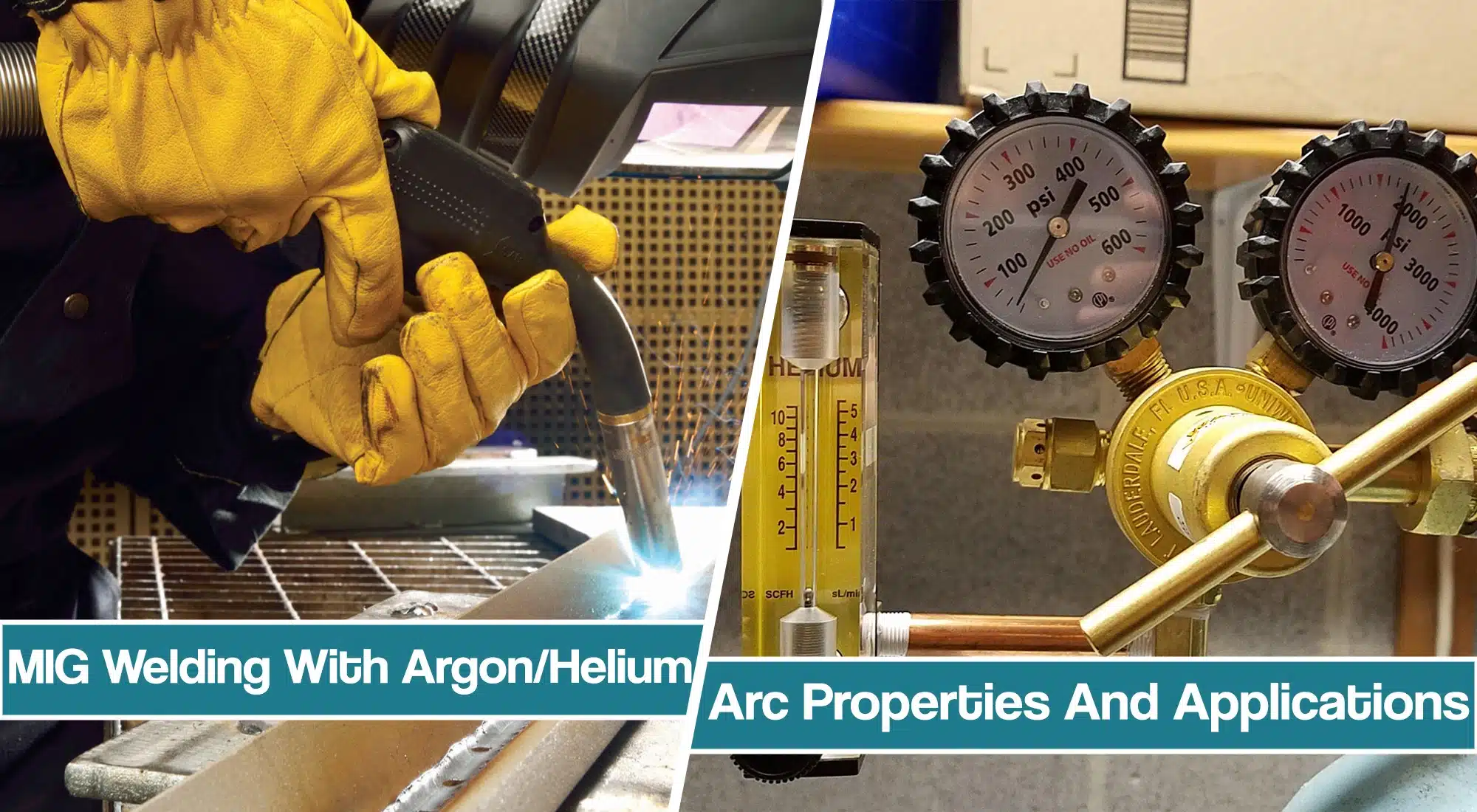
- Welding Non-Ferrous Metals: Argon is excellent for welding aluminum, magnesium, and other non-ferrous metals. These metals are particularly susceptible to oxidation, and argon provides the necessary protection.
- Welding Thin Materials: If you're working with very thin gauge steel, argon can provide a softer arc that's less likely to burn through the material.
- Specific Alloys: Certain alloys may require argon for optimal weld quality. Always check the manufacturer's recommendations for the specific metal you're working with.
Practical Tips & Tricks
Here’s a dose of real-world advice:
- Experiment: The best way to find out what works best for you is to experiment with different gas mixtures. Start with a standard 75% Argon / 25% CO2 mix for steel and adjust from there based on your results.
- Listen to Your Weld: The sound of your weld can tell you a lot about the gas mixture. A smooth, consistent hissing sound usually indicates a good mixture, while popping or sputtering can indicate issues.
- Cleanliness is Key: Make sure your metal is clean and free of rust, paint, or other contaminants before welding. This will help prevent porosity and ensure a strong weld. Think of it as prepping your canvas before painting a masterpiece.
A Little Pop Culture Welding Moment
Ever watched "Iron Man"? Tony Stark's got some serious welding skills! While we don't see the specifics of his shielding gas, you can bet he's using the right mix for building those high-tech suits.
Beyond the Gas: Other Factors to Consider
Remember, the shielding gas is just one piece of the puzzle. Other factors that influence weld quality include:
- Wire Type: Use the correct wire type for the metal you're welding.
- Voltage and Amperage: Adjust the voltage and amperage on your welder to match the thickness of the material.
- Travel Speed: Maintain a consistent travel speed to ensure a uniform weld bead.
Reflection: Making Choices That Matter
Choosing the right gas for MIG welding might seem like a small detail, but it can make a huge difference in the quality and strength of your welds. It's a reminder that in life, just like in welding, the details matter. Making informed choices, experimenting, and paying attention to the results can lead to stronger, more lasting outcomes, whether you're fusing metal or building relationships.