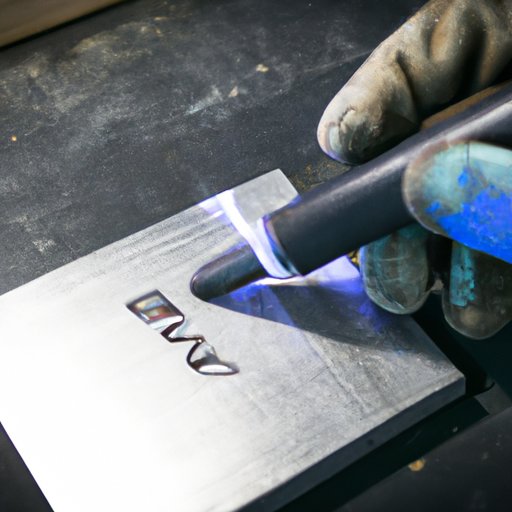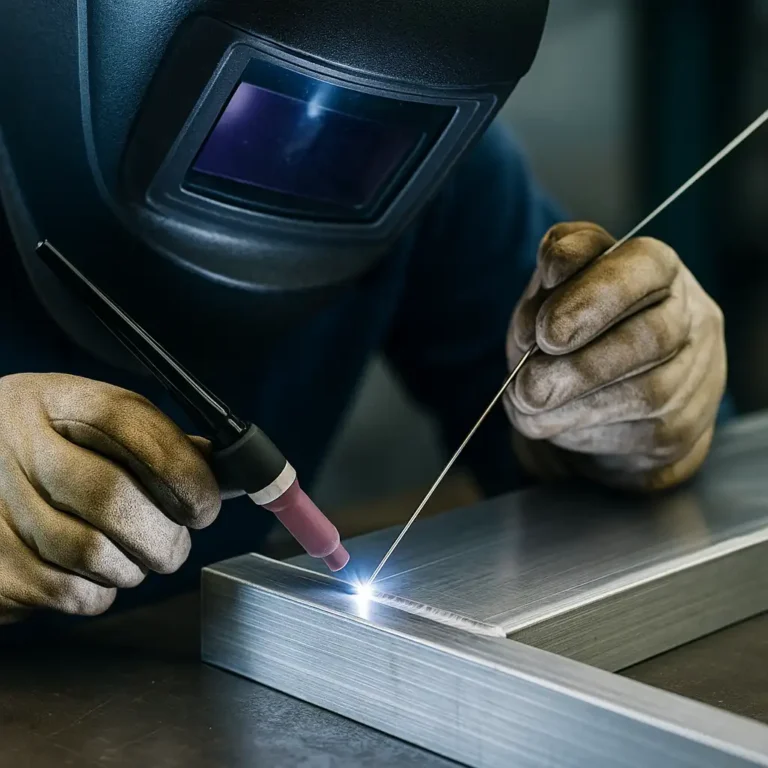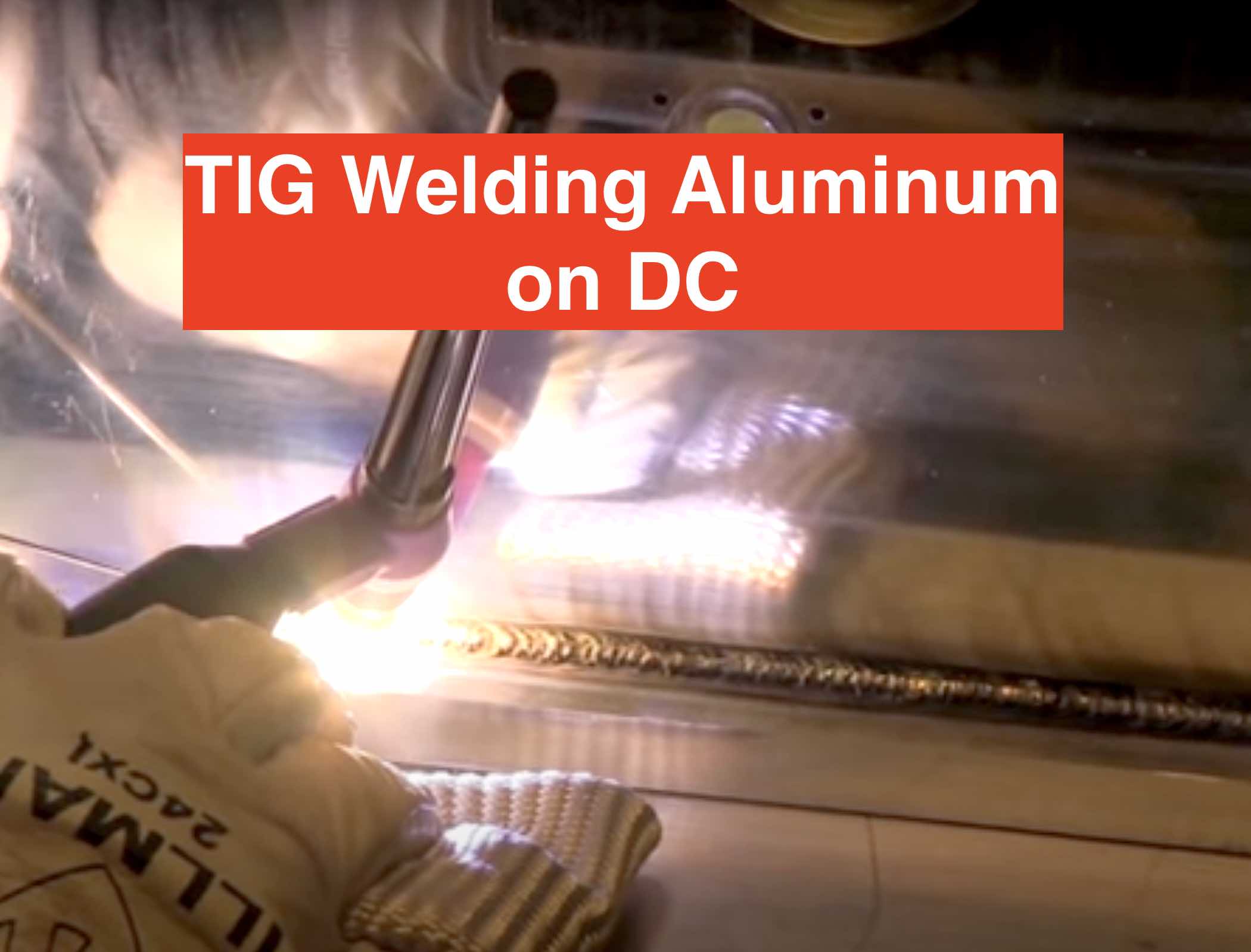
Alright, welding enthusiasts, curious cats, and general knowledge seekers! Let’s dive into a burning (pun intended!) question: Can you Tig weld aluminum with DC? Sounds a bit like asking if you can bake a cake with…motor oil, right? Well, stick around, because the answer is a little more nuanced than a simple 'yes' or 'no'.
First, let's quickly recap what we're even talking about. TIG welding, or Gas Tungsten Arc Welding (GTAW), is like the fine art of welding. It's precise, clean, and allows you a ton of control. DC, or Direct Current, is like a one-way street for electricity. It flows in a single direction. AC, Alternating Current, is like a two-way street, the electricity constantly switches direction.
The Usual Suspect: AC for Aluminum
Generally speaking, everyone uses Alternating Current (AC) for TIG welding aluminum. It's like peanut butter and jelly, like Batman and Robin – a classic pairing! Why? Because of something called oxide cleaning.
Aluminum, bless its lightweight heart, forms a tough, stubborn oxide layer on its surface. This layer has a much higher melting point than the aluminum itself. Think of it like trying to melt an ice cube that's covered in a layer of diamond! AC comes to the rescue.
With AC, the current alternates. During the electrode positive part of the cycle, the oxide layer gets blasted away – it’s like a tiny sandblaster built into your welding arc. Then, during the electrode negative part, the base aluminum melts and fuses. This cleaning action is essential for getting a good, strong weld on aluminum.
So, Where Does DC Come In?
Now, for the twist! Can you *technically* TIG weld aluminum with DC? The short answer is… yes, but... It's like saying you can drive a nail with a screwdriver – you *could*, but it's not ideal, and you’ll probably end up with a mess.
There are a couple of rare and specific situations where you might use DC for aluminum, and those are almost always for specialized applications.
Let's say you're working with extremely thin aluminum – thinner than, say, aluminum foil. In these cases, you might use DCEN (Direct Current Electrode Negative). All that means is the electrode is connected to the negative terminal. This focuses the heat on the workpiece. The downside is the oxide layer isn't cleaned, which could result in a weak or contaminated weld, but because the material is so thin, some weldors might take the risk.
Imagine trying to frost a delicate cupcake. If you blast it with too much power, you’ll ruin it. DCEN on thin aluminum is like using a very fine, controlled stream of frosting.
Why Bother?
You might be asking, "Why even bother trying to weld aluminum with DC?" Good question! The main reason is heat control. DC provides a more focused and stable arc than AC, which can be beneficial in certain very specific cases. Also, some older machines only have DC, and folks might try to make do with what they have.
Think of it this way: AC is like using a broad paintbrush, covering a large area quickly. DC is like using a fine-tipped pen, allowing for greater detail and precision, but at the cost of cleaning the surface.
The Verdict
So, can you TIG weld aluminum with DC? Yes, but it's rarely done and generally not recommended for most applications. AC is still the king when it comes to welding aluminum. It's like trying to cut a lawn with scissors. Sure, you *could* do it, but a lawnmower is going to be much more effective, and efficient.
Stick with AC for your aluminum welding projects. You’ll get cleaner, stronger welds, and avoid a whole lot of frustration. Unless, of course, you're a highly skilled welder working on a very specific, very niche project, in which case, go wild! Just remember to share your results (and maybe a video) with the rest of us.