
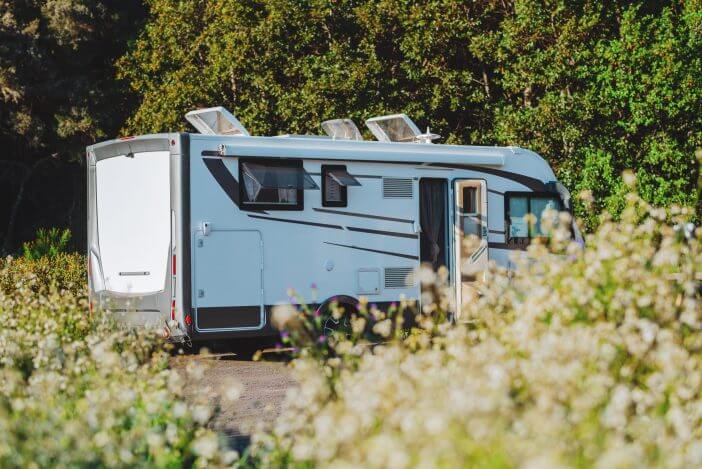
So, you're dreaming of the open road, eh? Trading that mortgage for...well, a different kind of mortgage, but one with *wheels*? We've all been there! But the question is, can you actually buy land and just, you know, park your RV there and call it home? Let's spill the tea.
The Short Answer (Because We're All Busy)
Yep! Generally, you can. But like with most things in life, there's a "but" the size of a small SUV.
Think of it this way: you're not just buying dirt, you're buying into a whole system of rules and regulations. Fun, right?
Zoning Laws: The Party Poopers
Zoning laws are basically the neighborhood's rules. They dictate what you can build, what you can't, and sometimes even what color you can paint your mailbox. Seriously! (Okay, maybe not the mailbox thing everywhere, but you get the idea.)
Some areas are super chill about RV living. Others? Not so much. They might have restrictions on:
- Minimum dwelling size: Your RV might not meet it. Oops!
- Permanent structures: They might require a "real" house eventually.
- Sewer and water hookups: Are they even available?
- How long you can stay: Some zones only allow temporary RV stays.
Always, always, ALWAYS check the local zoning laws before you buy. I'm serious. Don't skip this step unless you enjoy unexpected eviction notices.
HOA: The Other Party Poopers (Potentially)
Homeowner Associations (HOAs) are like mini-governments for neighborhoods. They have their own rules, and they love enforcing them.
Some HOAs are totally cool with RVs. Others... well, let's just say they prefer perfectly manicured lawns and matching window treatments. If you're buying land in an HOA, read the fine print!
Are they okay with full-time RV living? Do they have size restrictions for RVs? Will they judge your inflatable flamingo lawn ornament? These are the important questions, people!
Utilities: Where Does the Juice Come From?
Even if you find land that allows RV living, you need to think about utilities. Can you get water? Electricity? Sewer?
Pro tip: Off-grid living is an option, but it requires a serious investment in solar panels, water tanks, and a composting toilet. Are you ready to become a self-sufficient eco-warrior? (No pressure!)
Finding the Perfect Spot: It's Like Dating
Finding land that allows RV living is like dating: you have to kiss a few frogs before you find your prince(ss). Or, in this case, you have to research a bunch of properties before you find one that ticks all the boxes.
Consider these options:
- RV-friendly communities: These are specifically designed for RV living. Think of them as RV resorts with land ownership.
- Rural land: Often more lenient with zoning laws, but might lack utilities.
- Land in less-developed areas: Might be more affordable and less restrictive.
The Bottom Line: Do Your Homework!
Buying land and living in an RV is totally doable. It's a fantastic way to embrace a simpler, more mobile lifestyle. But it requires research, planning, and a healthy dose of patience.
Talk to local authorities. Read the zoning laws. Visit the property in person. Don't be afraid to ask questions! Seriously, bombard them with questions.
So, go forth and find your perfect piece of RV paradise! Just remember to check those zoning laws. And maybe invest in a really good leveling system. Because nobody likes a tilted RV, right?
Happy trails, friend!


