So, you're thinking about supersizing your car's battery? You're not alone. It's like eyeing that king-size candy bar instead of the fun-size. More is always better, right? Especially when it comes to powering your beloved metal steed.
Let's dive in. Can you *really* slap a bigger battery in there? Technically, maybe. But should you? Ah, there's the rub. It's not quite as simple as upgrading your phone's storage.
The Battery Box Blues
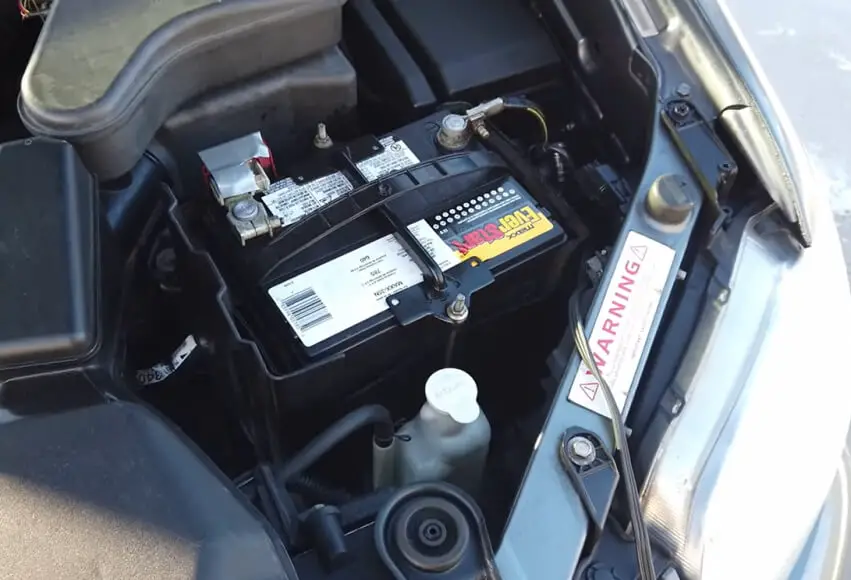
First, the obvious. Will it even *fit*? Car manufacturers aren't exactly known for their generous battery box dimensions. They cram everything in there tight as a drum. Imagine trying to shove a Thanksgiving turkey into a lunchbox. That's often what you're facing. If it doesn’t fit, you must acquit. (Yourself of the battery purchase, that is.)
Okay, let's say, by some miracle, you find a slightly larger battery that *does* squeeze in. Huzzah! Victory? Not so fast, my friend. This is where things get a little… electrical.
Amps, Cranking, and Other Scary Words
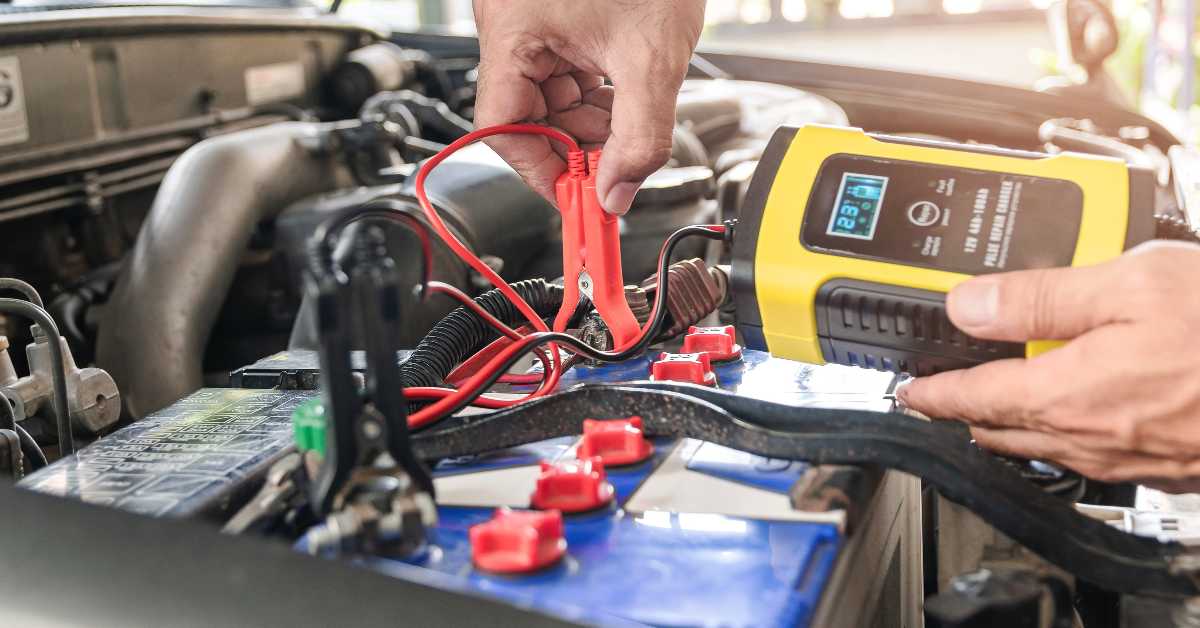
See, batteries aren't just blocks of power. They have specific ratings. We're talking amps, cold cranking amps (CCA), reserve capacity… It’s like trying to decipher a foreign language. Think of CCA as how much oomph the battery can deliver to start your car on a frosty morning. A bigger battery *usually* means more CCA. Sounds good, right?
Well, it *can* be. Your starter motor needs a certain amount of juice. Too little, and your car won't start. But here's my somewhat unpopular opinion: Most of us probably worry *too* much about CCA. Unless you're routinely starting your car in the Arctic, you probably don't need to go overboard. A slightly higher CCA rating is fine. A ludicrously high rating? Maybe overkill.
Important note: Make sure the voltage is the same! Almost all cars use 12-volt batteries. Don't go trying to hook up something different. That's a recipe for electrical disaster. We’re talking sparks, fried wires, the whole shebang. And nobody wants that.
The Charging Conundrum
Here's another potential snag. Your car's alternator is designed to charge a battery of a certain size and type. Put in a battery that's significantly larger, and your alternator might struggle to keep it fully charged. You might end up with a perpetually undercharged battery. That defeats the whole purpose, doesn't it?
It's like trying to fill a swimming pool with a garden hose. You *might* eventually get there, but it's going to take forever. And in the meantime, the pool (your battery) isn't really ready for swimming (powering your car's electrical system).
My Unpopular Opinion: Leave It Alone (Mostly)
Okay, here comes the controversial part. In most cases, I think sticking with the manufacturer's recommended battery size is the best bet. Unless you have a specific reason to upgrade (like adding a massive sound system or living in Siberia), it's probably not worth the hassle.
Think about it. The engineers who designed your car aren't dummies (usually). They chose a battery that's appropriate for the vehicle's electrical needs. It’s like they are the expert. Trying to outsmart them with a bigger battery is like… well, like trying to outsmart an engineer. Good luck with that.
That said, if you *are* replacing your battery, consider getting one with slightly higher CCA or reserve capacity. It’s a good insurance. Especially if you live somewhere with cold winters or like to leave your headlights on by accident (we’ve all been there).
But remember, bigger isn't always better. Sometimes, it's just… bigger. And more expensive. And potentially problematic. So, before you go supersizing your car's power source, do your research. Talk to a mechanic. And maybe, just maybe, stick with the fun-size candy bar this time.
In the end, the choice is yours. Just don’t blame me when your car starts acting up. I’m just a humble writer, dispensing my wisdom (or maybe just my opinions) on the internet.
And whatever you do, don't try to install a truck battery in your hatchback. That’s just asking for trouble.