Ever found yourself staring out the window at a torrential downpour, pondering whether your trusty generator can brave the storm to keep the lights on? It's a question that pops up more often than you think, especially when the power grid decides to take an unscheduled vacation during, say, a particularly dramatic movie night or a crucial work-from-home day. Understanding the answer to "Can a generator be run in the rain?" isn't just about satisfying curiosity; it's about safety and preparedness.
So, what exactly is a generator, and why should we care? Simply put, a generator is a device that converts mechanical energy into electrical energy. Think of it as a mini power plant for your home, campsite, or construction site. The benefits are numerous: providing backup power during outages, offering electricity in locations without grid access, and even powering tools and equipment when needed. Generators offer independence and reliability when you need it most.
In daily life, generators are incredibly versatile. Construction workers rely on them to power their tools at remote job sites. Campers use them to run lights, charge devices, and even power small appliances in their RVs. For educators, generators can be crucial during power outages, allowing schools to maintain essential services like communication and emergency lighting. Even at home, a generator can keep your refrigerator running, prevent frozen pipes in winter, and allow you to stay connected to the world when the power goes out. They are essential for many people and activities.
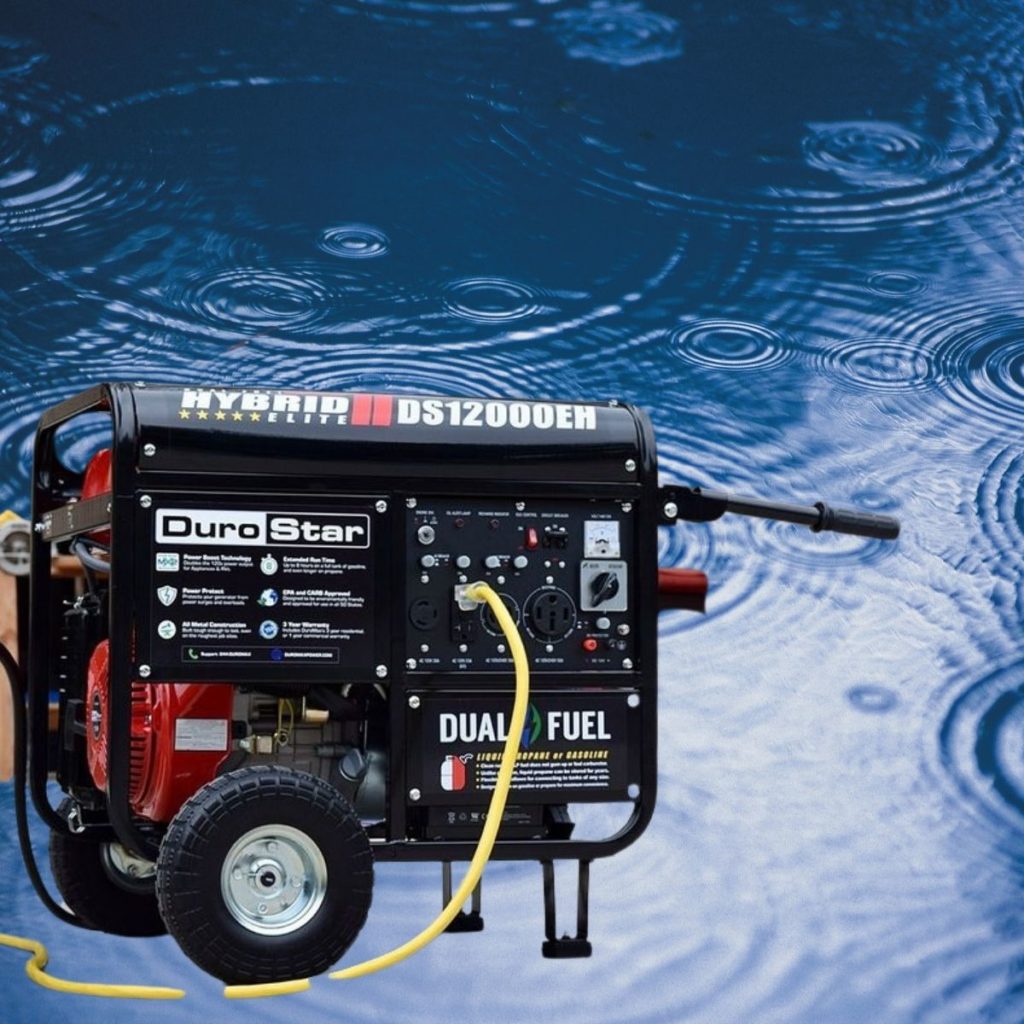
Now, the million-dollar question: Can you actually run a generator in the rain? The short answer is generally no, at least not without taking serious precautions. Water and electricity are a dangerous combination. Generators, especially those designed for outdoor use, often have some weather protection, but they're not designed to be submerged or directly exposed to heavy rain. The risk of electrical shock is very real, and water can also damage the generator itself, leading to corrosion and malfunctions.
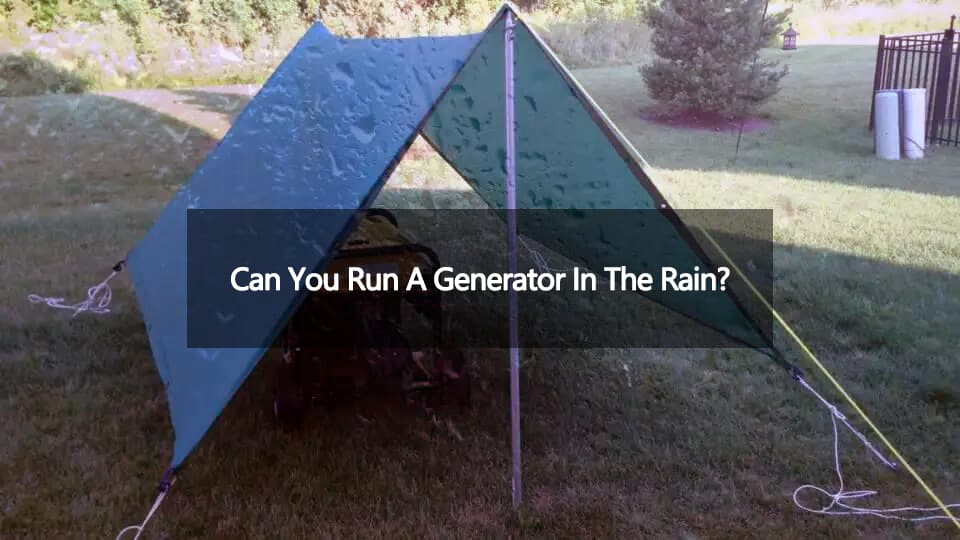
However, there are ways to mitigate the risks. The best and safest method is to operate the generator under a covered, well-ventilated area like a shed, carport, or even a specially designed generator enclosure. Never operate a generator indoors or in an enclosed space like a garage, as this can lead to carbon monoxide poisoning, which is lethal. If a permanent structure isn't available, consider using a generator tent or canopy that's specifically designed to protect the generator from the elements. These covers provide protection from rain while allowing for proper ventilation.
Here are a few practical tips to explore this topic further and use a generator safely: Always read the manufacturer's instructions carefully. Invest in a carbon monoxide detector, especially if you plan to use a generator near your home. Before using the generator, inspect it for any signs of damage, like frayed wires or cracks in the casing. When operating the generator, keep it dry and away from standing water. Educate yourself and your family about the dangers of carbon monoxide poisoning and electrical shock. Learning about generator safety is a vital step to preparedness.
Ultimately, running a generator in the rain requires careful planning and adherence to safety guidelines. It's a situation where a little knowledge and precaution can make all the difference between staying safe and facing a potentially dangerous situation. So, next time the skies open up, take a moment to consider your options and prioritize safety first.