So, you're cruising along, feeling like the king or queen of the road, and then... BAM! You pull up to a stop sign, and your car starts acting like it's auditioning for a low-budget horror movie. It's shaking, rattling, and generally sounding like it's about to cough up a lug nut. Rough idle, the mechanic calls it. And your first thought? Probably something dramatic and expensive, like a fuel injector clogged with the remnants of that questionable gas station burger you had last week.
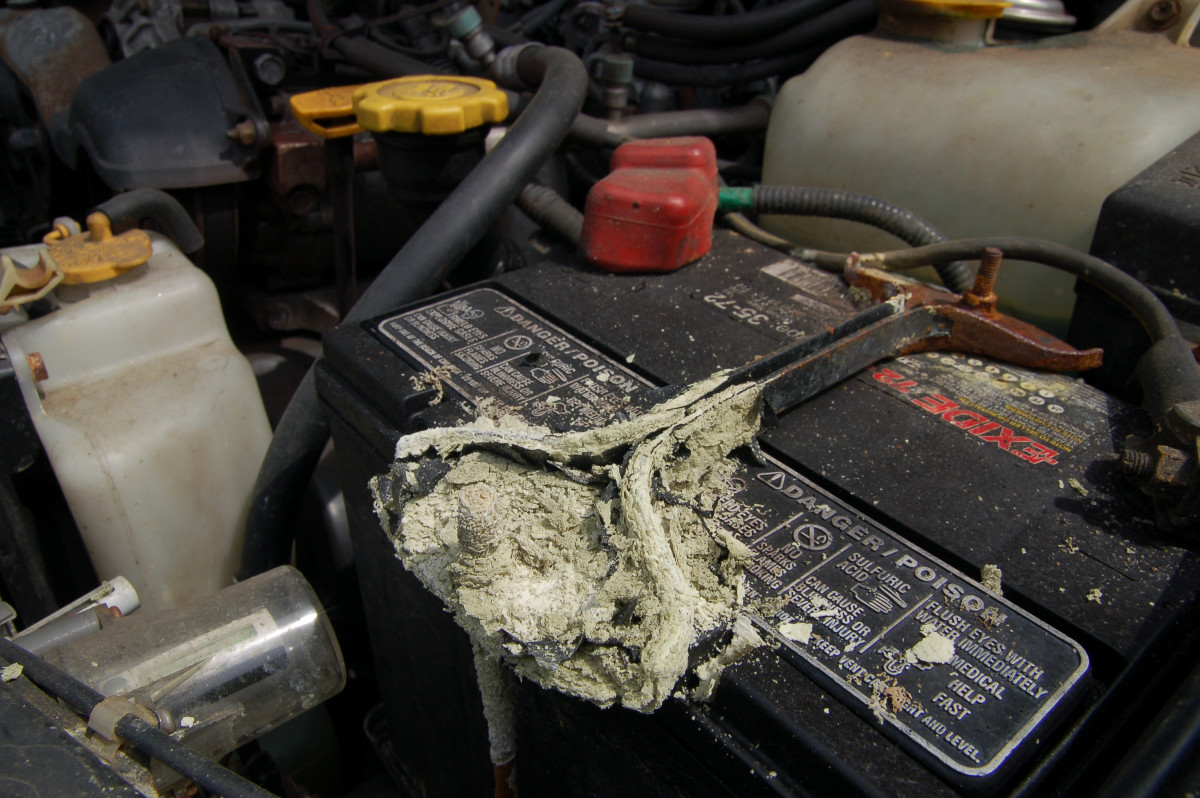
But what if I told you the culprit could be something as simple – and often overlooked – as your car battery? Yes, that humble, rectangular box of electricity might be behind your engine's dramatic performance.
The Unsung Hero of Smooth Sailing
We often think of the battery as just the thing that gets us started in the morning. It's the "Get Out of Bed!" button for our cars. But it does so much more! It's the silent partner, the reliable sidekick, ensuring everything runs smoothly even when the engine is purring at idle. Think of it like the stage manager in a play, quietly making sure the lights stay on and the props are in place.
A healthy battery provides a consistent and stable voltage. This is crucial for all the electrical components working together to keep your engine running smoothly, especially when idling. A weak or dying battery can cause voltage fluctuations, sending mixed signals to your car's computer (the Engine Control Unit or ECU). It’s like trying to have a serious conversation with someone who keeps getting interrupted by static on their phone – things are bound to go haywire.
These voltage hiccups can affect everything from the fuel injectors (those things that spray fuel into the engine) to the spark plugs (those little guys that ignite the fuel). If they're not getting the right amount of juice, they won't perform properly, leading to that dreaded rough idle.
From Zero to Hero: A Battery's Redemption
Imagine a scenario: You're convinced your car needs a major overhaul. You're mentally preparing to sell your stamp collection to pay for the repairs. You take it to your trusted mechanic, Good Ol' Sally, who, after a thorough inspection, declares, "Honey, your battery's flatter than a pancake after a steamroller convention!"
Sally replaces the battery, and suddenly, your car is purring like a kitten again. The rough idle is gone! You feel a mixture of relief and mild embarrassment. You were ready to diagnose the apocalypse, and all it needed was a new power source.
It's a humbling experience, a reminder that sometimes the simplest solutions are the best. And it’s a testament to the often-underappreciated role of the car battery. It's not just for starting; it's for *sustaining*.
Beyond the Battery: Other Culprits
Now, before you go blaming your battery for every hiccup and sputter, it's important to remember that a rough idle can have other causes. Things like faulty spark plugs, vacuum leaks, or a dirty air filter can also contribute to the problem. Think of it as a team effort gone wrong. The battery might be the weakest link, but the other components could be pulling their weight either.
"Always rule out the easy fixes first," advises Bob the Gearhead, a renowned (at least in his own garage) mechanic. "Check the battery, check the spark plugs, check the air filter. You might be surprised at how often a simple solution solves a seemingly complex problem."
So, next time your car starts doing the shake-and-bake at a stop light, don't immediately panic. Take a deep breath, remember this article, and consider the humble car battery. It might just be the unsung hero waiting to save the day (and your wallet).
And hey, even if it's not the battery, at least you'll have a good story to tell while you're waiting for the tow truck.