Ever wondered about the sheer power packed into that unassuming little flame on your gas stove? We're talking about natural gas! It’s used for cooking, heating, and even powering some of our electricity. But have you ever stopped to think about what *really* happens when you light it up?
Let's get down to brass tacks: Burning one cubic foot of natural gas will produce approximately 1,000 British Thermal Units (BTUs). Wow! I know, "BTU" sounds like something out of a sci-fi movie, but trust me, it's just a unit of measurement. It measures the amount of heat needed to raise the temperature of one pound of water by one degree Fahrenheit. See? Not so scary!
So, what does 1,000 BTUs actually mean? Think about it this way: that little bit of gas can heat up a decent amount of water. Enough for a nice cup of tea, perhaps? Or to warm up a small room on a chilly evening? It's like having a tiny, invisible powerhouse right in your home.
The Magic of Methane
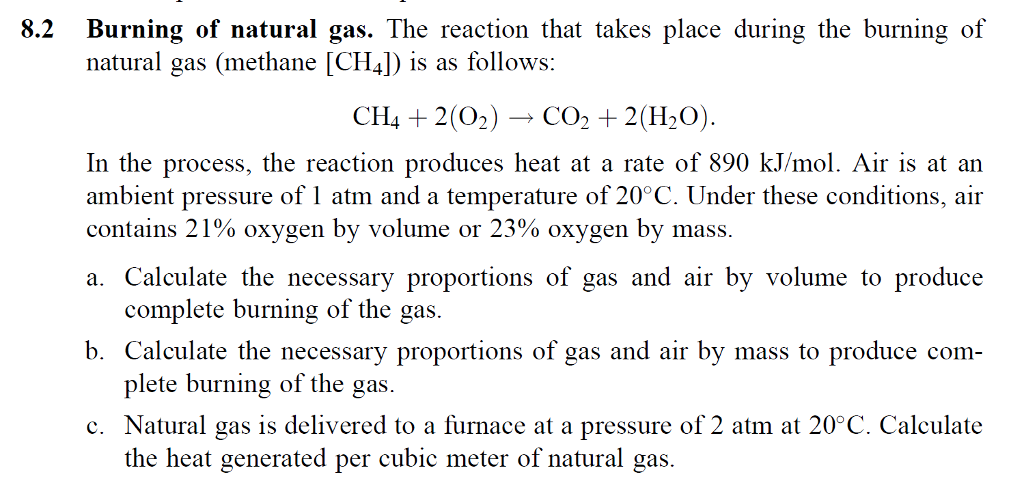
Natural gas is primarily made of methane (CH4). Methane gets all the credit for the magic behind the curtain, but what’s really going on? When you light that match, you're kicking off a chemical reaction. Methane combines with oxygen in the air, and *poof*, you get heat, light, carbon dioxide, and water. It’s like a tiny explosion, but a controlled and useful one!
This reaction is incredibly efficient. That's why natural gas is such a popular energy source. It releases a lot of energy for a relatively small amount of fuel.
Consider this simple equation:
CH4 + 2O2 → CO2 + 2H2O + Heat
It just means that methane plus oxygen results in carbon dioxide, water and *HEAT*!
Now, let's put those 1,000 BTUs in perspective. Imagine you want to boil a pot of water for pasta. A standard pot of water might need around 500 BTUs to reach a rolling boil. So, theoretically, half a cubic foot of natural gas could get you there. Pretty neat, huh?
Beyond the BTU: A Spark of Curiosity
The number 1,000 BTUs is a useful benchmark, but it's not the whole story. Several things can affect the actual amount of heat produced. The purity of the natural gas is one factor. The efficiency of your appliance also plays a role. A poorly maintained furnace, for example, won't extract as much heat from the gas as a well-tuned one.
Think of it like baking a cake. You might have the perfect recipe, but if your oven isn't working properly, the cake might not turn out quite right. Similarly, the actual heat output from burning natural gas can vary depending on the circumstances.
But honestly, who cares about the nitty-gritty details? The point is, energy! It's like a tiny, contained sun in our appliances. We have 1,000 BTUs in every cubic foot of natural gas. How cool is that?!
Why This Matters (A Little)
Understanding the energy content of natural gas can help you make more informed decisions about energy use. It can help you conserve energy, reduce your carbon footprint, and save money on your utility bills.
For example, knowing that a cubic foot of natural gas packs a serious punch might encourage you to be more mindful of how long you leave the stove on or how high you crank up the thermostat. Even small changes in your energy habits can make a big difference over time.
But, let's face it, the real appeal of knowing about those 1,000 BTUs is the sheer fascination of it all. It's a glimpse into the hidden world of energy and the incredible power that we often take for granted. So, next time you light your gas stove, take a moment to appreciate the tiny, explosive magic happening right before your eyes.
And who knows? Maybe this little bit of knowledge will spark your own curiosity and lead you down a rabbit hole of scientific exploration. The world is full of amazing things waiting to be discovered! Go out there and check it out!