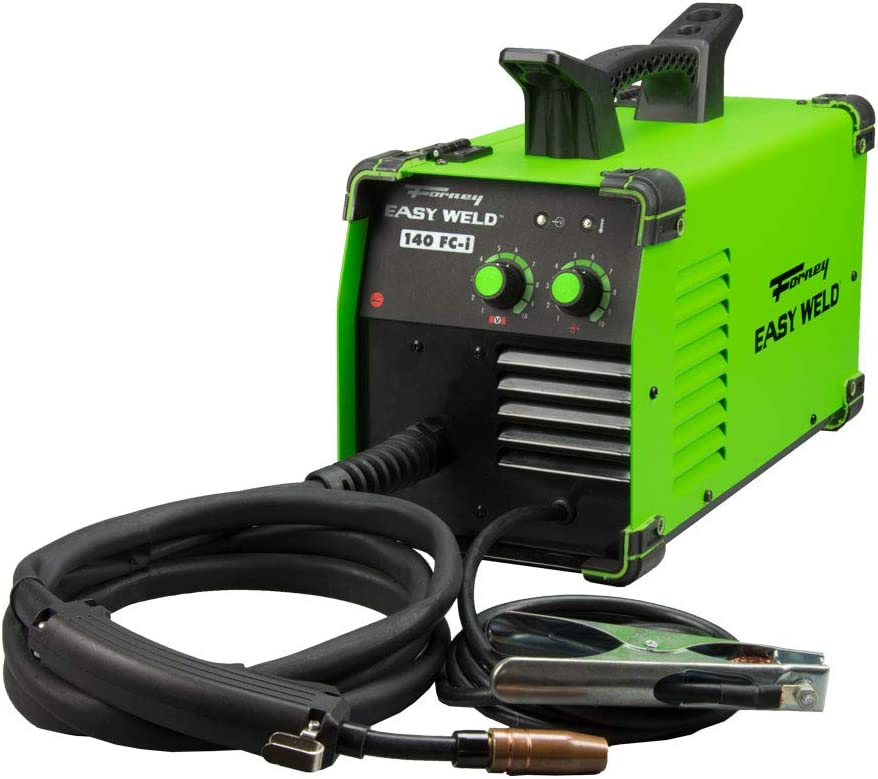
Alright, settle in, settle in! Grab your coffee (or, you know, something stronger, no judgement here). We're about to dive headfirst into the surprisingly thrilling world of welding machines. Yes, welding. I know, it sounds like something your grandpa did in a dusty garage, but trust me, this is where the real DIY magic happens.
Now, before you picture yourself forging Excalibur in your backyard (tempting, I know), let's talk about the best welding machine for *home* use. We're not talking industrial-strength, could-weld-a-battleship kinda machines here. We're talking about something that won't blow a fuse every time you try to fix your patio furniture. Or accidentally create a new, sentient robot.
The Contenders: A Welding Machine Rumble!
So, what are your options? Well, buckle up, buttercup, because we've got a few contenders ready to enter the ring. Think of it like a welding machine version of the Avengers, but with less spandex and more sparks. (Although, I wouldn't rule out spandex completely. You do you.)
First up, we have the **MIG (Metal Inert Gas) welder**. This is generally considered the friendliest of the bunch for beginners. It's like the Golden Retriever of welding machines – relatively easy to train and always eager to please. MIG welders use a wire feed to continuously supply the welding material, which means less stopping and starting. Think of it as drawing with hot metal glue. Fun, right?
Pros: Relatively easy to learn, good for welding thinner metals, and relatively clean welds. Cons: Can be a bit more expensive than other types, and not ideal for outdoor welding (wind can mess with the gas shielding).
Next in the line-up is the **TIG (Tungsten Inert Gas) welder**. TIG welding is like the sophisticated, art-school kid of the welding world. It's known for producing incredibly clean and precise welds, but it also requires a bit more skill and patience. It's like trying to paint the Mona Lisa with a laser beam – challenging, but oh-so-rewarding when you get it right.
Pros: Produces the cleanest welds, ideal for welding aluminum and other non-ferrous metals. Cons: Steeper learning curve, slower welding speed, and more expensive.
Then, we have the **Stick welder (SMAW or Shielded Metal Arc Welding)**. This is the OG of welding machines. It's like the old, reliable pickup truck of the welding world – rugged, dependable, and gets the job done. Stick welders use consumable electrodes (the "sticks") to create the weld. It's a bit messier than MIG or TIG, but it's also incredibly versatile and can be used in almost any environment.
Pros: Affordable, can be used in windy conditions (unlike MIG), good for thicker metals and rusty or dirty surfaces. Cons: Steeper learning curve than MIG, produces more slag (the protective coating on the weld), and requires more cleanup.
So, Which One's the Winner? (Spoiler Alert: It Depends)
Alright, so who takes home the gold medal? Well, that depends entirely on what you plan to weld. If you're primarily fixing car panels and building lightweight projects, a **MIG welder** is probably your best bet. It's the easiest to learn and the most versatile for general home use.
If you're aiming for artistic masterpieces, welding aluminum, or just want the absolute cleanest welds possible, a **TIG welder** might be worth the investment (and the practice). Just be prepared to put in the time to master the technique. Think of it as a marathon, not a sprint.
And if you need a rugged, reliable machine that can handle anything you throw at it (or weld onto it), a **Stick welder** is a solid choice. It's not the prettiest, but it's tough and dependable. Plus, it's a great way to channel your inner blacksmith.
Essential Accessories: The Sidekicks You Need
No matter which welding machine you choose, you'll need a few essential accessories to get started. Think of them as the Robin to your Batman, the Chewbacca to your Han Solo – you can't do it without them!
- Welding Helmet: This is non-negotiable. Protecting your eyes is crucial. Think of it as your personal force field against molten metal shrapnel. Get one with auto-darkening features – your eyes will thank you.
- Welding Gloves: Hot metal is, well, hot. Protect your hands with a good pair of welding gloves. Leather is your friend.
- Welding Jacket or Apron: Sparks fly! Protect your clothes (and your skin) with a welding jacket or apron.
- Welding Cart: Because lugging a welding machine around is a pain. Plus, it looks cool.
- Various clamps and pliers: For holding things in place while you weld. Because trying to hold hot metal with your bare hands is generally frowned upon.
Final Thoughts: Go Forth and Weld!
So, there you have it! A crash course in the wonderful world of welding machines. Remember, safety first! And don't be afraid to experiment and make mistakes. Even the best welders started somewhere (probably by accidentally welding their shoes to the floor). Now go forth, grab your welding machine, and create something amazing! Or, at the very least, fix that wobbly chair.
Just try not to burn the house down. I'm serious. Don't say I didn't warn you!