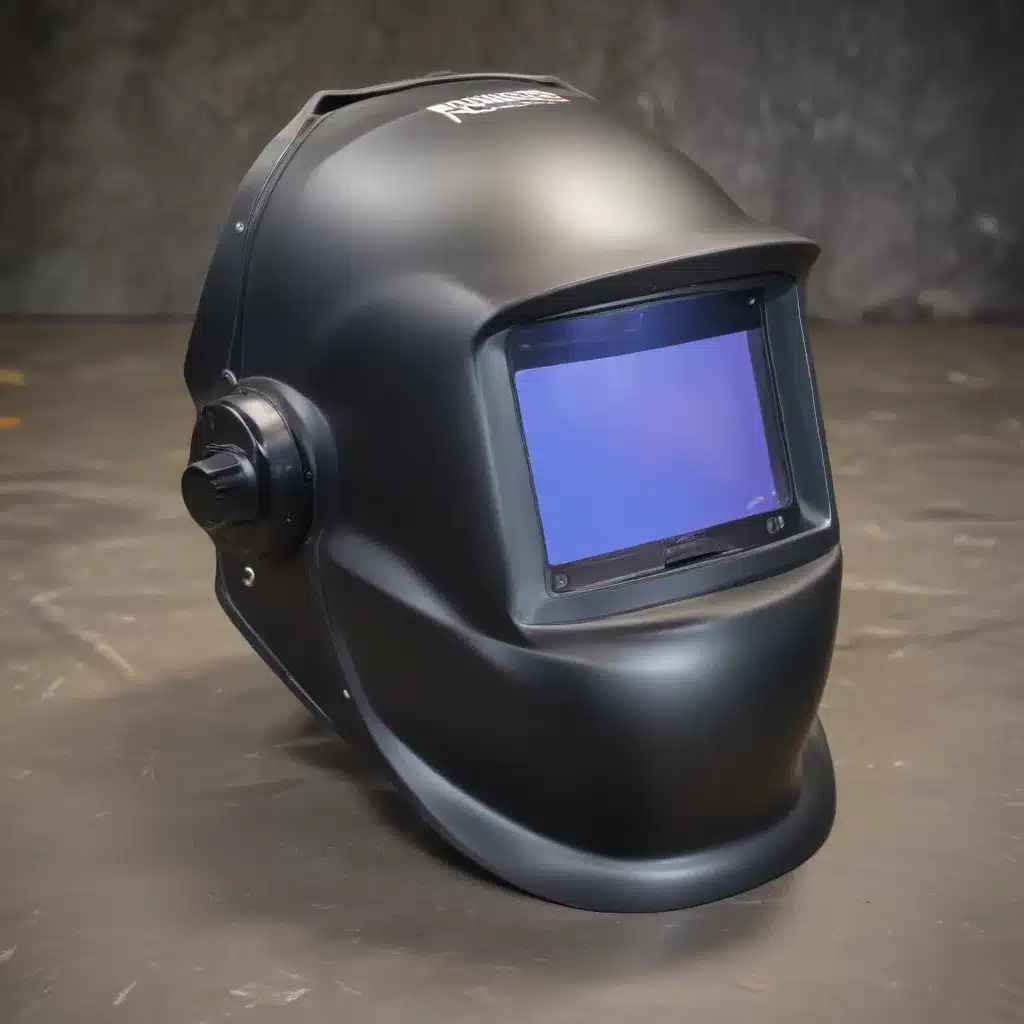
So, you're thinking about picking up welding? Awesome! It's like wielding a tiny controlled lightning bolt to create awesome things. Think of it as adult LEGOs, but with fire and metal. However, before you jump in and start crafting that amazing metal sculpture you've been dreaming of, there's one crucial piece of equipment you absolutely *must* have: a good welding helmet.
And not just *any* helmet. We're talking about the best welding helmet for beginners. Why? Because your eyes are precious! Imagine staring directly at the sun. Now imagine doing that repeatedly while sparks are flying and molten metal is dripping. Yeah, not a good time. A proper helmet is your eyes' bodyguard, shielding them from the intense light and flying debris that come with the territory.
Why Should You Care About Your Welding Helmet?
Think of it like this: You wouldn't drive a car without a seatbelt, right? Same deal here. A good helmet protects your eyes from something called "arc eye," which is basically a sunburn on your cornea. Trust me, it's as unpleasant as it sounds. It feels like having sand in your eyes, amplified by a thousand. So, prevention is definitely better than cure in this case.
Beyond eye protection, a good helmet also shields your face and neck from sparks and burns. Nobody wants to sport a permanent "welding tan" – patchy skin from repeated exposure. We're aiming for safety *and* style, right?
But here's the thing: choosing the right helmet can feel overwhelming. There are so many options out there, with different features and price points. Where do you even start?
What Makes a Great Beginner Welding Helmet?
Don't worry, we've got your back. Here are a few key features to look for when choosing your first welding helmet:
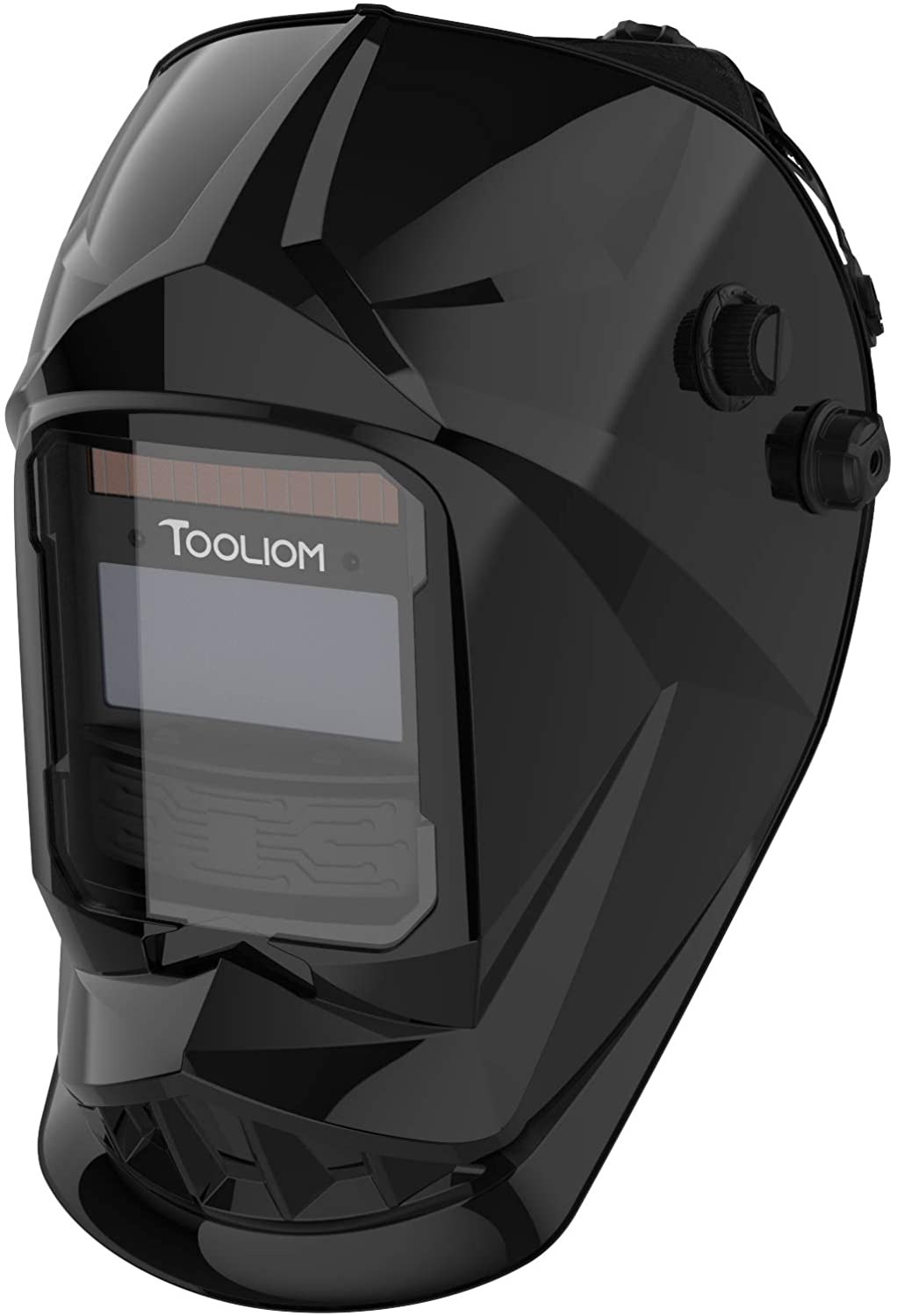
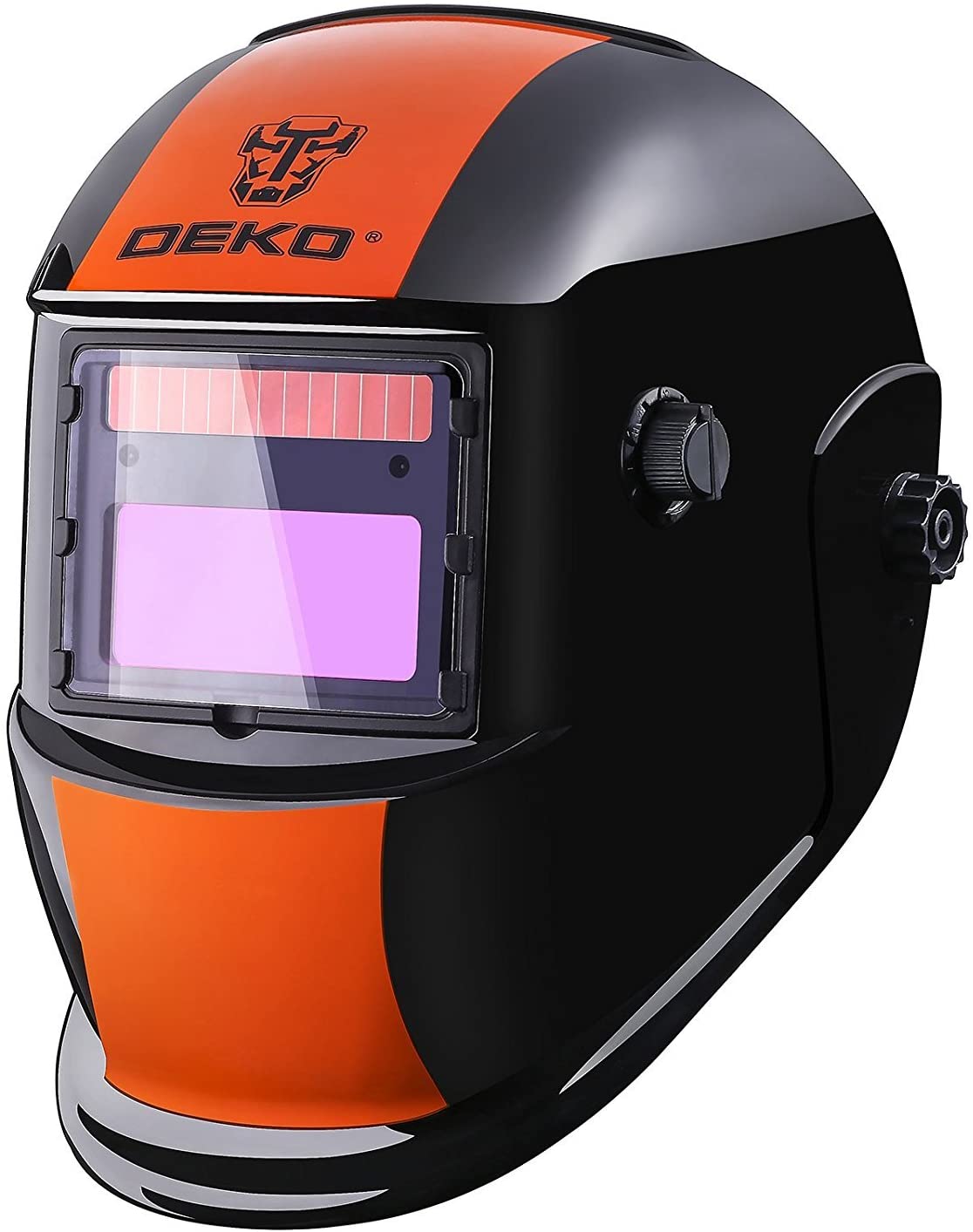
- Auto-Darkening Lens: This is a game-changer. Instead of having to manually flip your helmet up and down, an auto-darkening lens automatically darkens when it detects the arc. It's like sunglasses for your eyes, but super-powered. This allows you to keep both hands free, making welding *so* much easier and safer. Seriously, this is a must-have.
- Adjustable Shade Control: Different welding processes require different levels of shade to protect your eyes. An adjustable shade control allows you to fine-tune the darkness of the lens to match the welding process you're using. Think of it like adjusting the brightness on your phone screen – you want it just right.
- Comfortable Headgear: You'll be wearing this thing for potentially hours at a time, so comfort is key. Look for a helmet with adjustable headgear that fits snugly and doesn't pinch or squeeze. A well-fitting helmet also helps prevent "helmet wobble," which can be distracting and even dangerous. Imagine trying to focus on welding while your helmet is doing the cha-cha. No fun!
- Reaction Time: This refers to how quickly the lens darkens when the arc is struck. A faster reaction time is better, as it minimizes the risk of arc eye. Aim for a reaction time of 1/25,000 of a second or faster. It's so fast, you won't even notice it happening.
- Viewing Area: A larger viewing area gives you a wider field of vision, which makes it easier to see what you're doing and improves accuracy. It's like having a panoramic view of your welding project.
Don't Break the Bank (Yet!)
As a beginner, you don't need to spend a fortune on a top-of-the-line helmet with all the bells and whistles. There are plenty of excellent, affordable options that will provide adequate protection and performance. Think of it as buying a reliable starter car – it'll get you where you need to go without breaking the bank.
Read reviews and compare features to find a helmet that fits your budget and needs. Don't be afraid to ask for recommendations from experienced welders. Most welders are happy to share their knowledge and help newcomers get started on the right foot.
A Little Story...
I remember when I first started welding, I borrowed an old, clunky helmet from a friend. It was heavy, uncomfortable, and the auto-darkening feature was... questionable, to say the least. Let's just say I learned the hard way about the importance of a good helmet. After a couple of less-than-pleasant experiences with arc eye, I finally invested in a decent helmet, and it made a world of difference. It was like going from driving a horse-drawn carriage to driving a sports car.
The Bottom Line
Choosing the right welding helmet is an investment in your safety, comfort, and overall welding experience. Don't skimp on this essential piece of equipment. Do your research, read reviews, and find a helmet that meets your needs and budget. Once you've got your trusty helmet in place, you'll be well on your way to creating amazing things with the power of welding. Happy welding!
Remember, safety first! Always wear appropriate safety gear, including gloves, a welding jacket, and proper footwear. And most importantly, have fun!