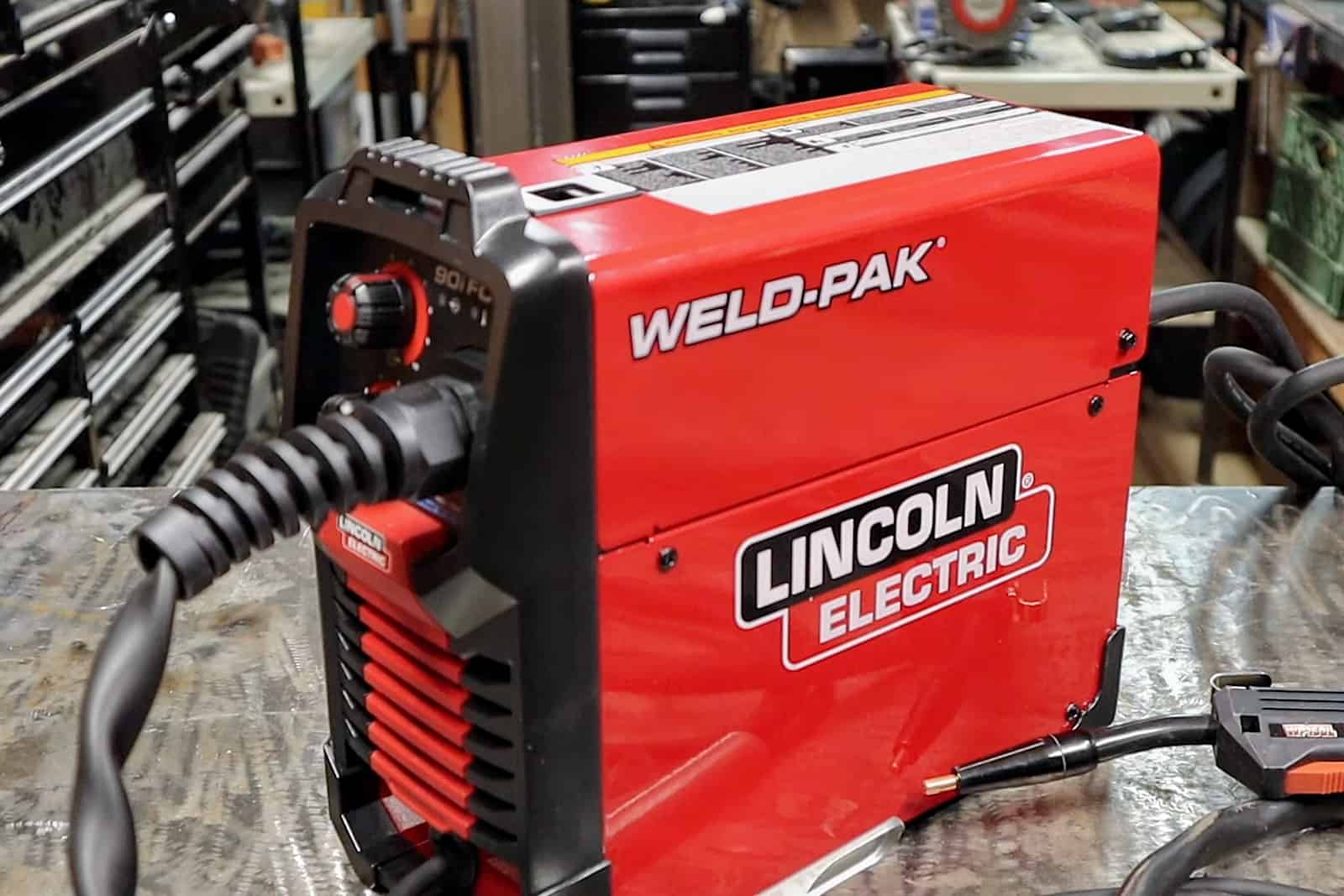
Alright folks, so you're itching to weld something? Awesome! Welcome to the fiery, fulfilling (and sometimes frustrating) world of metal joining. But where do you even begin? With so many different types of welders out there, it can feel like choosing between a million flavors of ice cream – overwhelming, right?
Don't sweat it. We're gonna break down the best type of welder for beginners, keeping things simple and (hopefully) a little entertaining. Think of me as your welding wingman, here to guide you through the sparks and flames.
So, What's the Deal with All These Welders?
First, let's acknowledge the elephant in the room: there are a bunch of welding processes. You've probably heard of MIG, TIG, Stick... sounds like alphabet soup, doesn't it? Each process has its own strengths, weaknesses, and learning curve. Some are like driving a manual transmission sports car – rewarding but demanding – while others are more like an automatic sedan – easy to pick up, but maybe lacking some finesse.
Let's consider these, briefly:
*Stick Welding (SMAW): the OG. This method uses a coated electrode ("stick") that melts and creates the weld. Think of it as the rough-and-tumble cowboy of welding. Simple equipment, but takes skill to master.
*TIG Welding (GTAW): The artist's choice. Uses a non-consumable tungsten electrode and requires two hands – one for the torch, one for the filler metal. Produces beautiful, precise welds. Imagine painting with fire.
*MIG Welding (GMAW): The workhorse. Uses a continuously fed wire electrode. Relatively easy to learn and great for thicker materials. Its is like a hot glue gun, but for metal.
The Champion for Newbies: MIG Welding
Okay, drumroll please... For most beginners, the MIG (Metal Inert Gas) welder is generally considered the easiest and most forgiving option. Why? Glad you asked!
- Easier to Learn: MIG welding is like riding a bike with training wheels (at least at first). The wire feed is automatic, which means you don't have to constantly be feeding filler metal manually, like in TIG welding. This makes it much easier to lay down a consistent bead.
- More Forgiving: Let's face it, you're gonna make mistakes. MIG welders are a bit more forgiving of inconsistent technique than, say, TIG. You can adjust settings to compensate for some minor wobbles and hesitations.
- Versatile: MIG welders can be used on a wide range of metals, including steel, stainless steel, and aluminum (with the right setup, of course). So, you can tackle a variety of projects.
- Faster: Compared to stick welding, MIG welding is generally faster, which means you can complete projects more quickly. Who doesn't love that?
Think of it this way: if stick welding is like trying to write calligraphy with a stick and ink, MIG welding is like using a nice ballpoint pen. Still requires skill, but much easier to get decent results quickly.
What About Stick Welding? Isn't That Cheaper?
That's a valid point! Stick welders are often more affordable upfront. And they're certainly tough as nails. But the learning curve is steeper. Controlling the arc and maintaining a consistent bead can be challenging, especially for beginners. Plus, stick welding produces a lot more slag (that hardened crust on the weld) that you have to chip off. It's like comparing learning to cook over an open fire to using a modern oven. Both will get you dinner, but one is way easier to manage.
TIG Welding: The Master's Path (Eventually)
TIG welding is beautiful. It’s capable of producing incredibly clean and precise welds. However, it's also the most challenging to learn. It requires excellent hand-eye coordination and precise control. It’s the level of detail and control of using the smallest brush in the drawer to paint a masterpiece. While you'll eventually get there, maybe save TIG welding for when you've got some MIG experience under your belt. It's like learning to play the violin – amazing, but not where you start your musical journey.
The Bottom Line: Get a MIG, Get Welding!
So, there you have it. For most beginners, a MIG welder is the best choice. It's relatively easy to learn, versatile, and forgiving. Of course, the best welder for you will depend on your specific needs and interests. But if you're just starting out and want to get welding quickly, a MIG welder is a fantastic place to start.
Remember, practice makes perfect (or at least, passable). Don't be afraid to experiment, make mistakes, and learn from them. Welding is a skill that takes time and dedication to master. But it's also incredibly rewarding. So, grab your welding helmet, fire up your MIG welder, and start creating something awesome!
And hey, don't forget to have fun! After all, you're playing with fire. What could be cooler than that?