Okay, let's talk sheet metal. Now, I know what you might be thinking: "Sheet metal? Sounds boring!" But trust me, it's more relevant to your life than you realize. Think about it – your car's body? Sheet metal. That shiny fridge in your kitchen? Yep, more sheet metal! And when you need to, say, fix a rusty patch on your barbecue or even craft a cool steampunk-inspired lamp (because, why not?), knowing how to cut sheet metal becomes a surprisingly handy skill.
So, the big question: What's the best tool for the job? Well, it's not a one-size-fits-all answer. It depends on what you're cutting, how thick it is, and frankly, how much effort you want to put in. Let's break down the contenders, shall we?
The Mighty Snips: Your Go-To for Simple Projects
Think of metal snips (also known as aviation snips) as the scissors of the sheet metal world. They're probably the most common and affordable option out there. You can find them at any hardware store, and they're super easy to use. Imagine opening a stubborn bag of chips, but instead of flimsy plastic, you're slicing through… well, sheet metal! They come in three main flavors: left-cutting (usually red handles), right-cutting (usually green handles), and straight-cutting (usually yellow handles). The color coding helps you navigate curves and avoid awkward hand contortions. Knowing which snips to use for which curve is a game-changer.
When are snips your best bet? For thinner gauge sheet metal (think 22 gauge or thinner), for simple straight cuts, and for gently curving lines. They're also great for making small, precise cuts, like notching corners. Plus, they're relatively quiet, which your neighbors will appreciate if you're working on a weekend project.
But snips aren't perfect. Cutting thicker metal can be a real arm workout, and they can leave a slightly burred edge. Also, long, straight cuts can be a bit tedious. Think of it as a light workout, but maybe not a marathon.
Nibblers: The Punch-Tastic Option
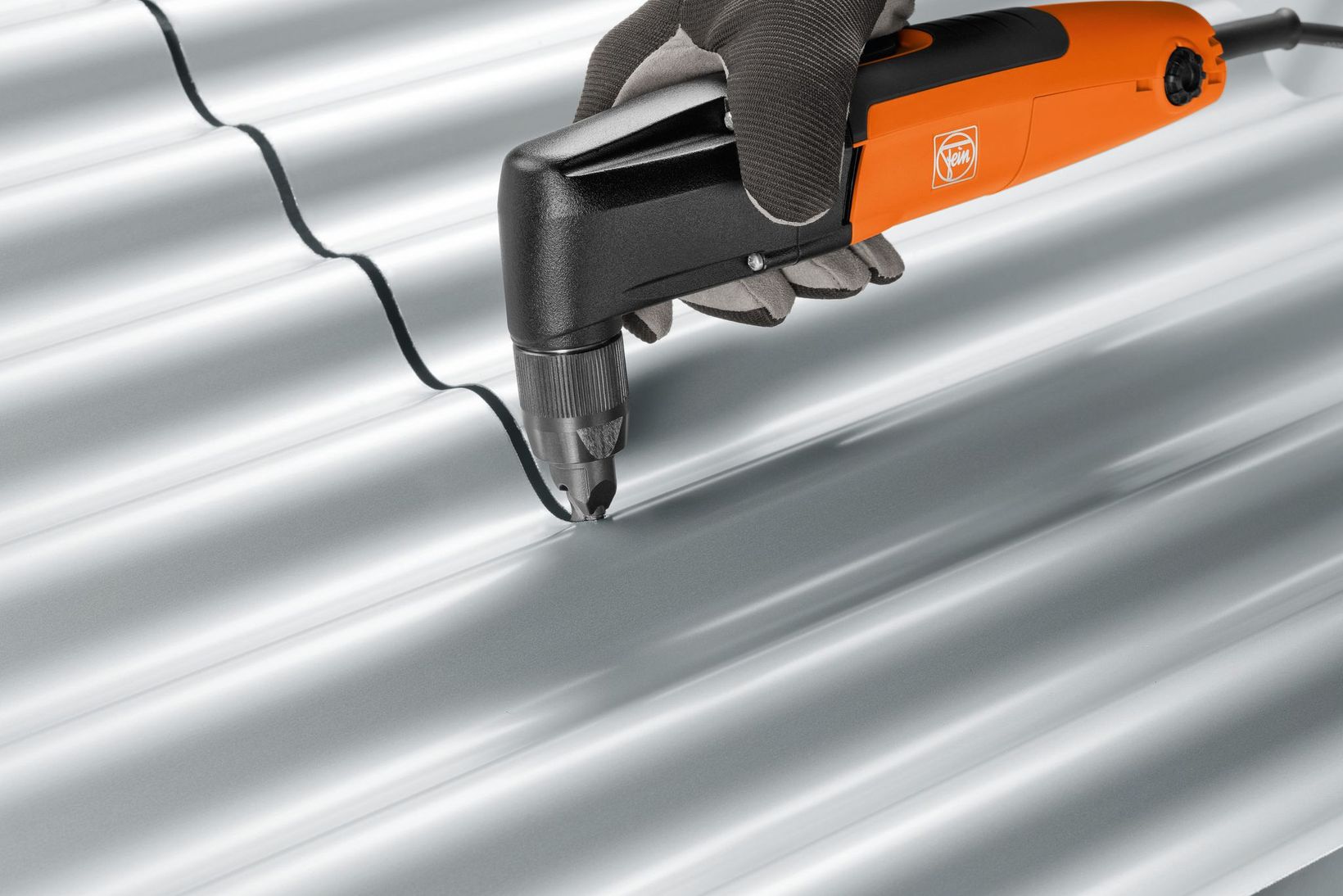
Nibblers are like a tiny, metal-munching Pac-Man. They work by taking small bites out of the metal as you move along your cutting line. They're fantastic for intricate shapes and curves, and they don't distort the metal as much as some other methods. Imagine cutting out a perfect circle for a custom vent – a nibbler would make that a breeze.
They're also relatively easy to control, and they're less likely to leave sharp burrs than snips. However, nibblers are generally slower than some other options, and they can be a bit pricey. Think of it as precision over speed.
Shears: The Powerhouse Choice
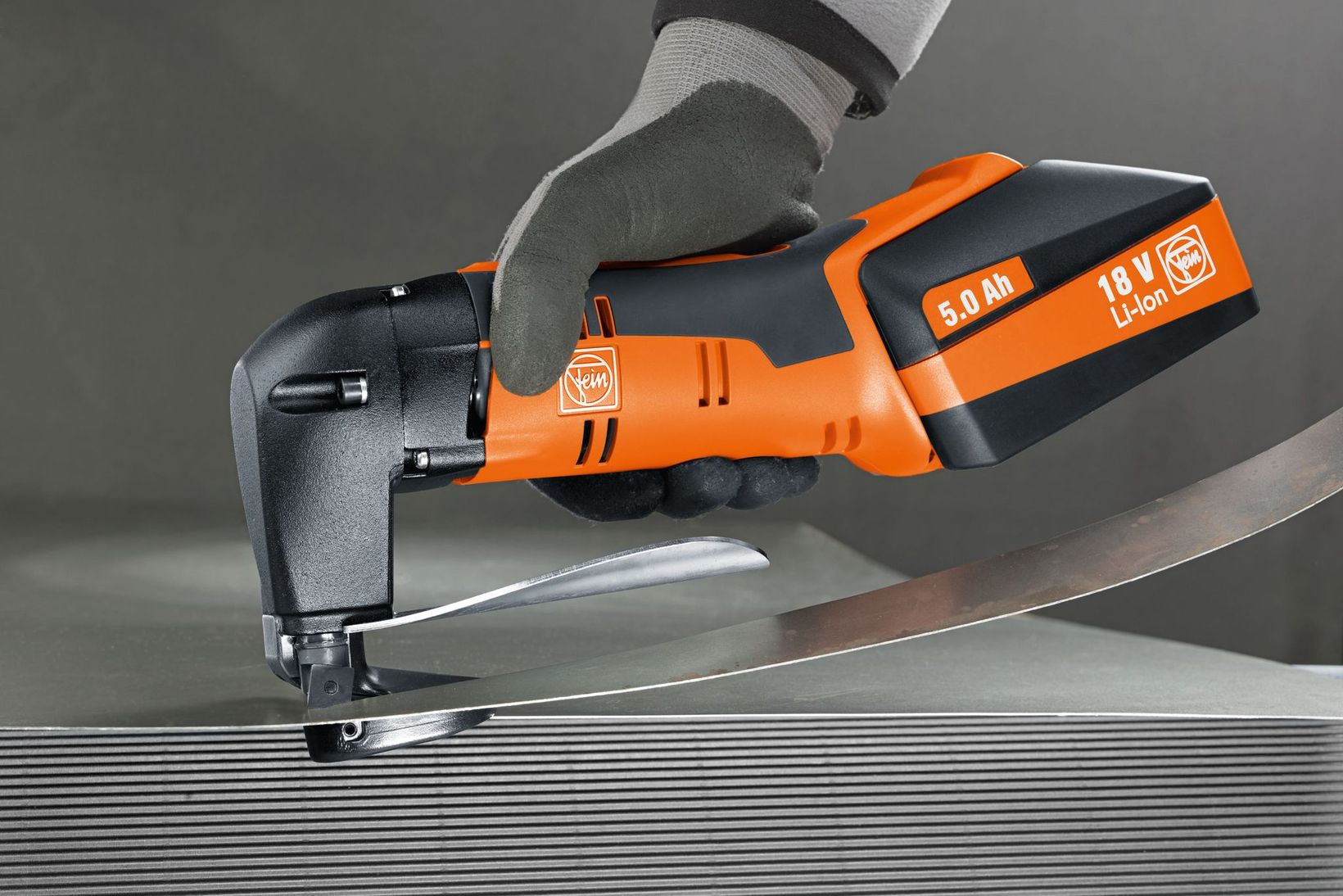
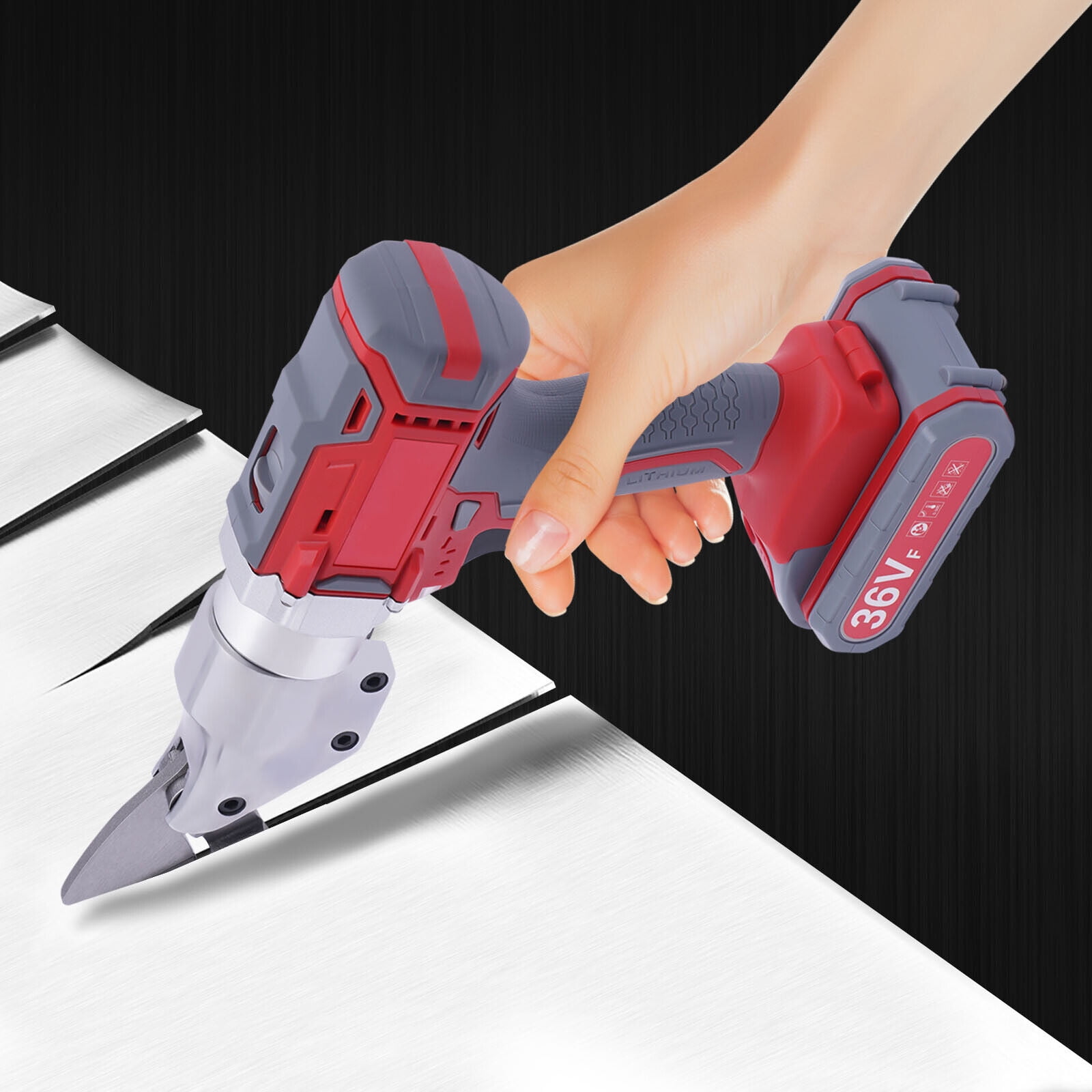
If you're dealing with thicker sheet metal or need to make long, straight cuts, power shears are your friend. These tools, either handheld or mounted on a stand, use a motor to drive the cutting action, making the job much easier and faster. Imagine effortlessly slicing through metal like butter. This option is great for larger projects where efficiency is key.
There are different types of shears: throatless shears offer greater maneuverability for complex shapes, while straight shears are ideal for (you guessed it) straight cuts. However, power shears are generally more expensive than snips or nibblers, and they can be a bit bulky and noisy. Think of it as the heavy artillery – powerful, but not always the most delicate.
Angle Grinder with a Cut-Off Wheel: Proceed with Caution!
Okay, this is where things get a little more…intense. An angle grinder with a cut-off wheel can slice through sheet metal like nobody's business. It's fast, powerful, and can handle even thick materials. However, it's also the most dangerous option on this list. It throws sparks, makes a lot of noise, and can be difficult to control. Safety is paramount when using an angle grinder. Always wear eye and ear protection, and be mindful of your surroundings.
Plus, angle grinders can leave a rough, uneven edge that requires grinding and finishing. Think of it as a last resort for tough jobs, but only if you're comfortable with power tools and prioritize safety above all else. Think of it as the wildcard – use with extreme caution!
Laser Cutters/Plasma Cutters: The High-Tech Option
If you're looking for the ultimate in precision and clean cuts, and you have access to one, a laser cutter or plasma cutter is the way to go. These machines use a focused beam of light or plasma to melt through the metal, leaving a perfectly smooth edge. They're ideal for intricate designs and can handle a wide range of materials.
However, laser cutters and plasma cutters are very expensive and require specialized training to operate. Think of it as the Ferrari of sheet metal cutting – beautiful, powerful, but not exactly an everyday tool for everyone.
So, Which Tool Should You Choose?
Ultimately, the best tool for cutting sheet metal depends on your specific needs and budget. For small projects and thinner materials, snips are a great starting point. For intricate shapes, nibblers are a good option. For thicker materials and long cuts, power shears are the way to go. And for those who are feeling adventurous (and safety-conscious), an angle grinder can get the job done. No matter which tool you choose, remember to always prioritize safety and have fun creating!