Hey there, fellow makers and curious minds! Ever looked at a 3D-printed object and thought, "Wow, how did they DO that?" Well, a big part of the magic comes down to the humble filament, specifically PLA. But which PLA is the best PLA? That’s the question we’re going to noodle over today. Think of it like choosing the perfect ingredient for your favorite recipe – it makes all the difference!
What's the Big Deal About PLA Anyway?
PLA, or polylactic acid, is like the friendly neighbor of the 3D printing world. It’s derived from renewable resources like cornstarch or sugarcane, which makes it a more eco-friendly choice compared to some other filaments. Plus, it's generally easier to print with, especially for beginners. Why? Because it doesn’t require super high temperatures or a heated bed in many cases. Think of it as the "set it and forget it" option of the 3D printing world (okay, maybe not *that* easy, but you get the idea!).
But here's the thing: not all PLA is created equal. Just like you wouldn't use the same kind of flour for baking bread and making a delicate cake, you need to consider the type of PLA you use for your 3D printing projects.
So, What Makes One PLA Better Than Another?
Good question! It's all about the details, folks. Here's what to look for:
1. Purity and Consistency:
Imagine trying to draw a straight line with a wobbly pen. Frustrating, right? Same goes for PLA! You want a filament that's pure and has a consistent diameter throughout the entire spool. Why? Because inconsistent diameter can lead to clogs, uneven extrusion, and ultimately, a failed print. Think of it like using Lego bricks – if some are slightly bigger or smaller, your castle won't be very stable!
2. Printing Temperature Range:
Different PLAs have slightly different optimal printing temperatures. A good PLA will have a clearly defined and relatively wide printing temperature range. This gives you more wiggle room to experiment and fine-tune your settings without running into issues like stringing (those annoying little spiderwebs of plastic) or warping (when your print lifts off the build plate).
3. Color and Finish:
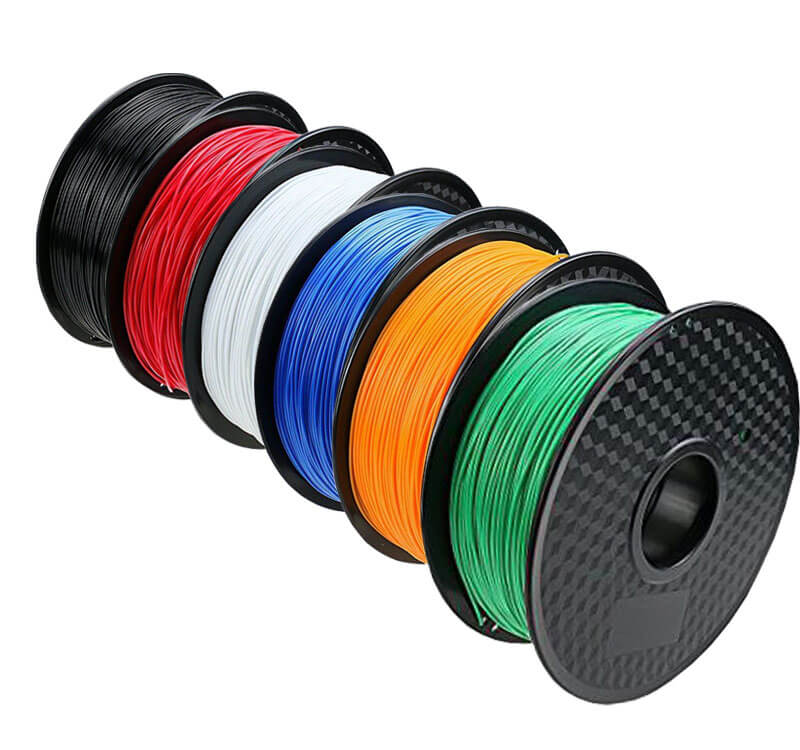
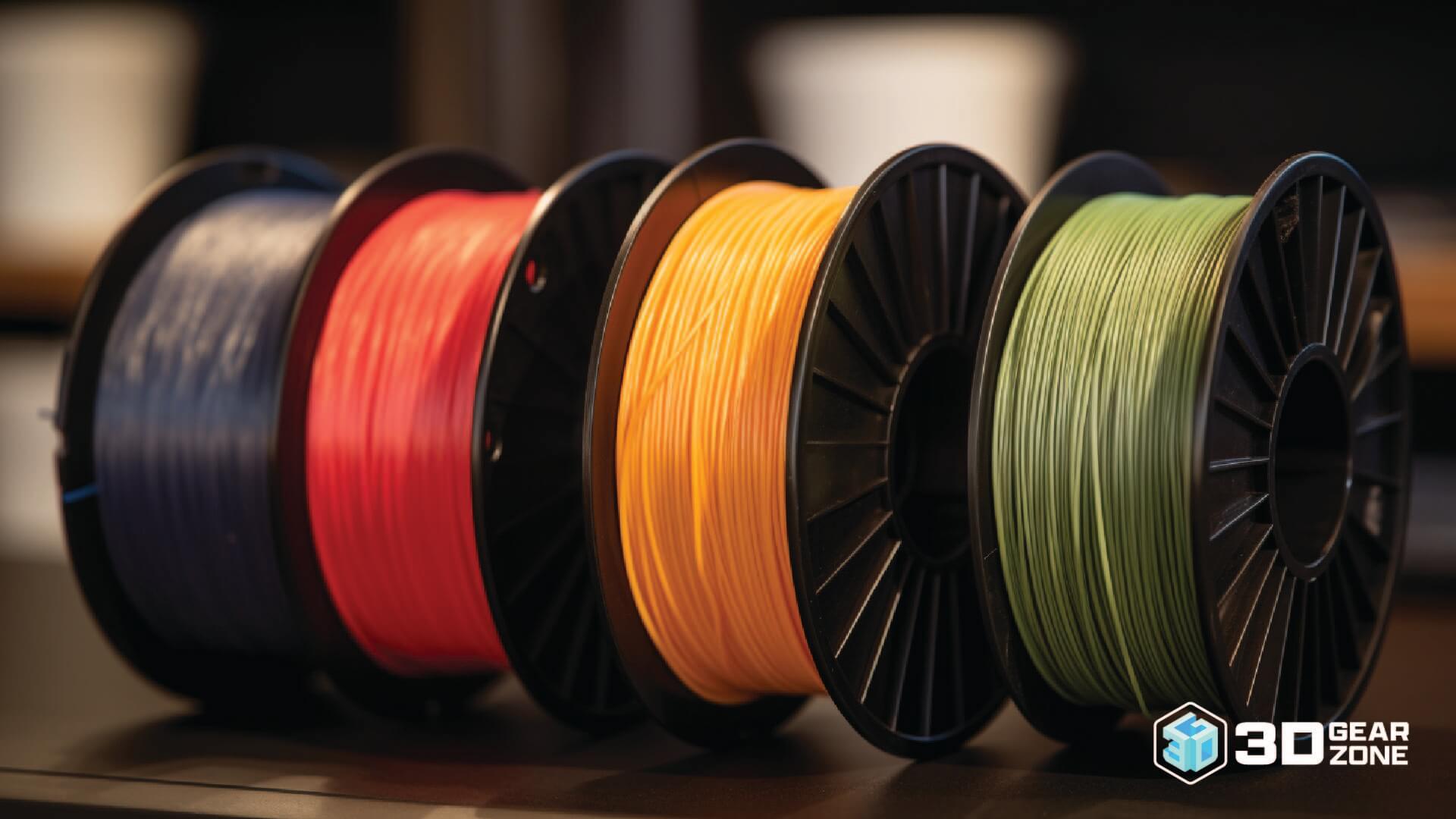
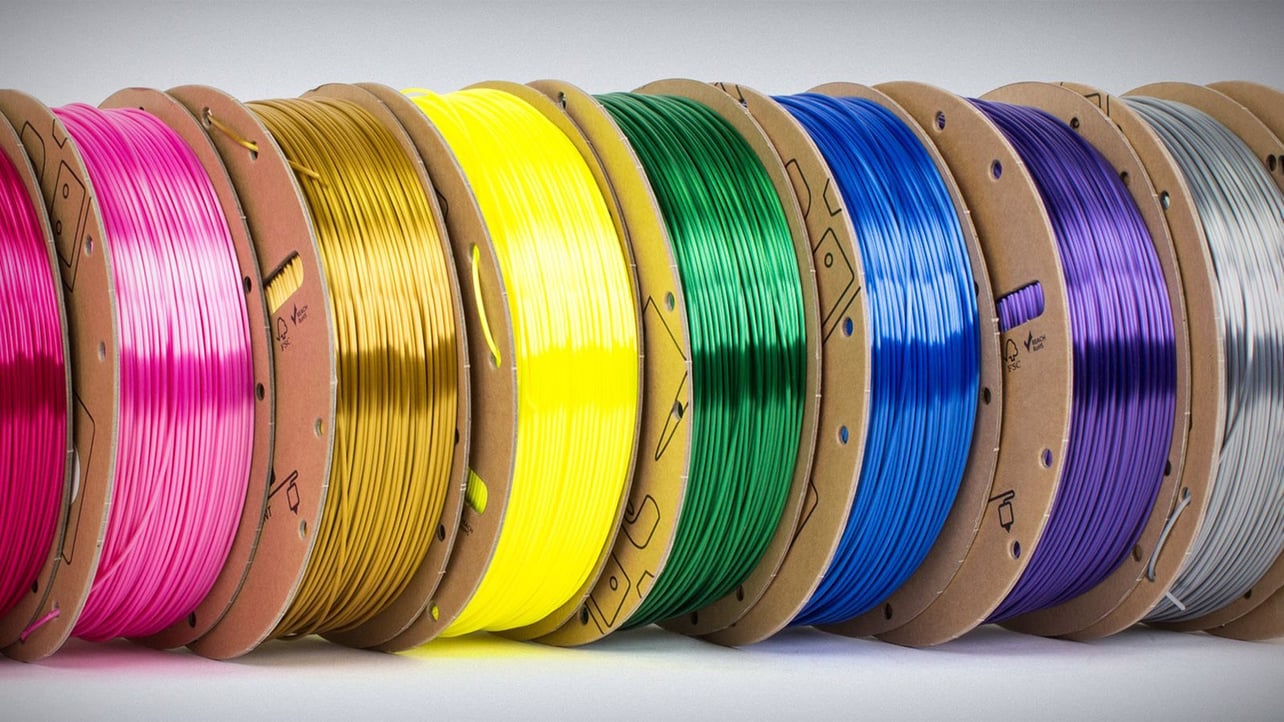
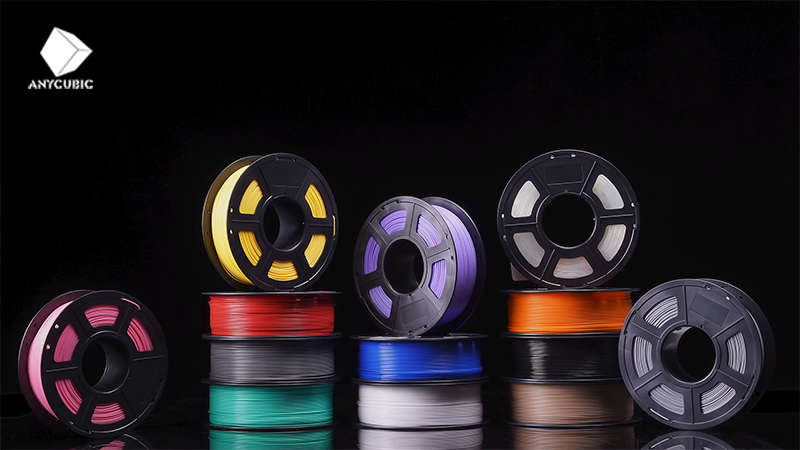
Okay, this is where things get fun! PLA comes in a rainbow of colors and a variety of finishes – matte, glossy, silk, even glow-in-the-dark! The "best" color or finish really depends on what you're printing. Want a sleek, modern look? Go for a glossy black. Need something that's easy on the eyes? A matte grey might be perfect. Feeling a little whimsical? Silk PLA will give your prints a beautiful, shimmering effect.
4. Strength and Durability:
While PLA isn't known for being super strong (it's not going to replace steel anytime soon!), some PLAs are formulated to be more durable than others. Look for PLAs that are marketed as "high-strength" or "impact-resistant" if you need your prints to withstand a bit of wear and tear. Think of it like choosing between a paper plate and a ceramic plate – both can hold food, but one is definitely more durable!
Okay, So Where Do I Start?
Alright, so you’re ready to dive in. But where do you even begin? There are tons of brands out there, each claiming to be the best. Here's a simple approach:
- Read Reviews: Check out online reviews and forums to see what other 3D printing enthusiasts are saying. Pay attention to feedback on print quality, ease of use, and customer service.
- Experiment: The best way to find the right PLA for *you* is to experiment! Buy a few different spools from different brands and try them out. Keep track of your settings and results so you can learn what works best for your printer and your projects.
- Consider Your Budget: PLA prices can vary quite a bit. Don't assume that the most expensive PLA is automatically the best. Sometimes, you can find excellent quality PLA at a very reasonable price.
Don't Be Afraid to Ask!
The 3D printing community is incredibly supportive and helpful. If you're stuck or unsure about something, don't hesitate to reach out to other makers online or in person. We’re all learning together!
The Bottom Line
Finding the "best" PLA is a journey, not a destination. It's about experimenting, learning, and discovering what works best for your specific needs and projects. So, grab some different spools, fire up your 3D printer, and get ready to create something amazing! Happy printing!