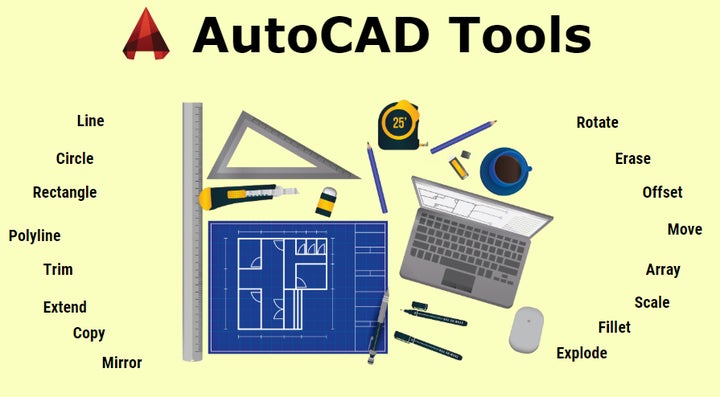
Let's talk about AutoCAD. You've probably heard the name. But what exactly *is* it used for?
Here's my controversial take: It's for making lines. Lots and lots of lines.
The Obvious (and Slightly Boring) Answer
Okay, okay. I'm being dramatic. Officially, AutoCAD is Computer-Aided Design software. Pretty straightforward, right?
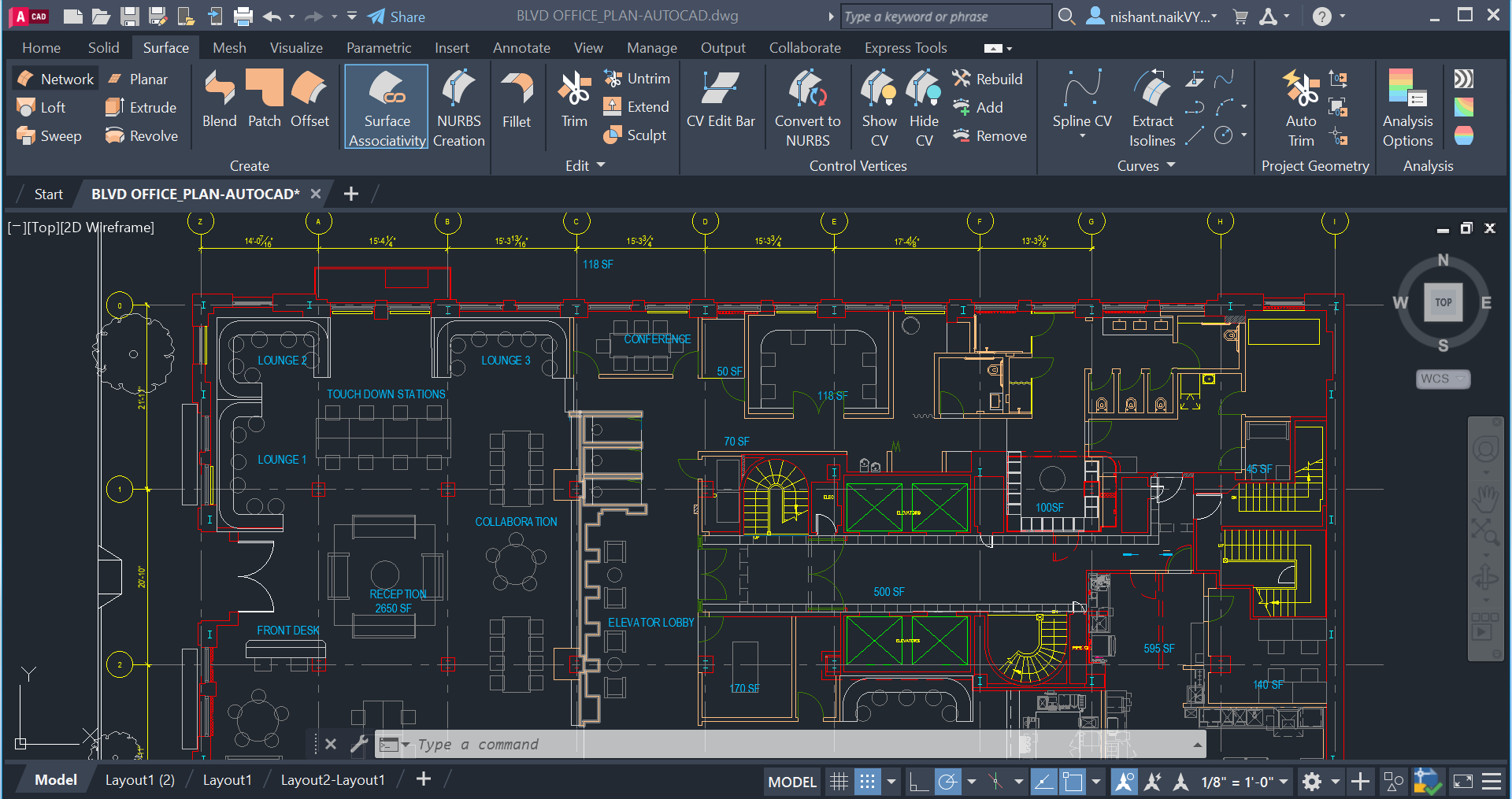
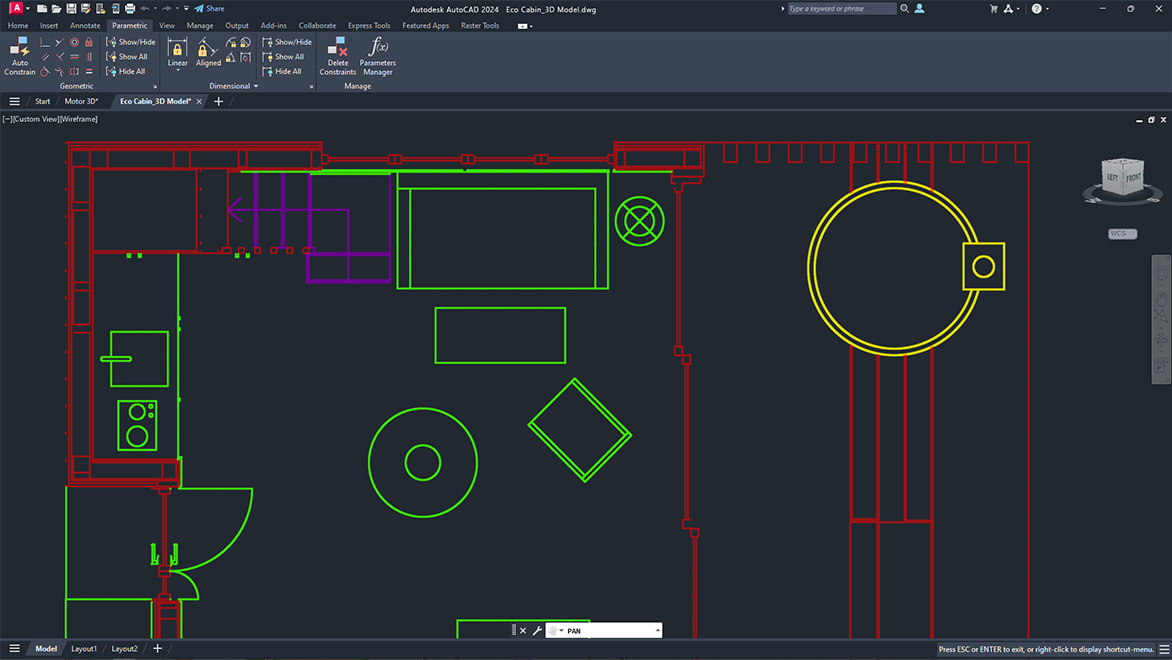
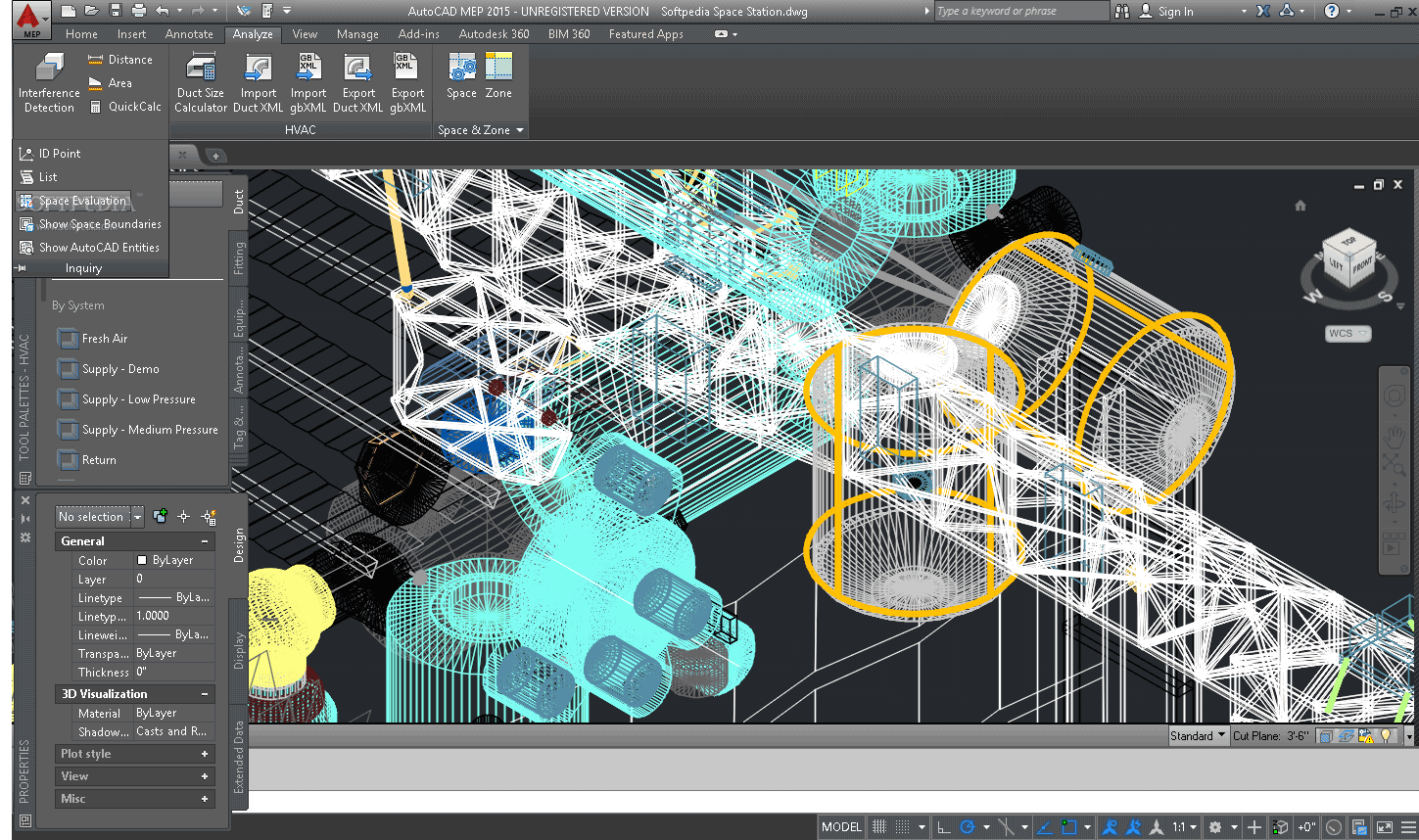
It's for creating precise 2D and 3D drawings. These aren't your doodles on a napkin.
Think blueprints for buildings, detailed product designs, or even city layouts.
Architects and Engineers: AutoCAD's Best Friends
Architects use AutoCAD to bring their visions to life. They plan buildings from the foundation up.
Engineers rely on it for designing everything from bridges to tiny machine parts.
Basically, if something needs to be built, there's a good chance AutoCAD was involved.
Let's not forget interior designers. They use it to plan space and design the interior look of a building.
That helps visualise the space and make sure everything fits perfectly.
They can also show the client how the final output will look before the project started.
Manufacturing Marvels
Ever wonder how your phone was designed? AutoCAD! From the sleek curves to the tiny internal components.
Manufacturers use it to create precise models for production. This includes cars, appliances, and just about everything else.
Without it, we'd be stuck with square, clunky gadgets. And no one wants that.
Beyond the Blueprint: Unexpected Uses
But AutoCAD isn't just for serious construction and manufacturing. It has some surprising applications.
Some artists use it to create intricate geometric designs. These can be turned into sculptures or digital art.
It's like a super-powered Etch-A-Sketch for the 21st century.
Fashion Forward with CAD
Believe it or not, AutoCAD is finding its way into the fashion world. Designers use it to create patterns and prototypes.
This allows for more precise cutting and sewing, leading to better-fitting clothes.
So, your next designer outfit might owe its existence to lines generated by AutoCAD.
Landscaping and Urban Planning
AutoCAD helps urban planners and landscapers to create well-organized city layouts.
They can efficiently allocate space for buildings, roads, and green areas.
That allows them to create urban design projects, from parks to entire neighborhoods.
The Not-So-Secret Skill: Line Management
Here's where my "lines" argument comes back in. At its core, AutoCAD is about managing lines, shapes, and objects.
It's about creating precise representations of things, whether real or imagined.
And that requires a mastery of lines, arcs, and curves.
Layers Upon Layers
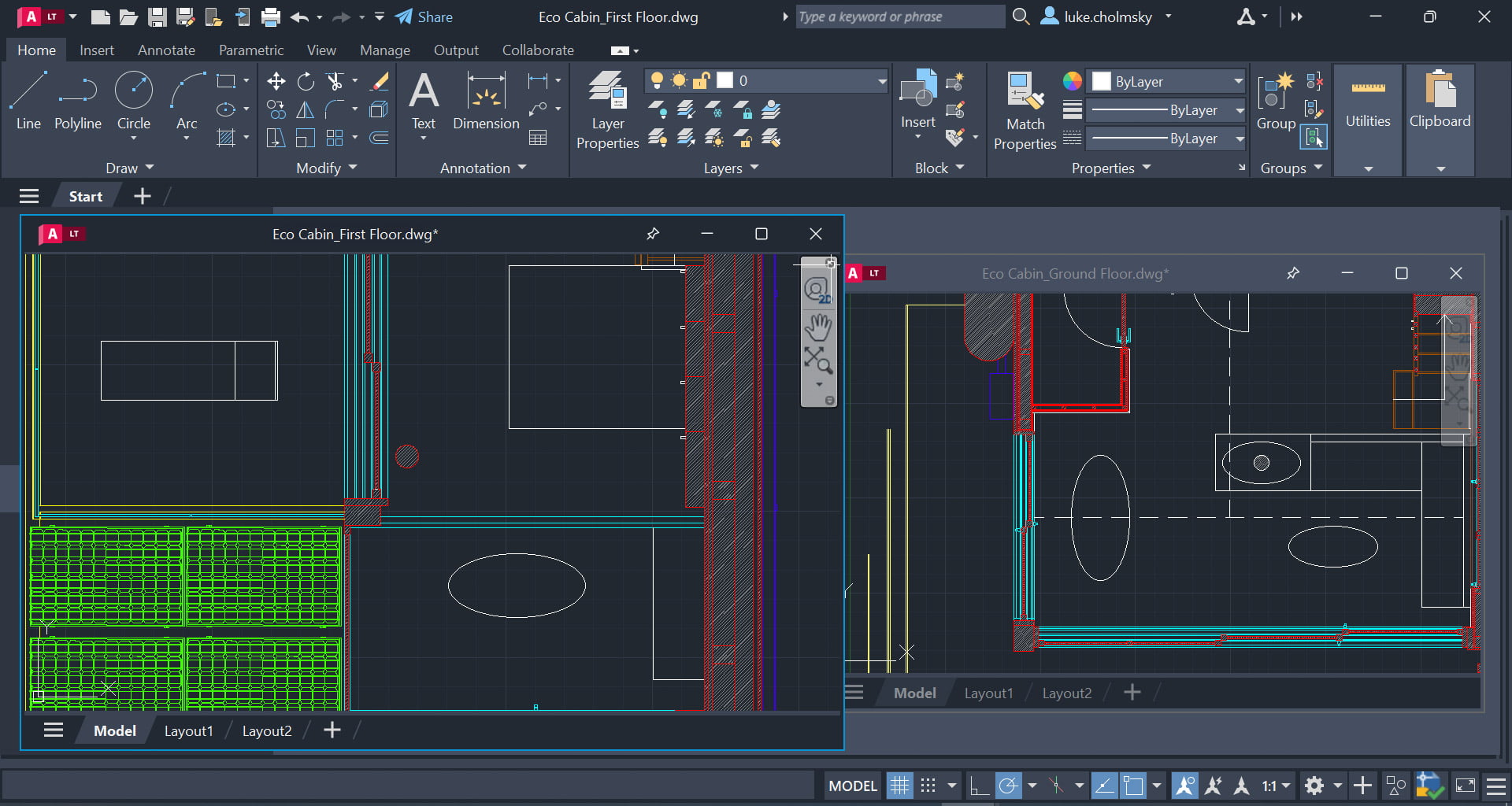
One of AutoCAD's key features is its layering system. Think of it like clear sheets of paper stacked on top of each other.
Each layer can contain different elements of the design. This makes it easier to organize and edit complex drawings.
Without layers, AutoCAD would be a chaotic mess. Trust me, I've been there.
Each layer also can be made visible or invisible as required.
That allows the designers to focus on the necessary parts of the project and ignore other not so important for the task elements.
The Power of Precision
AutoCAD allows for incredible precision. You can specify dimensions down to fractions of an inch (or millimeter!).
This level of accuracy is essential for many applications, especially in engineering and manufacturing.
Imagine trying to build a skyscraper with measurements that are "close enough." Yikes!
The level of precision AutoCAD allows reduces errors in the final product design.
That will save time, money and materials in the long run.
You also reduce the time spent on modifications, which can be expensive.
The Learning Curve: Is AutoCAD Hard to Learn?
Let's be honest, AutoCAD has a reputation for being difficult to learn. There are a lot of commands and features to master.
But don't let that scare you away! There are plenty of resources available to help you get started.
From online tutorials to in-person classes, you can find a learning path that suits your style.
Practice Makes Perfect (and Less Frustrating)
The key to mastering AutoCAD is practice. Don't be afraid to experiment and make mistakes.
The more you use the software, the more comfortable you'll become with its interface and commands.
Before you know it, you'll be drawing like a pro. Or at least, drawing lines with confidence.
The AutoCAD Community
One of the best things about AutoCAD is its large and active community. There are forums, user groups, and online resources galore.
If you're stuck on a problem, chances are someone else has already solved it. And they're willing to share their knowledge.
So, don't be afraid to ask for help. The AutoCAD community is there for you.
This is important, because the problems and projects you will be facing are specific to you.
But learning from other experts and experienced designers can help you figure out the optimal way to solve your challenges.
AutoCAD: Still Relevant in a 3D World?
With the rise of 3D modeling software, you might wonder if AutoCAD is still relevant. The answer is a resounding yes!
While 3D is great for visualization, AutoCAD remains the go-to tool for precise 2D drawings and documentation.
Plus, many industries still rely heavily on 2D workflows. So, AutoCAD isn't going anywhere anytime soon.
AutoCAD and BIM: A Powerful Combination
Building Information Modeling (BIM) is revolutionizing the construction industry. And AutoCAD plays a key role in BIM workflows.
AutoCAD can be used to create the 2D drawings that are incorporated into BIM models. This ensures accuracy and consistency.
So, even in a BIM-centric world, AutoCAD remains an essential tool.
BIM models are digital representations of the building structure.
And AutoCAD helps incorporate data and information within the model.
This allows the parties involved to easily share and collaborate, from the architects to the engineers and the contractors.
So, What *Is* AutoCAD Used For?
In conclusion, AutoCAD is used for a wide variety of purposes, from architectural design to manufacturing to even fashion.
It's a powerful tool for creating precise 2D and 3D drawings. And it's still a vital part of many industries.
But let's be real. Deep down, it's all about making lines. Beautiful, precise, and perfectly organized lines.