Okay, so picture this: I’m at a doctor’s office, getting a checkup (because, you know, adulting). And I’m staring at this syringe, thinking, "Wow, that’s...clean." Then my brain went full-on "How It’s Made" mode. Like, whoa, where did this *magical* medical device come from? Did a fairy sprinkle it with sterilization dust? Nope! Machines, my friends, machines!
Which brings me to the fascinating world of medical supply manufacturing. It's not all gleaming robots and scientists in lab coats (although, okay, some of it is). A huge chunk of it is these amazing machines churning out the parts we need for everything from those aforementioned syringes to complex surgical instruments. I mean, think about it – would you trust a hand-carved scalpel?
Let's break it down, shall we?
The Machine Masters: Part Production
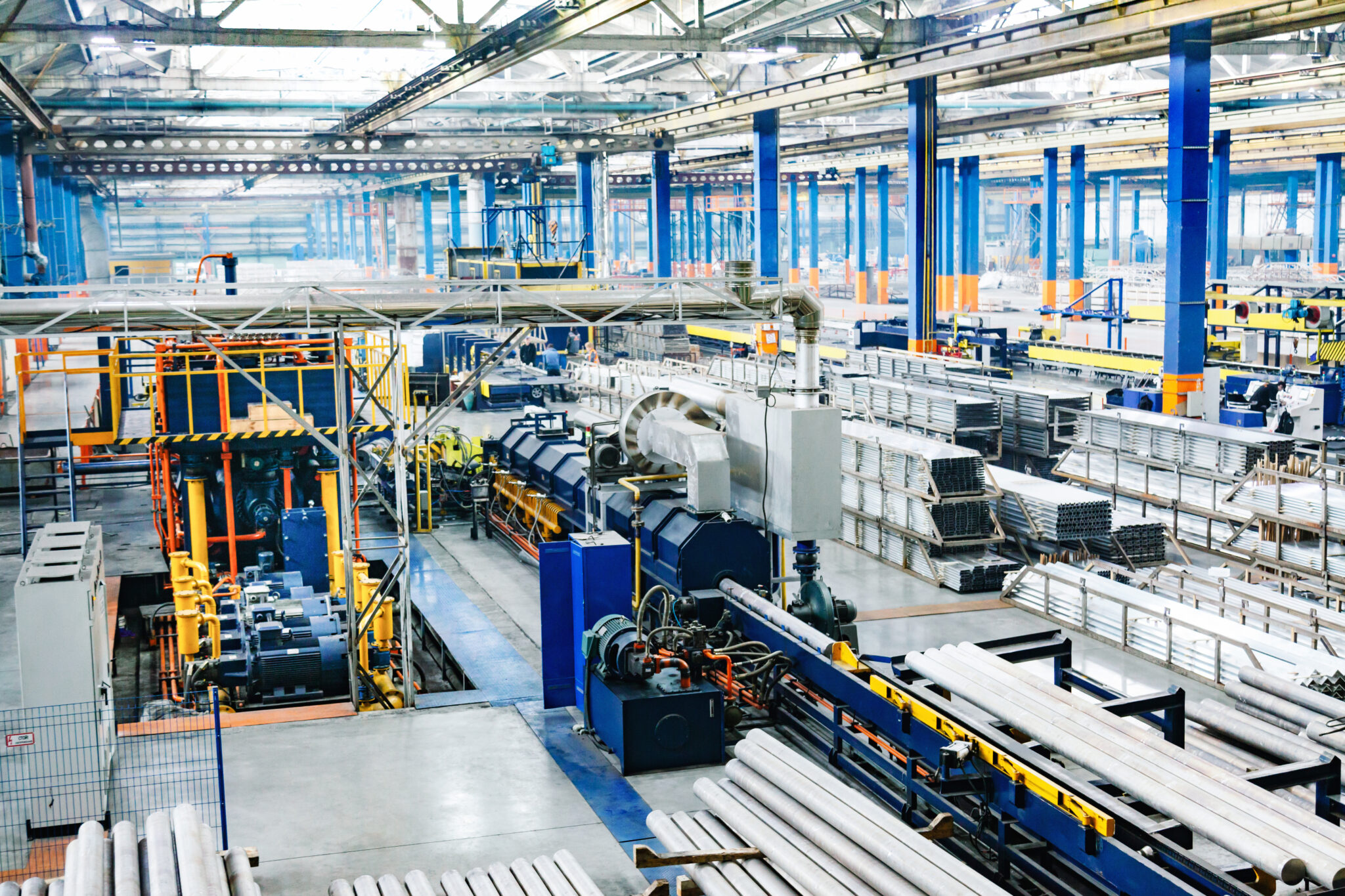
Think about the sheer volume of medical supplies used every single day. Millions of syringes, needles, tubes, and more! It's mind-boggling! And, obviously, that requires a truly impressive output. Machines are the only way to meet that demand. We're talking serious efficiency here.
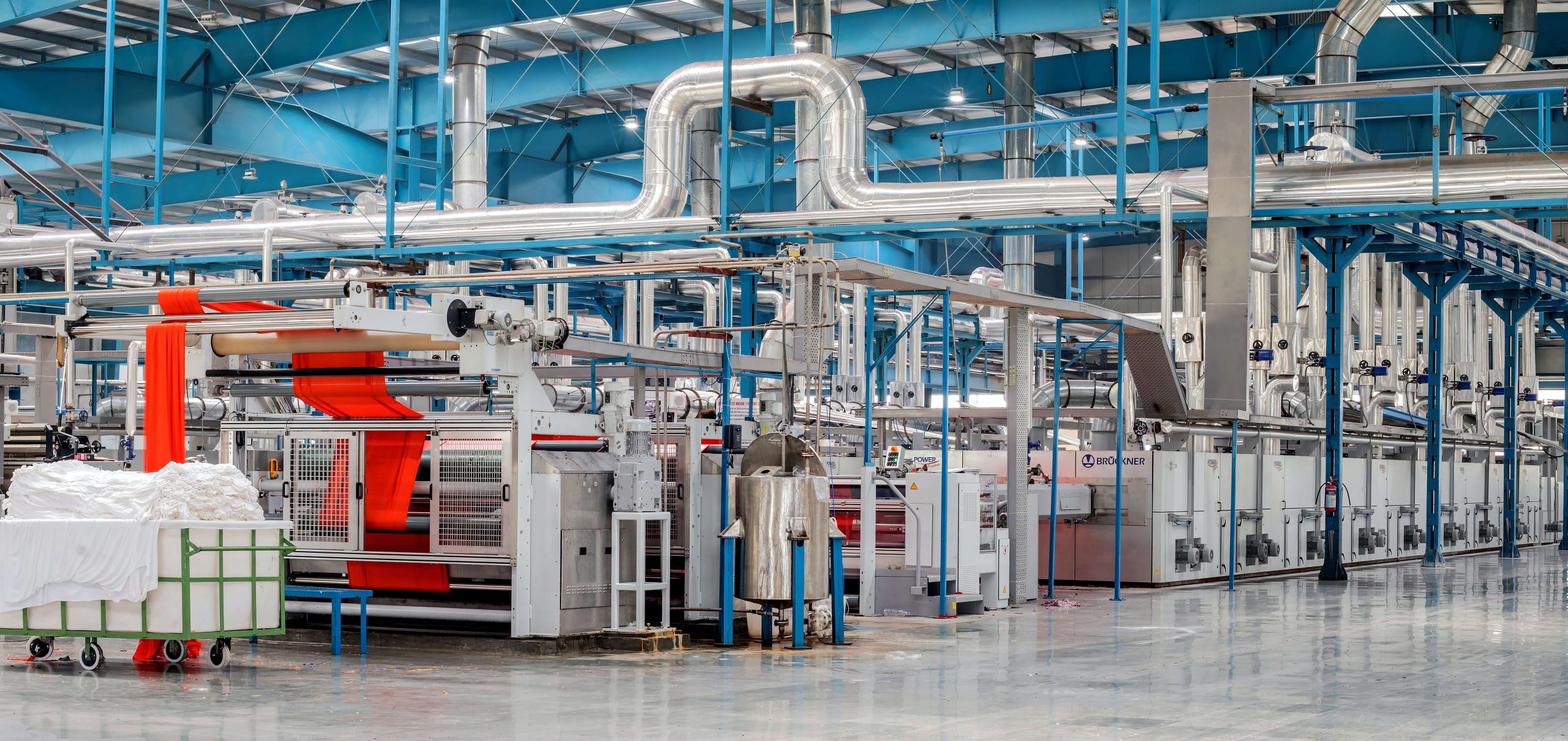
These aren't your grandpappy's clunky old machines either. We’re talking about highly sophisticated, often computer-controlled, marvels of engineering. Think CNC milling machines, injection molding machines, laser cutters – the whole shebang! Each carefully programmed to perform a specific task with incredible precision. (Precision is kinda important when you're dealing with medical stuff, right?).
Side note: I'm imagining a robot uprising. But hopefully, they’ll at least give us really clean bandages before they enslave us. Just sayin’.
They are producing parts from wide ranges of materials. Medical grade plastics are a favorite due to their biocompatibility and ability to be easily sterilized. Metals like stainless steel and titanium are also common, providing strength and durability for instruments. The machines are carefully calibrated to handle these materials, maintaining the necessary quality standards.
Precision is Key (Seriously!)
In the medical world, there's absolutely no room for error. Imagine a tiny burr on a needle that could cause infection or a poorly molded syringe that leaks. Yikes! That’s why the precision of these machines is absolutely crucial. We're talking tolerances of microns – smaller than a human hair! (Which, let’s be honest, is probably finer than *my* hair after a bad hair day).
These machines are constantly monitored and calibrated to ensure they're producing parts to the exact specifications. And the quality control process is intense, because, you know, people’s health depends on it.
Automation: The Future (and Present)
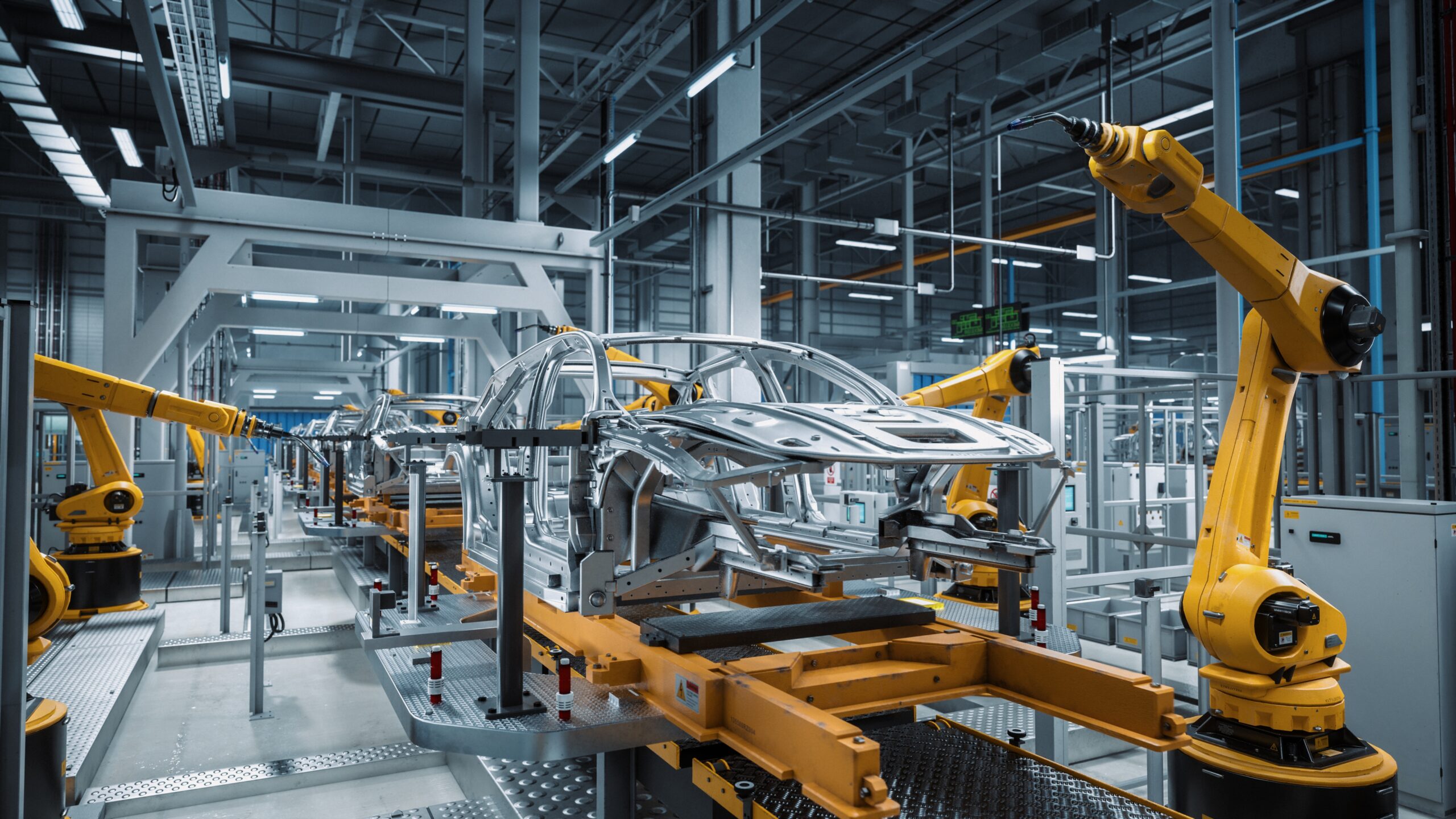
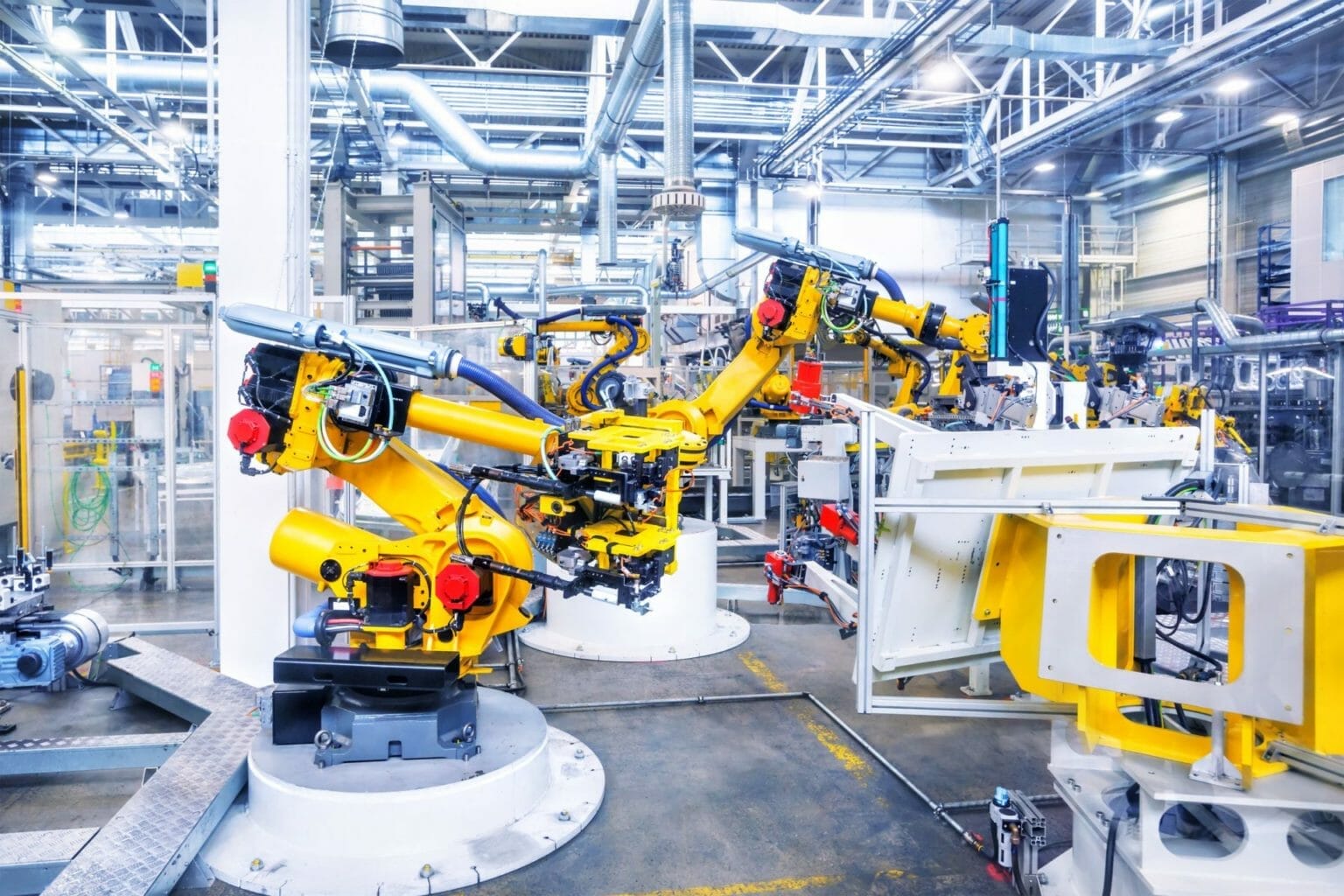
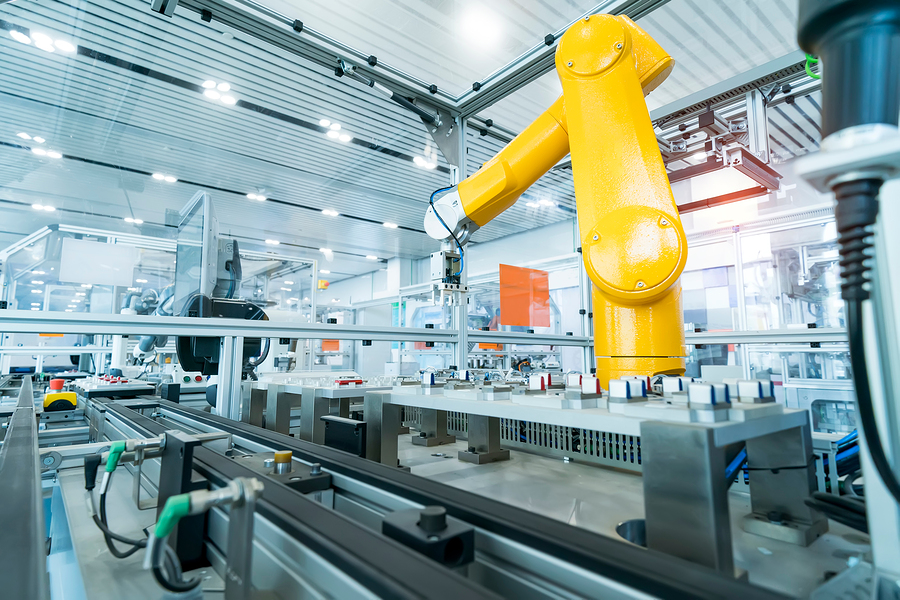
The trend in medical supply manufacturing is definitely towards increased automation. Think robotic arms assisting with assembly, automated inspection systems, and even self-correcting machines that can adjust their parameters on the fly. It's pretty wild.
Here's why automation is so important:
- Increased Efficiency: Machines can run 24/7 without getting tired (or needing coffee breaks!).
- Improved Accuracy: Robots don't have shaky hands.
- Reduced Costs: Less human labor (although, hopefully, those humans are finding new, awesome jobs!).
- Enhanced Safety: Machines can handle hazardous materials and processes, keeping humans out of harm's way.
Of course, even with all this automation, there’s still a need for skilled technicians and engineers to maintain, program, and oversee the machines. It’s not just a matter of pressing a button and watching the magic happen. (Although, that would be pretty cool).
Think about it: next time you see a medical device, remember the intricate dance of machines that brought it into being. It’s a testament to human ingenuity and our relentless pursuit of better healthcare. (And hopefully, it won’t be part of the robot uprising).
So, yeah, machines making medical supplies. Not the most glamorous topic, maybe. But definitely essential (and kinda cool when you think about it).