Ever stumble upon a seemingly cryptic symbol that holds the key to joining the world together, quite literally? We're talking about the Arrow Side Other Side Weld Symbol. Don't let the technical name intimidate you! Think of it as a secret language used in welding, a language increasingly being embraced not just by engineers, but by artists, hobbyists, and anyone curious about the nuts and bolts of creation. It's simpler than it looks, and unlocking its meaning can open up a world of creative possibilities.
So, why should you, as a potentially creative individual, care about weld symbols? Well, understanding them empowers you to design and communicate your ideas clearly. Imagine you're crafting a stunning metal sculpture. Instead of relying on vague descriptions, you can use weld symbols to precisely specify how different pieces should be joined. This clarity is invaluable whether you're working with a professional welder or tackling the job yourself. It's also a fantastic tool for understanding technical drawings, allowing you to appreciate the intricate details of engineered creations around you.
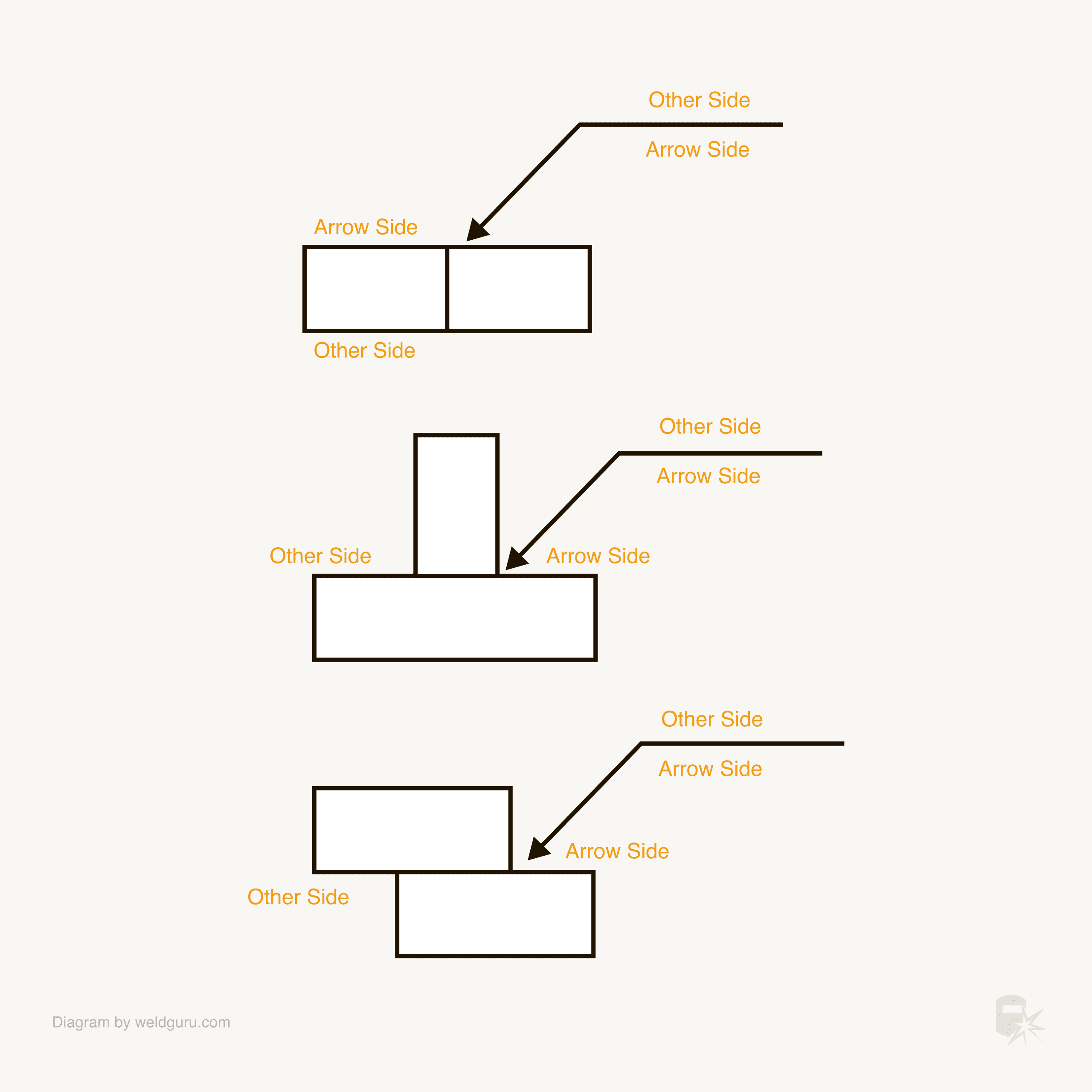
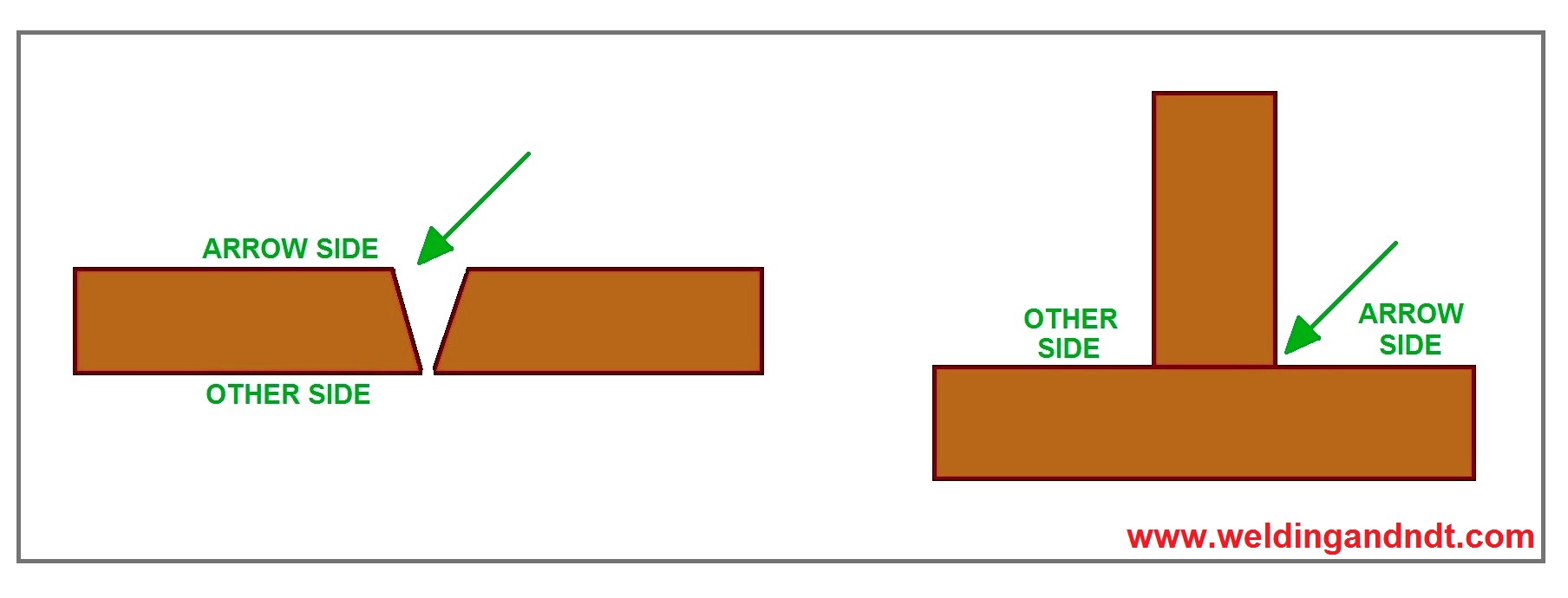
The core concept revolves around a horizontal reference line. The arrow points towards the joint to be welded, and the weld symbol on the arrow side of the line indicates the weld on the side the arrow points to. Conversely, a symbol on the other side indicates a weld on the opposite side. Simple, right? Let's look at some examples. A simple fillet weld, resembling a right triangle, is incredibly common. You might see variations like a bevel weld, a groove weld, or even a plug weld, each with its distinct symbol representing the weld's shape. Consider a birdhouse project: the weld symbol could show how to securely attach the roof using a fillet weld on both sides ("arrow side" and "other side"), guaranteeing weather resistance.
Want to give it a try at home? Start by sketching a simple object, like a small metal frame or a decorative bracket. Then, break down the joints and try to represent them using basic weld symbols. There are plenty of resources online that illustrate different weld symbols and their meanings. Don't be afraid to experiment! Print out some reference sheets, grab a pencil, and start practicing. Websites and apps that simulate welding are also great resources for learning.
The beauty of understanding weld symbols lies in the newfound ability to visualize and communicate complex structural ideas. It's like learning a new visual language, one that bridges the gap between concept and creation. It transforms how you see the world, from the furniture in your living room to the bridges you cross every day. It's enjoyable because it fosters a sense of understanding and control over the physical world, allowing you to participate more fully in the process of building and creating. So, embrace the symbol, explore its potential, and unlock a whole new level of creative expression!