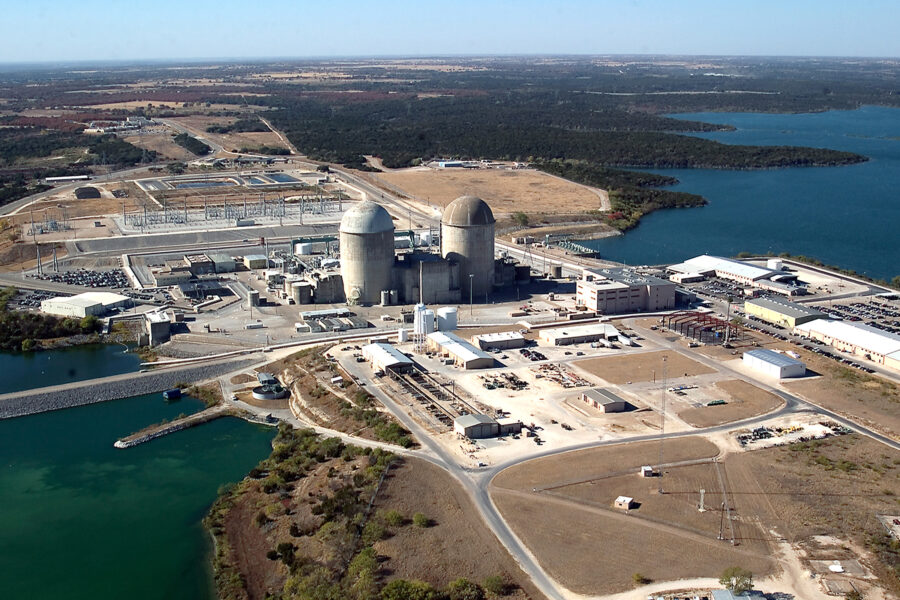
Okay, let's talk about something that might sound a little intimidating at first: nuclear power in Texas. Now, before you picture Homer Simpson and start imagining glowing green goo, let's break it down. Are there nuclear plants in the Lone Star State? Yes, there are!
Think of it like this: Texas is known for its big everything – big skies, big trucks, big steaks. So, it probably shouldn’t surprise us that they're also involved in big energy solutions, including nuclear.
So, Where Are These Nuclear Power Plants?
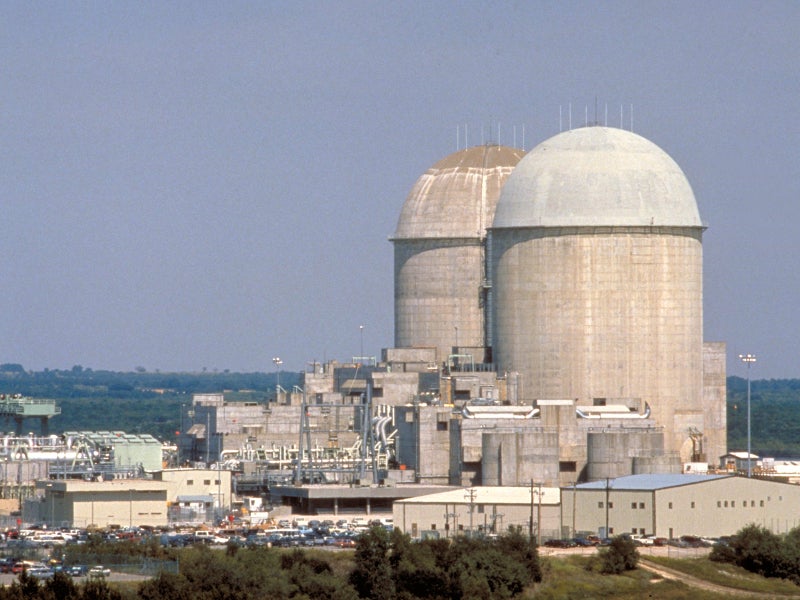
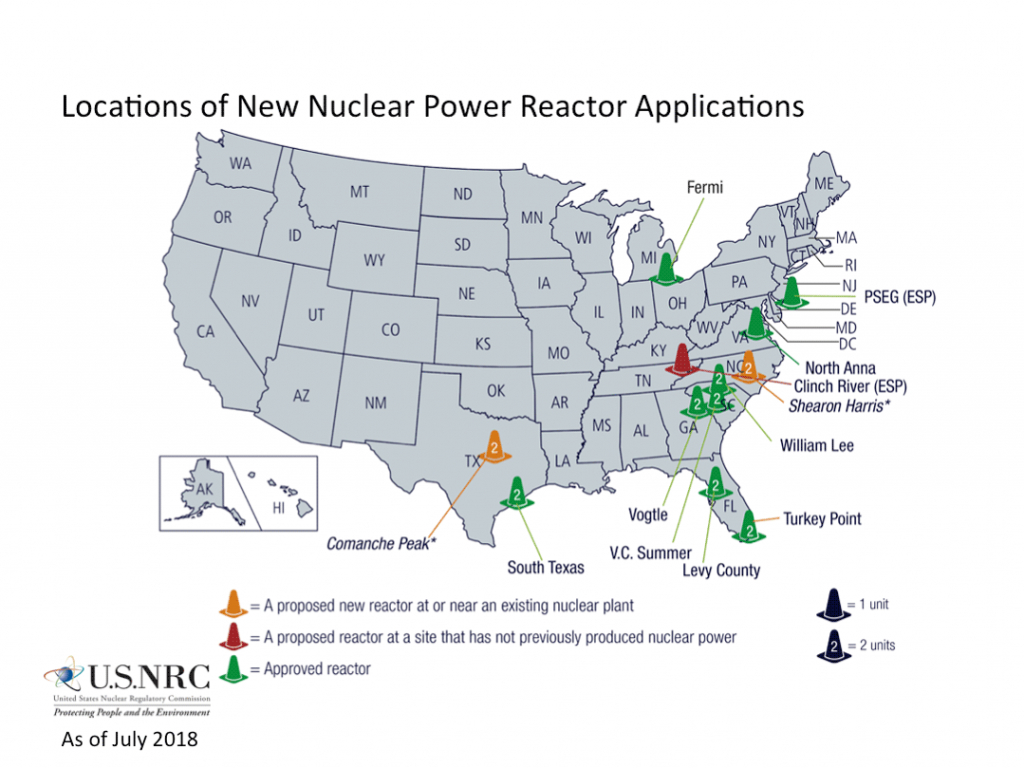
The main one you'll hear about is the South Texas Project (STP) Electric Generating Station. It's located near Bay City, which is about halfway between Galveston and Victoria. Imagine driving down the coast, maybe heading for some beach time, and knowing that somewhere nearby, this power plant is quietly humming along, generating electricity.
It's like that reliable appliance in your kitchen. You might not think about your refrigerator every second of the day, but you’re sure glad it’s there keeping your food cold. The STP is a little like that, but on a much, much larger scale, quietly providing a significant chunk of Texas's power.
Why Should We Care?
Now, you might be thinking, "Okay, cool, Texas has a nuclear plant. So what? I'm just trying to figure out what to have for dinner." But hold on a sec! There are a couple of really important reasons why understanding a little bit about nuclear energy matters, even if you're not a scientist or an engineer.
First, there's the energy independence angle. Think about it: Texas is a major energy producer, but diversifying energy sources, including nuclear, means less reliance on other potentially unstable sources or markets. It's like having a well-stocked pantry. You're not just relying on one grocery store for all your food; you've got options!
Second, there's the environmental factor. Now, I know what you might be thinking: "Nuclear power? Isn't that bad for the environment?" It's a fair question, and it's important to be informed. The beauty of nuclear power is that it doesn't produce greenhouse gasses while it's generating electricity. That's a big deal when we're talking about climate change and reducing our carbon footprint. It's like switching from a gas-guzzling SUV to an electric car – a big step in the right direction.
Isn't Nuclear Power Dangerous?
This is probably the biggest concern most people have. Images of Chernobyl or Fukushima might pop into your head, and that's understandable. Those were terrible events. However, it's important to remember that safety regulations and technologies have come a long way since then. Modern nuclear power plants have multiple layers of safety systems in place.
Think of it like driving a car. There's always a risk, but you have seatbelts, airbags, and traffic laws to minimize that risk. Similarly, nuclear power plants have strict safety protocols, redundant systems, and constant monitoring to prevent accidents.
Furthermore, the waste produced by nuclear power is carefully managed and stored. While the waste is radioactive, it’s contained and doesn't release greenhouse gasses into the atmosphere like fossil fuels do.
The Future of Nuclear in Texas
So, what does the future hold? Well, Texas is always looking for ways to meet its growing energy demands. Nuclear power could play an even bigger role in the years to come. There's talk of building new plants and exploring advanced nuclear technologies, such as small modular reactors (SMRs), which are smaller, potentially more efficient, and easier to construct.
Think of it as upgrading your old phone to the latest model. SMRs are like the sleek new smartphones of the nuclear world – smaller, more efficient, and packed with advanced features.
Ultimately, understanding the role of nuclear power in Texas is about being informed and engaged citizens. It's about understanding the energy landscape, weighing the pros and cons, and making informed decisions about the future of our state. And who knows, maybe one day you'll be driving down the Texas coast and think, "Hey, there's a nuclear power plant helping to keep the lights on for all of us!"
It’s not as scary as it sounds, and it might just be part of a brighter, more sustainable future. So, keep an open mind and stay curious!