Okay, let's talk laundry. Specifically, the unsung hero (or villain?) of the laundry room: the dryer. You're probably thinking, "A dryer? Why should I even care about the *type* of dryer?" Well, my friend, because it can impact your wallet, your clothes, and even the planet! We're diving into the great debate: gas vs. electric dryers. And trust me, choosing the right one can be surprisingly… exciting? (Okay, maybe *slightly* less boring than folding fitted sheets.)
Think about it. Your dryer is a workhorse. It’s there after every wash, ready to take those sopping wet clothes and transform them into fluffy, wearable goodness. But is it doing so efficiently? Is it costing you a fortune? Let's find out!
The Showdown Begins: How They Work
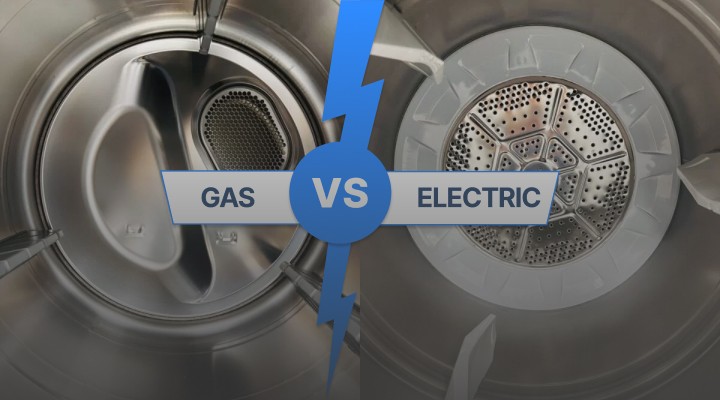
First, a quick science lesson (don't worry, it's the fun kind!). Both gas and electric dryers use heat to evaporate the water from your clothes. The difference lies in how they *generate* that heat.
Electric dryers are pretty straightforward. They use an electric heating element, kind of like a giant toaster oven, to warm the air that tumbles through your clothes. Plug it in, press start, and *voila* – dry clothes (eventually!).
Gas dryers, on the other hand, use natural gas or propane to fuel a burner. This burner heats the air, and that hot air dries your clothes. Think of it like a tiny, controlled campfire in your laundry room (but much safer, I promise!).
The Cost Conundrum: Upfront vs. Long-Term
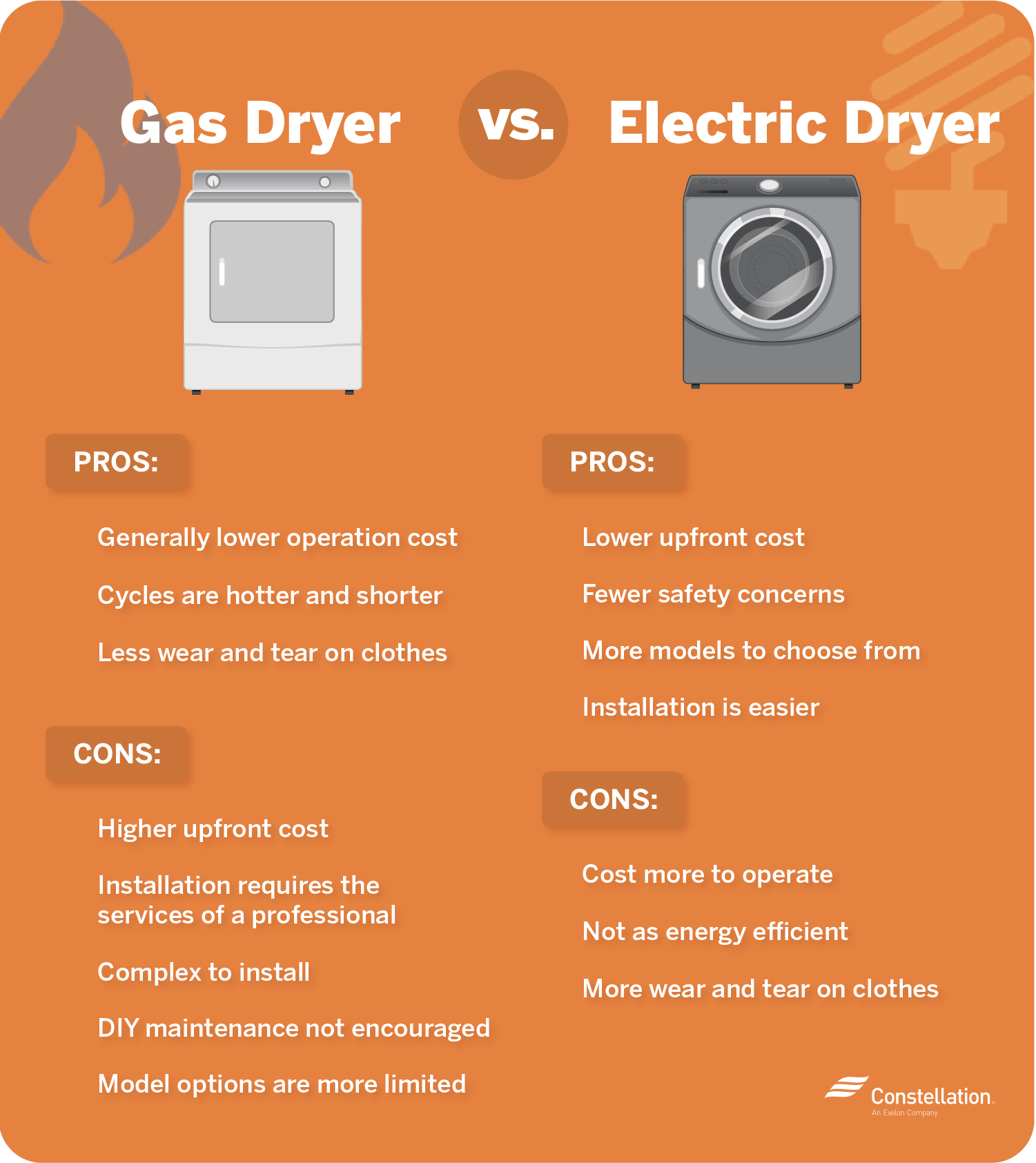
Here's where things get interesting, and where your inner accountant might start twitching. The initial cost of a gas dryer is typically higher than an electric dryer. Ouch! It's like deciding between a basic sedan and a slightly fancier one. You’re paying more upfront for potentially better features.
But hold on! Don't run off and buy that electric dryer just yet. The operating cost is a whole other ball game. Natural gas is generally cheaper than electricity (depending on where you live, of course). So, while you might shell out more money initially for a gas dryer, you could potentially save money in the long run on your utility bills. It’s like buying a car with better gas mileage – you save every time you fill up!
Consider this: Imagine you're baking cookies. An electric oven might take longer to preheat and use more electricity to maintain the temperature. A gas oven often heats up faster and uses less energy overall. Dryers are similar.
Drying Time and Performance: Faster is Better (Right?)
Let's be honest: nobody enjoys doing laundry. The faster we can get it done, the better! Gas dryers tend to dry clothes faster than electric dryers. They generate heat more quickly, which means less time waiting for your favorite jeans to be ready.
Think of it this way: you're trying to dry your hair before rushing out the door. A high-powered hairdryer (gas dryer) will get the job done much faster than a lower-wattage one (electric dryer). That extra time could be the difference between making it to your meeting on time and… well, let's not talk about that!
Some people argue that the gentler heat of electric dryers is better for delicate fabrics. However, modern gas dryers often have advanced sensors and temperature controls to prevent overheating and damage. It really comes down to choosing the right settings and caring for your clothes properly, regardless of the dryer type.
Installation Considerations: Are You Ready for Gas?
Here's a crucial point that often gets overlooked: installation. Electric dryers are usually a breeze to install. Just plug them into a standard 240-volt outlet, and you're good to go.
Gas dryers, however, require a gas line. If you don't already have one in your laundry room, you'll need to hire a qualified technician to install it. This can add to the overall cost and complexity of the installation. It's like adding a new plumbing fixture – you need a professional!
Also, gas dryers require proper ventilation to exhaust the fumes safely. Make sure your laundry room is properly ventilated to avoid any potential hazards.
The Environmental Angle: Going Green (or Greener)
For the eco-conscious among us, the environmental impact is a key consideration. While both types of dryers consume energy, gas dryers can sometimes be considered slightly more environmentally friendly because natural gas often produces fewer greenhouse gas emissions than the electricity generated by burning fossil fuels (depending on your local power grid, of course!).
However, the difference is often negligible, and the most sustainable option is always to use your dryer less! Line drying your clothes is the ultimate eco-friendly choice, and it's free! Plus, sunshine is a natural disinfectant and brightener. Think of it as a free spa treatment for your clothes!
So, Which One Should You Choose?
Ultimately, the best choice for you depends on your individual circumstances and priorities. Consider these factors:
- Budget: What's your upfront budget? Are you willing to invest more initially to potentially save money in the long run?
- Location: Do you have a gas line in your laundry room? If not, are you willing to pay for installation?
- Usage: How often do you do laundry? If you do laundry frequently, the faster drying time and lower operating costs of a gas dryer might be worth it.
- Environmental concerns: Are you committed to minimizing your carbon footprint?
No matter which type of dryer you choose, remember to maintain it properly to ensure its longevity and efficiency. Clean the lint trap after every load, and have it professionally serviced periodically. A little maintenance can go a long way in keeping your dryer running smoothly and saving you money.
Choosing a dryer isn't the most glamorous decision you'll ever make, but it's an important one that can impact your wallet, your time, and the environment. So, do your research, weigh your options, and choose the dryer that's right for you. Happy drying!