
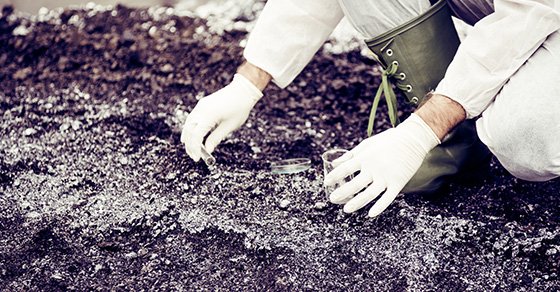
Alright, folks, gather 'round! Let's talk about something thrilling... taxes! (I know, I know, hold your applause.) But seriously, this is about the intersection of taxes and saving the planet, which is way more exciting than, say, watching paint dry. We're diving into the murky waters of whether you can actually deduct your environmental cleanup costs as a business expense. Think of it as a superhero origin story, but with spreadsheets.
So, picture this: you're running a business. Maybe you own a dry cleaning shop, a manufacturing plant that makes novelty rubber chickens (hey, someone's gotta do it!), or perhaps a highly successful lemonade stand empire (good for you!). Suddenly, *bam!*, environmental issues rear their ugly head. Turns out, your rubber chicken factory is leaking slightly radioactive chicken feed into the local creek. Uh oh.
The Dreaded "Environmental Cleanup" – Expense or Investment?
Now, the question becomes: Can you write off the cost of cleaning up that chicken feed as a business expense? The IRS, bless their bureaucratic hearts, isn't always straightforward. They tend to look at environmental cleanup costs on a case-by-case basis. It all boils down to whether the cleanup is considered an expense or a capital improvement.
If it's an expense, you can deduct it in the year you incur it. Woohoo! Think of it like buying coffee for your employees. Necessary, probably makes them more productive (or at least less likely to complain about the radioactive chicken feed situation), and deductible.
However, if the IRS deems it a capital improvement, things get stickier than a spilled vat of chicken feed (sorry, couldn't resist). A capital improvement is something that significantly increases the value or useful life of your property. So, if cleaning up the chicken feed somehow turns your creek into a pristine, trout-filled paradise, making it more valuable, the IRS might see that as an investment. And investments, my friends, usually have to be depreciated over time. Depreciating expenses is like slowly feeding someone a plate of cookies one crumb at a time. Sure, they get the cookies eventually, but it's way less satisfying than just handing them the whole darn plate.
The Magic Words: "Incidental Repair" and "Present Condition"
Here's where the legal mumbo-jumbo starts flying. To get that coveted "expense" designation, you generally need to argue that the cleanup is an "incidental repair" that simply returns the property to its "present condition" *before* the environmental hazard. In our chicken feed scenario, this means arguing that you're just cleaning up the mess to get back to the *slightly less* radioactive creek you had before. You're not turning it into a luxury resort for trout, just making it safe-ish for the local ducks. That's the key!
For example, let's say the cleanup involves digging up contaminated soil. If you replace that soil with identical, non-contaminated soil and the purpose is simply to restore the property to its previous state, it's more likely to be considered a deductible expense. But if you decide to build a state-of-the-art bioremediation system that cleans the water better than bottled spring water, that's probably a capital improvement. (Although, selling purified creek water might be a lucrative side hustle...).
Here's the Kicker: "Polluter Pays" Principle
Now, hold onto your hats! There's also the pesky little detail of who caused the pollution. If you were the one who spilled the radioactive chicken feed in the first place (oops!), you're more likely to be able to deduct the cleanup costs as a business expense, assuming it meets the "incidental repair" criteria. This is because the cleanup is directly related to your business operations. The IRS operates on the assumption that someone has to pay to clean up the mess. Also, think of it as karma balancing your ledgers.
But, if you bought the property knowing it was already contaminated, things get complicated. The IRS might argue that the cleanup costs are part of the purchase price of the property. In that case, you'd have to add those costs to the basis of the property, which basically means you can only recover them when you sell the property. Bummer.
The *really* crazy part? If someone else polluted your property and you're cleaning it up, you *might* be able to deduct the costs. The IRS might see this as protecting your business assets. Go figure!
So, Can You Deduct It? (The Million-Dollar Question)
Ultimately, there's no easy "yes" or "no" answer. It depends on a whole bunch of factors. The best advice? Consult with a tax professional who specializes in environmental issues. They can analyze your specific situation and help you navigate the labyrinthine world of tax law. Think of them as your Yoda in the swamp of IRS regulations.
And remember, even if you can't deduct the full cost, you might be able to take advantage of other environmental tax incentives. There are often government programs designed to encourage businesses to clean up pollution. It’s always a good idea to research any available credits or grants.
So, there you have it. Environmental cleanup costs: potentially deductible, potentially not. As with most things tax-related, it's complicated. But hey, at least you're trying to save the planet, even if it's just from slightly radioactive chicken feed. And who knows, maybe that'll be deductible too. Good luck out there!



.jpg)