Ever wondered how your car magically powers your phone charger on those epic road trips? Or how that emergency power bank keeps your Netflix marathon going when the lights go out? The unsung hero behind these everyday miracles is a nifty little device called an inverter!
Now, the name might sound intimidating, like something straight out of a sci-fi movie. But trust me, the concept is surprisingly simple. Think of it as a translator, a linguistic guru, or maybe even a caffeine-addicted editor, furiously flipping things around to make them work together. What it’s translating is electricity, specifically the difference between Alternating Current (AC) and Direct Current (DC).
AC/DC: It's Not Just a Band!
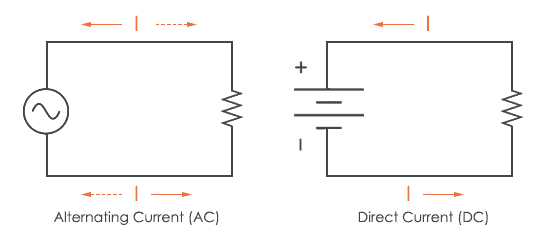
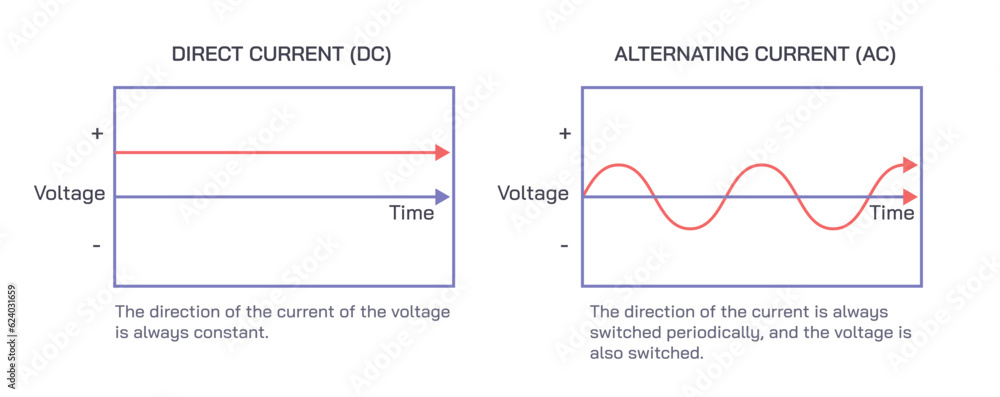
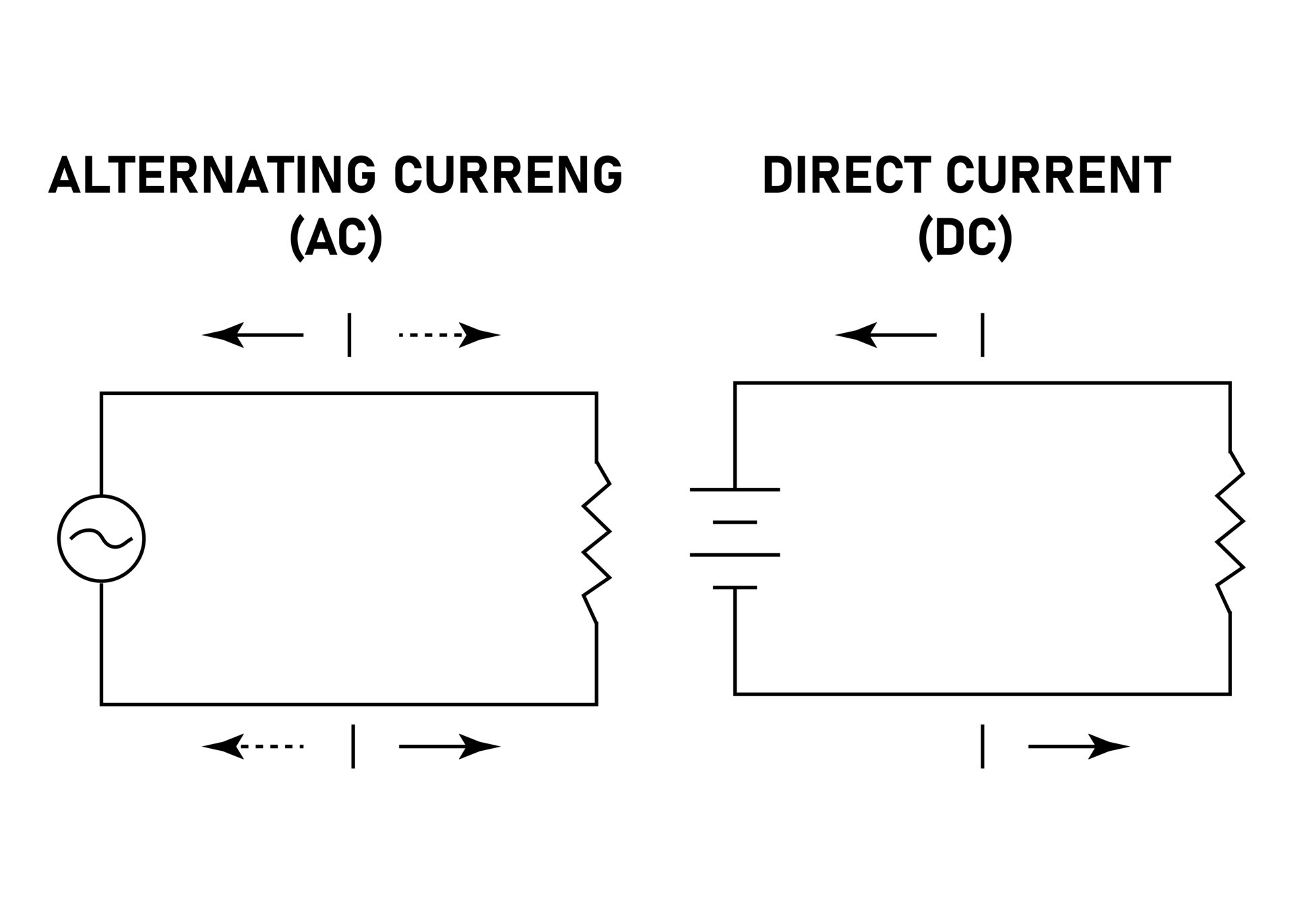
Okay, so remember learning about electricity in school? (Or maybe you just vaguely remember hearing the terms.) Let's break it down. AC, or Alternating Current, is the type of electricity that comes blasting out of your wall socket at home. Imagine it as a hyperactive electron doing the electric slide, constantly changing direction, like a caffeinated toddler at a disco party.
On the other hand, DC, or Direct Current, is more…well, direct! Think of it as a single-minded electron, marching purposefully in one direction, like a disciplined soldier on parade. Batteries, like the ones in your phone, laptop, and car, all use DC.
So, why the difference? Well, AC is super efficient for sending power over long distances. Think of it like a relay race: constantly changing direction allows the electrons to pass the "energy baton" down the line more effectively. That's why your power company uses AC to get electricity all the way from the power plant to your toaster.
The Inverter: The Great Translator
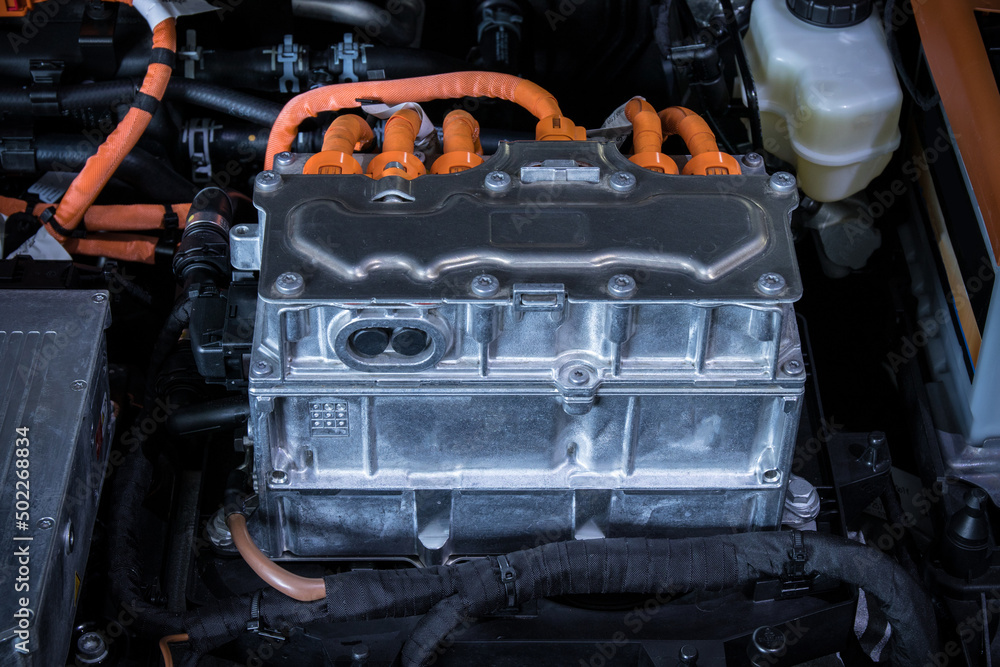
Here's where our star player, the inverter, comes in. Many of our favorite devices (laptops, phones, some lights) use DC power. But you plug them into an AC wall outlet! How does that work? The inverter takes the AC electricity from your wall and converts it into DC electricity that your device can happily use. It’s like having a tiny, tireless electrician living inside your charger, constantly flipping the switch from AC to DC.
Imagine trying to fit a square peg (AC) into a round hole (DC device). It's just not going to work! The inverter is the masterful carpenter that reshapes the square peg into a round one, making everything fit perfectly.
Examples in the Wild (and Not-So-Wild)
Let's look at some real-world scenarios:
- Car Power Inverter: Ever plugged your laptop into your car's cigarette lighter (or, more likely, a USB adapter that plugs into the cigarette lighter)? That little device has an inverter inside! It takes the DC power from your car's battery and converts it into AC, which can then be converted back to DC by your laptop charger. It's like a double translation, but hey, it works!
- Solar Panels: Solar panels generate DC electricity, but your home runs on AC. So, a solar inverter is essential to convert the DC power from the panels into AC power that you can use to run your lights, TV, and refrigerator. Think of it as a green energy transformer, turning sunshine into usable electricity.
- Emergency Power Banks: When the power goes out, your power bank, packed with DC batteries, can power your phone. Some can even power small appliances. Again, inside this device you can be sure there is an inverter.
The inverter, despite its complex-sounding name, is essentially a friendly bridge between two different electrical worlds: the world of AC and the world of DC. It takes the electron disco party and turns it into an electron parade, or vice versa, depending on what's needed.
So, next time you're charging your phone in your car or running your house off solar power, take a moment to appreciate the unsung hero that makes it all possible: the humble, yet mighty inverter. It might not be as flashy as a sports car or as trendy as a new gadget, but it's a crucial piece of technology that keeps our modern world humming along. And who knows, maybe you'll even start seeing the world in terms of AC and DC!