Ever looked at a skyscraper and thought, "Wow, that's strong!" Or maybe admired a sleek sports car zooming down the road? Chances are, alloy steels are playing a starring role. These aren't your garden-variety steels. They're the superheroes of the metal world, and their secret weapon? Extra ingredients!
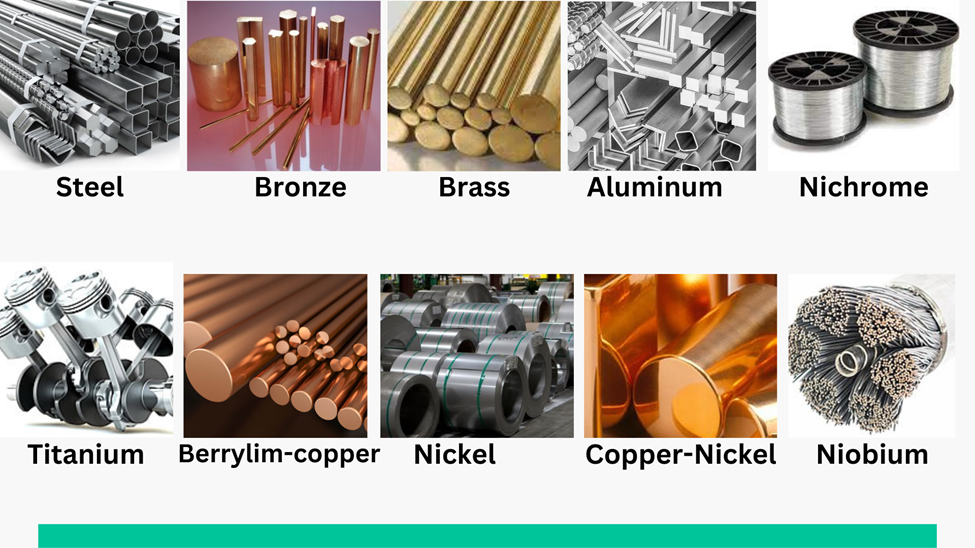
Think of regular steel as plain vanilla ice cream. Delicious, sure. But what if you could add chocolate chips, nuts, caramel swirls... the possibilities are endless! That's what alloying elements do to steel. We're talking about adding other metals, like chromium, nickel, molybdenum, and more. And in alloy steels, we're talking about adding them in bigger amounts!
Why the Extra Dose of Awesome?
So, why not just sprinkle a little bit of extra stuff in? Because sometimes, you need serious power. Imagine trying to build that skyscraper with flimsy materials. Or designing a race car that can barely handle a pothole. Disaster! Alloy steels are designed to withstand extreme conditions.
Adding larger proportions of alloying elements drastically changes the steel's properties. It's like giving it a serious upgrade. Suddenly, it can resist corrosion like a champ. Think bridges that brave salty air or pipelines carrying corrosive materials. No problem for alloy steels!
Or maybe you need something incredibly strong and tough. Like the gears in a powerful engine. Alloy steels can handle immense pressure and wear and tear. They're the workhorses that keep our machines running smoothly.
And let's not forget heat resistance. Some alloy steels can maintain their strength even at scorching temperatures. This is crucial for things like jet engines, where things get seriously hot.
The Superpowers of Alloy Steels
Let's break down some of these superpowers, shall we?
- Increased Hardness: Makes the steel resistant to scratching and indentation. Think of heavy-duty tools that can handle any job.
- Improved Strength: Allows the steel to withstand greater stress without breaking. This is essential for load-bearing structures and high-performance equipment.
- Enhanced Corrosion Resistance: Protects the steel from rust and other forms of degradation. Perfect for marine environments and chemical processing plants.
- Greater Toughness: Makes the steel more resistant to cracking and impact. Important for applications where sudden forces are involved.
- Better Heat Resistance: Allows the steel to maintain its properties at high temperatures. Critical for engines, furnaces, and other high-heat applications.
Where Do We Find These Metal Marvels?
You're surrounded by alloy steels, even if you don't realize it. From the cars we drive to the tools we use, they're everywhere! Think about:
- Automobiles: Engines, transmissions, suspension components – all rely on the strength and durability of alloy steels.
- Aerospace: Aircraft landing gear, engine parts, and structural components all benefit from the high-performance properties of these materials.
- Construction: Bridges, buildings, and other infrastructure projects use alloy steels for their exceptional strength and resistance to corrosion.
- Manufacturing: Cutting tools, dies, and molds made from alloy steels are essential for producing a wide range of products.
- Energy: Oil and gas pipelines, power plants, and wind turbines all rely on the reliability of these materials.
Basically, if something needs to be strong, durable, and able to withstand harsh conditions, there's a good chance alloy steel is involved.
So, What's the Catch?
Well, nothing's perfect, right? Alloy steels can be more expensive to produce than regular steel. Adding those extra ingredients costs money! And sometimes, the added elements can make the steel more difficult to weld or machine.
But in many cases, the benefits far outweigh the costs. When you need a material that can handle extreme conditions and provide long-lasting performance, alloy steels are often the best choice.
So next time you see something incredibly strong or durable, remember the unsung hero: alloy steel, the ice cream with all the extra toppings! It's a testament to human ingenuity and our ability to engineer materials for amazing feats.
Who knew metal could be so...entertaining?