Okay, let's talk about non-renewable resources. You know, the stuff that makes our cars go "vroom," keeps our lights on, and generally fuels our modern lives. Think of them like that super popular band in high school – everyone loves them, but you know they're eventually going to break up (or, in this case, run out).
The Good Stuff: Why We're Hooked
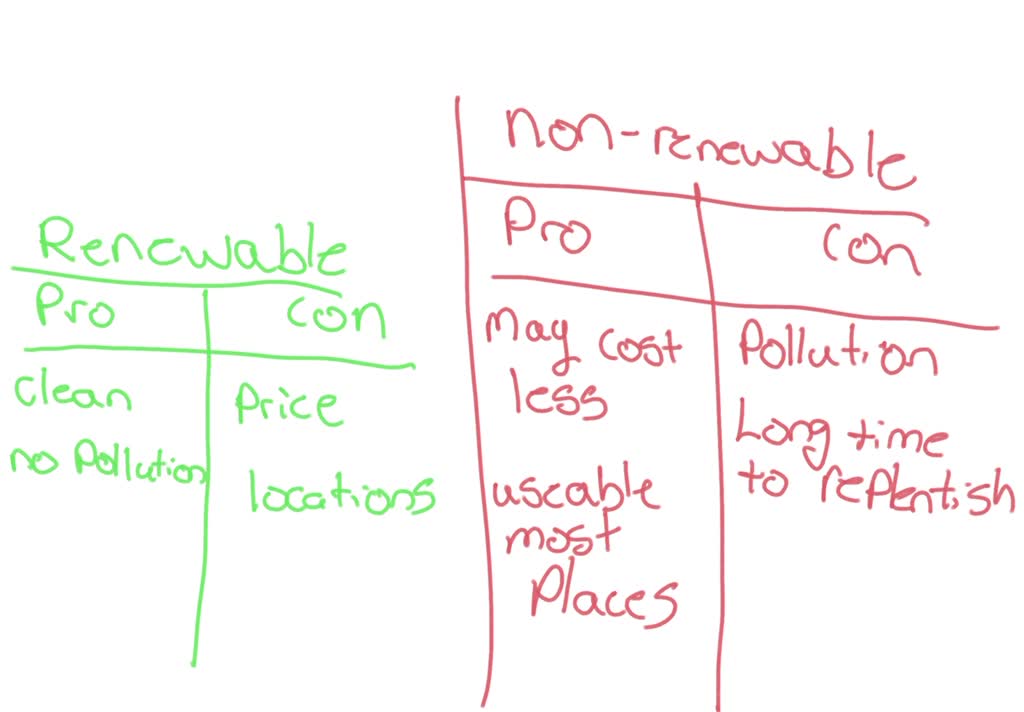
First, the advantages. These resources, primarily fossil fuels like coal, oil, and natural gas, have been the workhorses of energy production for ages. They're like the reliable, if slightly grumpy, grandparent who always has a tenner in their pocket.
Energy Density: Imagine trying to power a car with a hamster wheel. Cute, but not exactly efficient, right? Non-renewable resources are incredibly energy-dense. A little bit of coal or oil packs a serious punch, meaning you can generate a lot of electricity or move a lot of vehicles with a relatively small amount. It's like having a tiny, powerful energy bomb.
Infrastructure: We've spent decades, even centuries, building pipelines, power plants, and refineries all geared towards using these fuels. It's a massive, well-oiled (pun intended!) machine. Changing that machine is like trying to teach your cat to do algebra – possible, maybe, but a whole lot of effort.
Affordability (Sometimes!): Historically, these resources have been relatively cheap and accessible. This made them a cornerstone of economic growth and improved living standards for many. Think of it as the difference between buying a pizza and catching your own dinner – one is significantly easier (and cheaper in the short term).
"Fossil fuels powered the industrial revolution and brought us many of the conveniences we enjoy today," notes Professor Eleanor Vance, a leading energy expert. "They've been a crucial part of our development."
The Not-So-Good Stuff: The Downside
Now for the disadvantages. This is where our popular band starts to show its true colors... and they’re not exactly pretty.
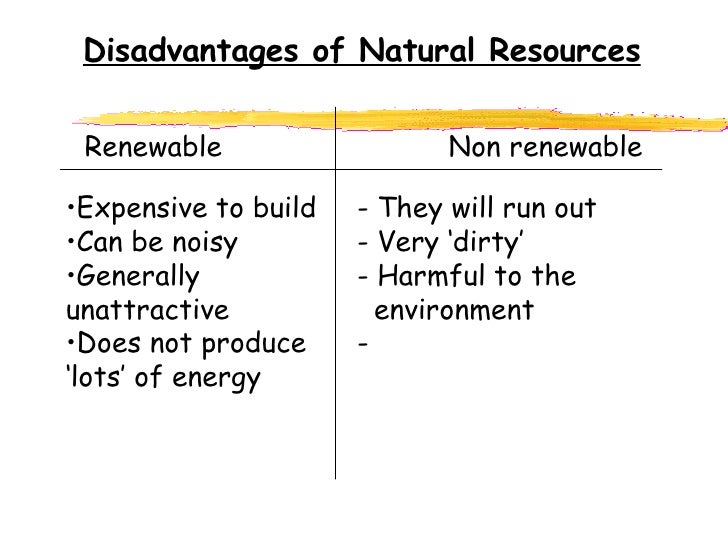
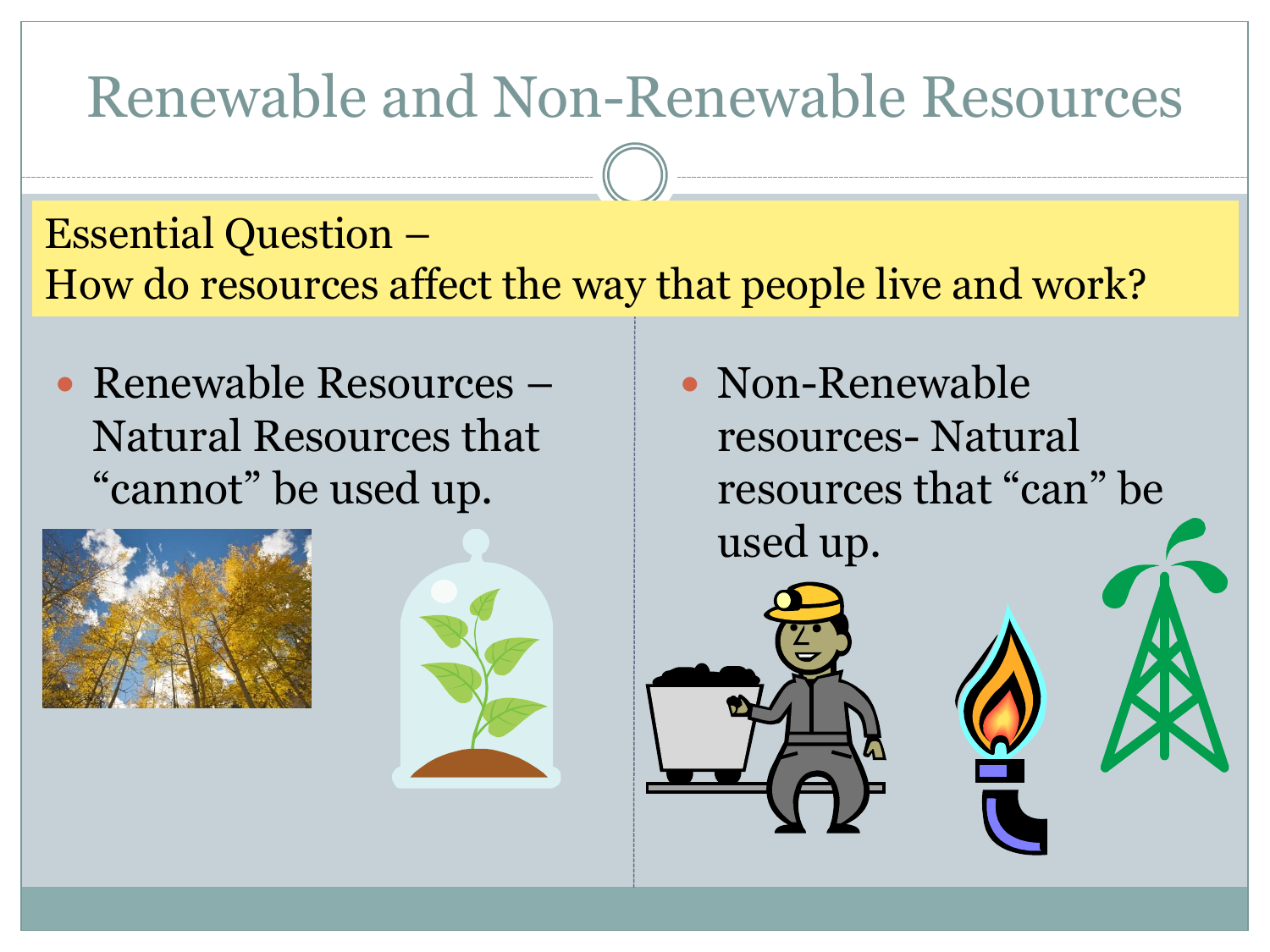
Finite Supply: This is the big one. The name "non-renewable" gives it away, doesn't it? These resources are limited, like a chocolate bar that you know you'll eventually finish. We're using them up faster than they can be replenished by Mother Nature (who, let's face it, isn't exactly known for her speed these days).
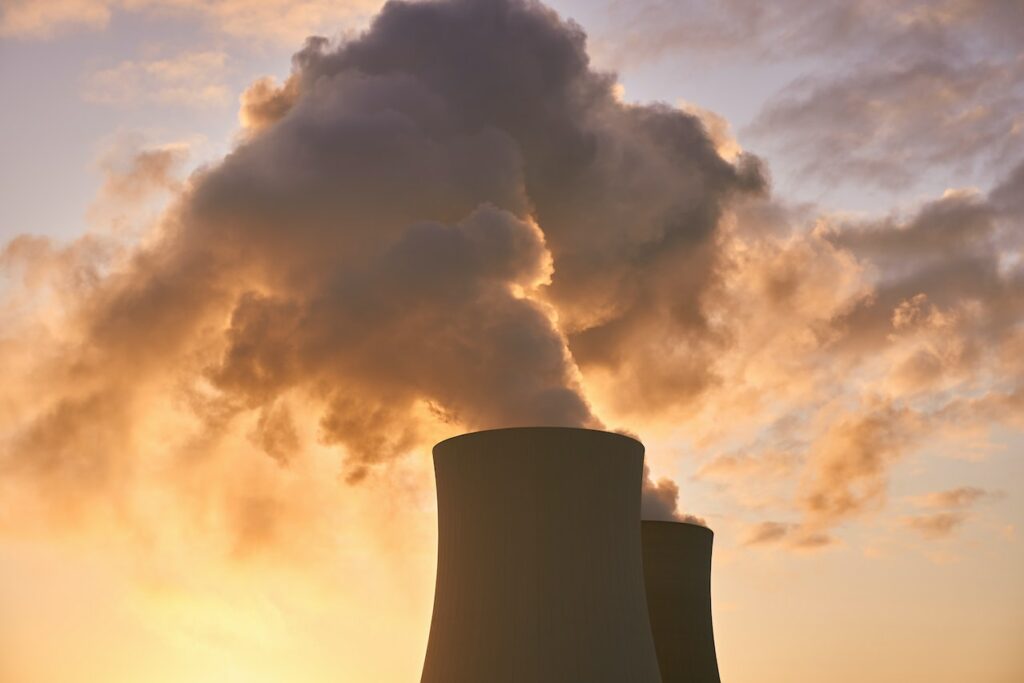
Environmental Impact: Oh boy, where do we even start? Burning fossil fuels releases greenhouse gases, contributing to climate change. Think melting ice caps, extreme weather events, and generally a less-than-ideal future for penguins. It's like accidentally setting off a smoke bomb in your living room – fun for a second, terrible for everything else.
Plus, there are oil spills, coal mining disasters, and air pollution, all of which have devastating consequences for ecosystems and human health. Imagine a toddler having a tantrum with a permanent marker – the results are messy and long-lasting.
Geopolitical Issues: The distribution of these resources isn't exactly even. Some countries are swimming in oil, while others have to import every drop. This can lead to political instability, conflicts, and generally a lot of international tension. It's like that awkward moment when you realize your best friend has a massive inheritance and you're still figuring out how to pay rent.
Long-Term Costs: While these resources might seem cheap now, the long-term costs – from climate change to health problems – are enormous. It’s like buying a super cheap car that constantly needs repairs; eventually, it's going to cost you more than a reliable option.
The Moral of the Story?
Non-renewable resources have been essential to our development, but they come with a hefty price tag. While they're convenient and familiar, we can't ignore the environmental and social consequences. It's time to start exploring alternative energy sources and transition to a more sustainable future. Think of it as breaking up with that toxic band and finding a new one that's actually good for you (and the planet!). We need a new encore, and this time, it needs to be green.