Energy, energy, everywhere! We flip a switch, drive a car, and cook a meal without often thinking about where all that power comes from. But it's a pretty fascinating topic, and understanding the sources behind our energy consumption is more important than ever. Today, we're diving into the world of non-renewable energy sources – the good, the bad, and everything in between. Whether you're a total beginner just curious about the buzz, a family looking to make more informed choices, or a hobbyist tinkering with energy-efficient projects, there's something here for you!
So, what exactly are non-renewable energy sources? Simply put, they're resources that are being used up faster than they can be replenished naturally. Think of it like this: a slice of cake. You can eat it, but once it's gone, it's gone (unless you bake another one!). Common examples include coal, oil (petroleum), natural gas, and uranium (for nuclear power).
Why do we use them? Well, for starters, they've been relatively cheap and readily available for a long time. The infrastructure to extract, process, and distribute them is well-established. This translates to a (historically) lower cost for consumers. For families, that means keeping the lights on and the car running. For hobbyists, it can mean powering those cool DIY projects without breaking the bank.
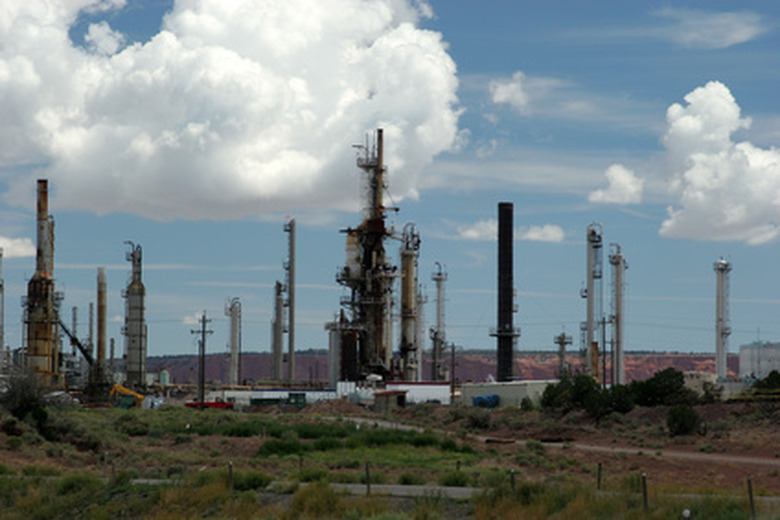
Also, non-renewable sources are often very energy-dense. This means they can pack a lot of power into a small package. Oil, for example, is used to fuel airplanes, which require a tremendous amount of energy to stay airborne. Coal and natural gas are used in many power plants that provide a consistent supply of electricity to millions of homes and businesses. The benefit is reliability. Non-renewable sources can be burned or used to create energy regardless of the weather, time of day, or the season.
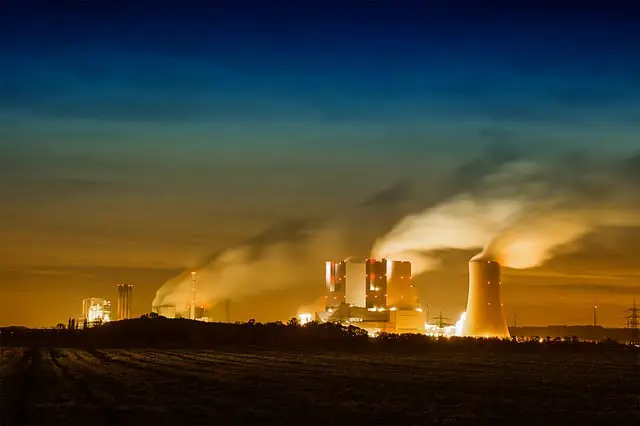
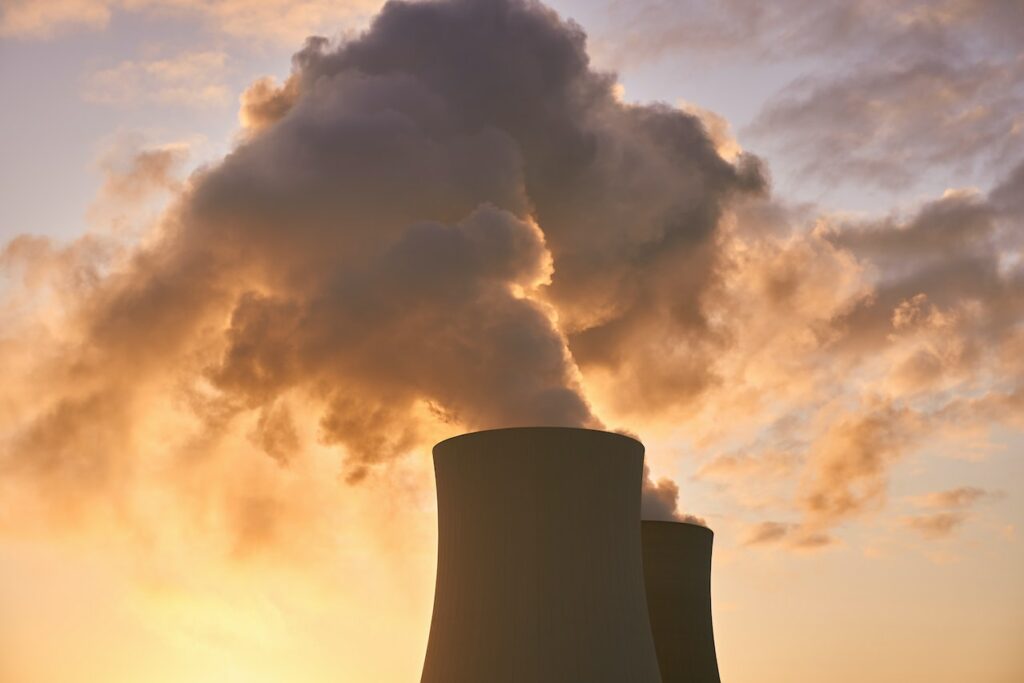
Now, for the downsides. The biggest issue is that they're... well, non-renewable! Eventually, we'll run out. This isn't a 'maybe someday' scenario, but a real concern that impacts future generations. More immediately, the extraction and burning of these fuels release harmful pollutants into the air and water. Coal-fired power plants are notorious for air pollution, and oil spills can devastate ecosystems.
Another disadvantage is the geopolitical aspect. The uneven distribution of these resources across the globe can lead to political instability and conflicts. Countries reliant on imports are vulnerable to price fluctuations and supply disruptions. For beginners, it's easy to see that dependence on fossil fuels is not sustainable.
Okay, so what can you do about it? Even small changes can make a difference! Here are some practical tips:
- Reduce your energy consumption: Turn off lights when you leave a room, unplug electronics when not in use, and use energy-efficient appliances.
- Consider renewable energy options: If possible, explore solar panels for your home.
- Support policies that promote renewable energy: Advocate for government investments in clean energy technologies.
Understanding the advantages and disadvantages of non-renewable energy sources empowers us to make more informed choices. It's a complex issue, but by taking small steps and supporting broader changes, we can contribute to a more sustainable future. Exploring this topic can spark fascinating conversations and lead to positive changes in our own lives and the world around us!