Okay, picture this: I'm visiting my grandma in a small town. Sweet lady, but her house? Heated by an ancient coal furnace. The whole place smells faintly of...well, let's just say it's a unique aroma. That got me thinking – coal! It's been powering stuff for ages, but is it really worth it in this day and age? Turns out, like most things, it's got its ups and downs. Let's dive in, shall we?
The thing about coal is that it's been a major player in the energy game for a long, long time. It's like the grandpa of power sources. So, what makes it so appealing?
The Good Stuff: Coal's Advantages
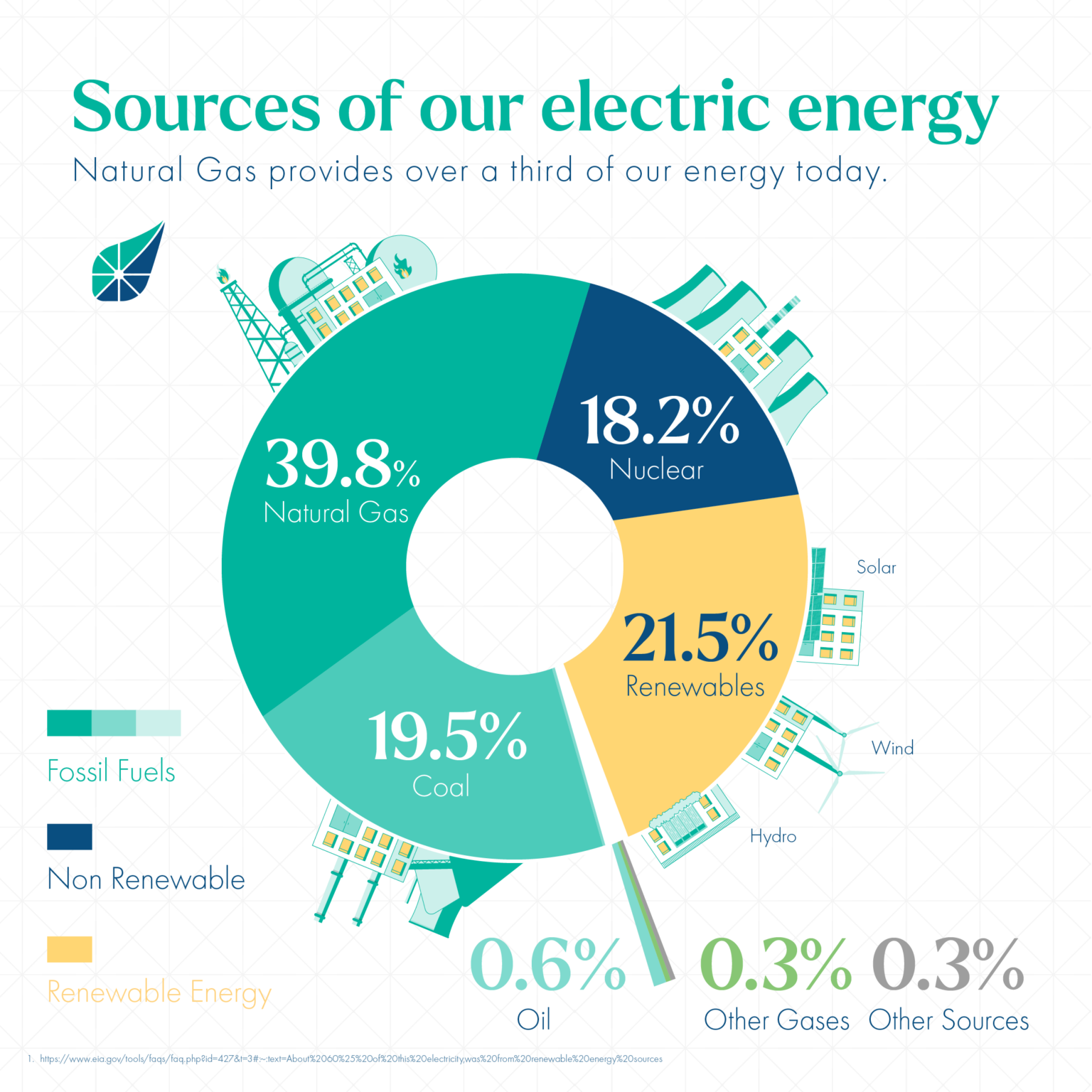
First off, availability. Coal is abundant, people. We've got tons of it, especially in places like the US, Russia, and China. No need to worry about running out anytime soon...which is kinda good, but also maybe a problem (we'll get to that later). Unlike solar or wind, you don't need the sun to shine or the wind to blow. Coal's always ready to go. That’s one less thing to worry about, right?
Secondly, it's relatively cheap. Mining coal and turning it into electricity is a pretty well-established process, meaning the costs are usually lower compared to fancier renewables. This translates to potentially cheaper electricity bills for consumers. Everyone loves a good deal!
And then there’s the infrastructure. We already have tons of power plants designed to burn coal. Switching to entirely new systems would cost a fortune. So, using coal allows us to leverage existing investments, which, to be honest, is just practical. Why reinvent the wheel, eh?
Uh Oh, Here Come the Downsides: Disadvantages of Coal
Alright, now for the not-so-rosy side of things. Let’s be blunt: coal is a major contributor to pollution. When burned, it releases a whole cocktail of nasties into the atmosphere, including carbon dioxide (a greenhouse gas linked to climate change), sulfur dioxide (which causes acid rain), and particulate matter (which can mess with your lungs). Not exactly the kind of cocktail you want to be drinking, is it?
The mining process itself isn't exactly a walk in the park either. Mining can be dangerous for workers, and it can also cause significant environmental damage, like habitat destruction and water pollution. Surface mining, in particular, leaves massive scars on the landscape. Think giant holes in the ground. Pretty, right?
And let's not forget about ash disposal. Burning coal leaves behind a lot of ash, which contains heavy metals and other toxins. Disposing of this ash safely is a challenge and can lead to further environmental contamination if not done properly. It's like cleaning up after a particularly messy party... only the party never ends.
Finally, while coal is abundant *now*, it's a finite resource. Eventually, we're going to run out. So, relying solely on coal isn't exactly a sustainable long-term strategy. Plus, what happens when Grandma's furnace finally gives out?
So, What's the Verdict?
Coal is like that old, reliable friend who's always there for you, but who also smokes like a chimney and leaves a mess wherever they go. It's cheap and readily available, but it comes with a hefty environmental price tag.
Ultimately, the decision of whether or not to use coal is a complex one with economic, environmental, and social implications. We need to weigh the benefits against the risks and consider the alternatives. Maybe it's time to nudge Grandma towards a more eco-friendly heating system…and maybe, just maybe, it's time for us to reconsider our own reliance on this old-school energy source. Just sayin'.