Okay, so you're thinking about ditching that big, round, sometimes-rumbling dinosaur in your basement – you know, your traditional water heater – for a sleek, modern, on-demand, tankless marvel. Good for you! You're about to enter a world of endless hot showers... or maybe a world slightly less hot than you imagined. Let's dive into the quirky pros and cons of these contraptions.
The Perks: Hot Water Nirvana (Almost)
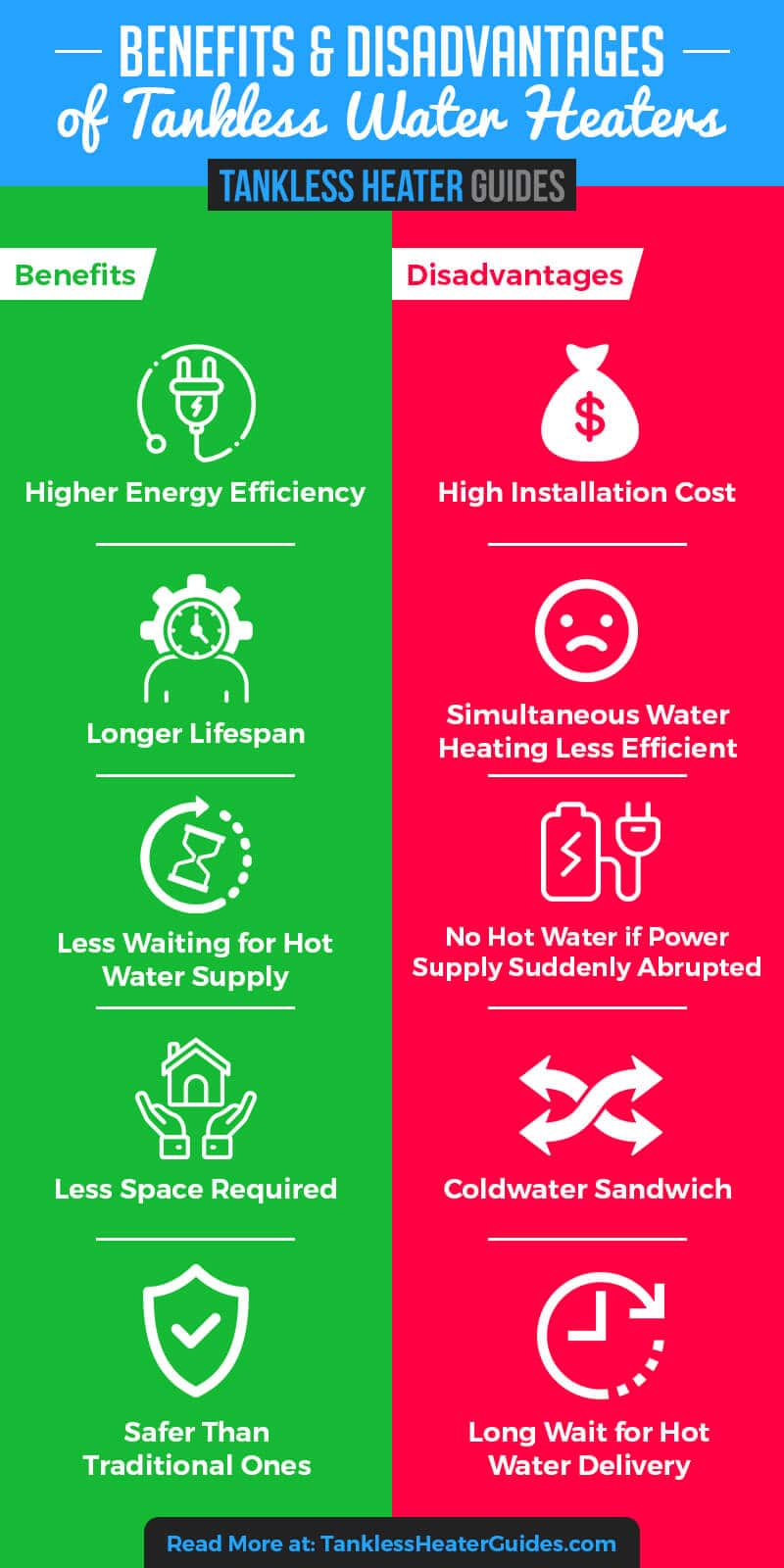
Imagine this: it’s a Monday morning. Your teenager has already hogged the shower for a solid hour, experimenting with the perfect hair gel application. Normally, you'd be facing an icy rinse. But with a tankless system? Endless. Hot. Water. Theoretically. This is probably the biggest draw. No more scheduling showers or bracing yourself for the dreaded cold surprise. You can finally sing your power ballads at full volume without the fear of turning into a human popsicle.
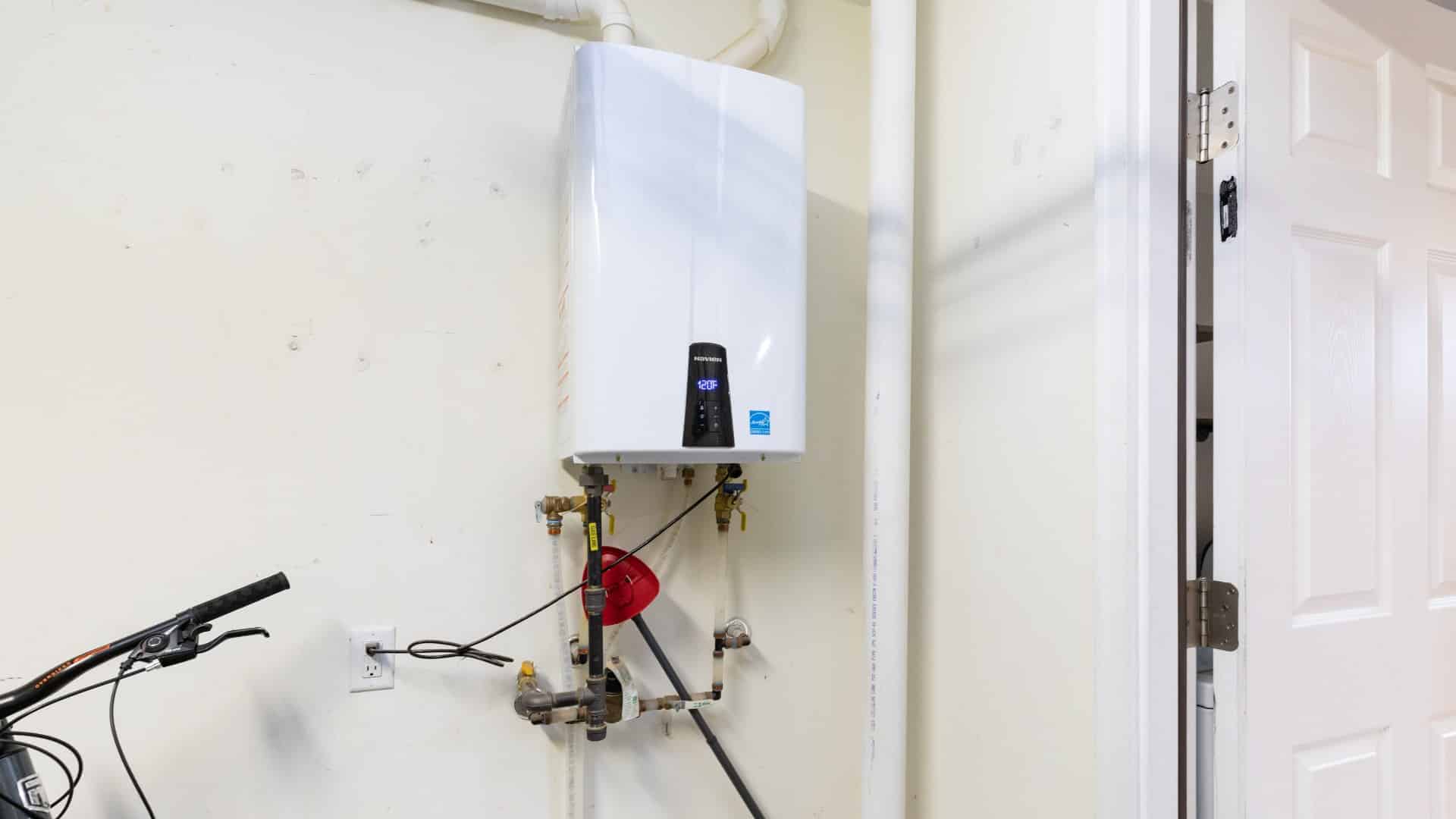
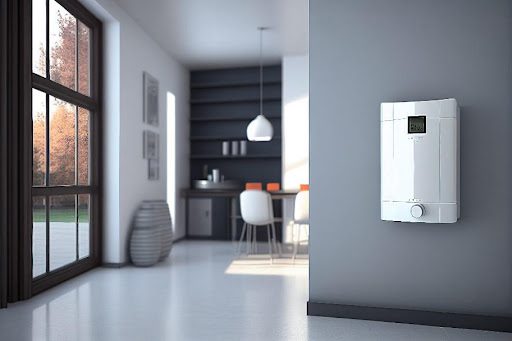
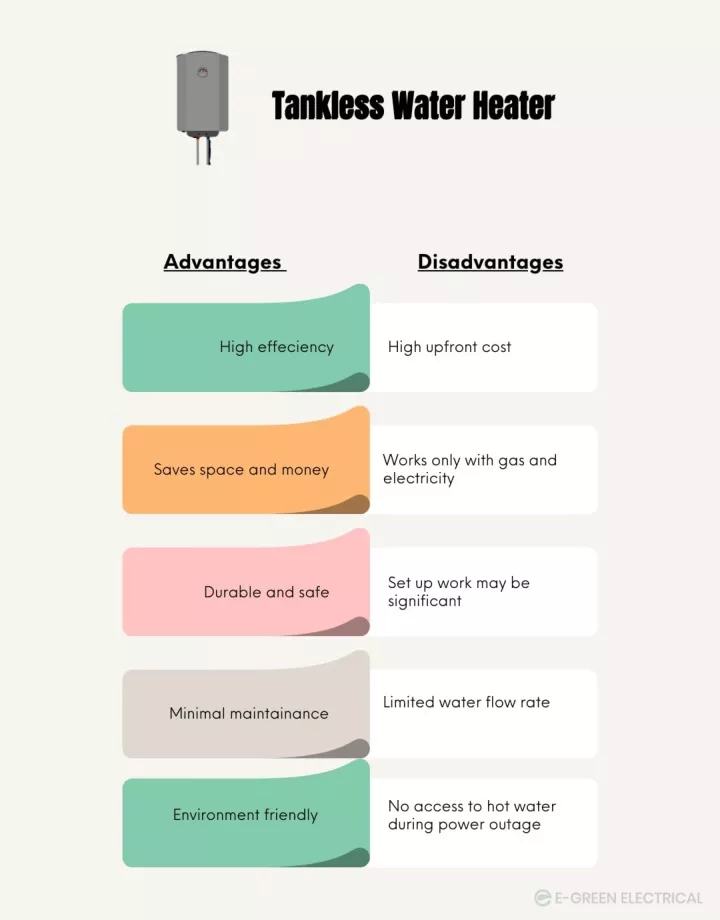
Then there's the space-saving aspect. Tankless units are roughly the size of a suitcase (a small one, not the "I'm packing for a month in Europe" kind). That frees up valuable real estate in your basement for… well, for whatever you want! A home gym? A miniature golf course? The possibilities are endless! Okay, maybe not a golf course. But still, more space!
And let's not forget about efficiency. Traditional water heaters are constantly reheating water, even when you're not using it. That's like leaving your car idling for eight hours while you're at work. Tankless heaters, on the other hand, only heat water when you need it. This can lead to significant energy savings over time, putting more money back in your pocket. Think of all the extra lattes you can buy!
Finally, tankless heaters tend to last longer than their tank-based brethren. We're talking potentially 20 years or more! That's like, a lifetime in water heater years. It's like getting a new puppy that doesn't age. (Okay, maybe not that great. Puppies are awesome.)
The Quirks: Reality Bites (Sometimes)
Alright, let's temper that hot water utopia with a dose of reality. While the promise of endless hot water is enticing, there's a catch. Tankless heaters have a flow rate. This means they can only heat a certain amount of water at a time. If you're running the shower, washing dishes, and doing laundry simultaneously, you might experience a temperature dip. Think of it as the water heater politely suggesting you stagger your household chores.
Installation can also be a bit of a beast. You might need to upgrade your gas line or electrical panel to handle the increased power demands of a tankless unit. This can add a significant chunk of change to the initial cost. It's like buying a fancy sports car and then realizing you need to build a special garage for it.
Speaking of cost, tankless heaters are generally more expensive upfront than traditional models. While you'll save money on energy bills in the long run, the initial investment can be a hurdle. You have to do the math and decide if the long-term savings outweigh the immediate expense. It’s a bit like deciding whether to buy that expensive organic kale or stick with the regular stuff.
And then there's the "cold water sandwich." This happens when you turn on the hot water, get a burst of cold water, then the hot water finally arrives, and then you might get a little blip of cold at the end again. It's like the water heater is playing a practical joke on you. It’s usually very short, but it's something to be aware of.
Finally, if the power goes out, so does your hot water. Traditional water heaters can still provide a limited amount of hot water during a power outage, but tankless heaters are completely dependent on electricity. So, if you live in an area prone to power outages, you might want to consider a backup plan – like a very large kettle and a lot of patience.
The Verdict: Is Tankless Right for You?
Choosing between a tankless and a traditional water heater is a personal decision. There's no one-size-fits-all answer. Consider your hot water needs, your budget, and your tolerance for potential quirks. If you have a large family and multiple bathrooms, a tankless system might be a lifesaver (and a sanity-saver). If you're a single person living in a small apartment, a traditional water heater might be just fine.
Talk to a qualified plumber. Get multiple quotes. Do your research. And remember, even the best water heater won't solve all your problems. But it can at least guarantee you a warm shower, most of the time. Good luck on your hot water journey!
Disclaimer: Always consult with a qualified professional before making any decisions about your home's plumbing or electrical systems.