Ever microwaved a leftover meatloaf in a Tupperware container only to have it emerge slightly...deformed? That's the kind of thing that makes you appreciate the unsung heroes of the material world, the things that don't melt into a sad, goo-like mess when exposed to heat. One of these heroes is a special type of thermoset insulation: specifically, the kind you find in the adorable world of vintage kitchenware. Think of those delightfully retro Pyrex dishes your grandma used to bake her famous apple crisp in. That, my friends, often involves a thermoset insulation component.
Bakelite: The Granddaddy of Heat Resistance (and Kitsch)
Let's talk about Bakelite. Now, Bakelite isn't just a fancy word – it's basically the granddaddy of many thermoset plastics. Invented way back in the early 1900s, it was a revolutionary material. Imagine a world where everything was made of wood, metal, or things that disintegrated easily. Then BAM! Bakelite arrives, strutting its stuff with its durability and resistance to heat.
But Bakelite wasn't just functional; it was fabulous! Suddenly, you could have kitchen handles that didn't burn your fingers, radio knobs that didn't melt in the sun, and jewelry that looked like polished amber. Think of those radios of the 1930s and 40s – many had Bakelite cabinets, a design choice that contributed to their iconic look. And imagine the relief of a housewife who no longer had to wrestle with a scorching-hot metal handle on her frying pan!
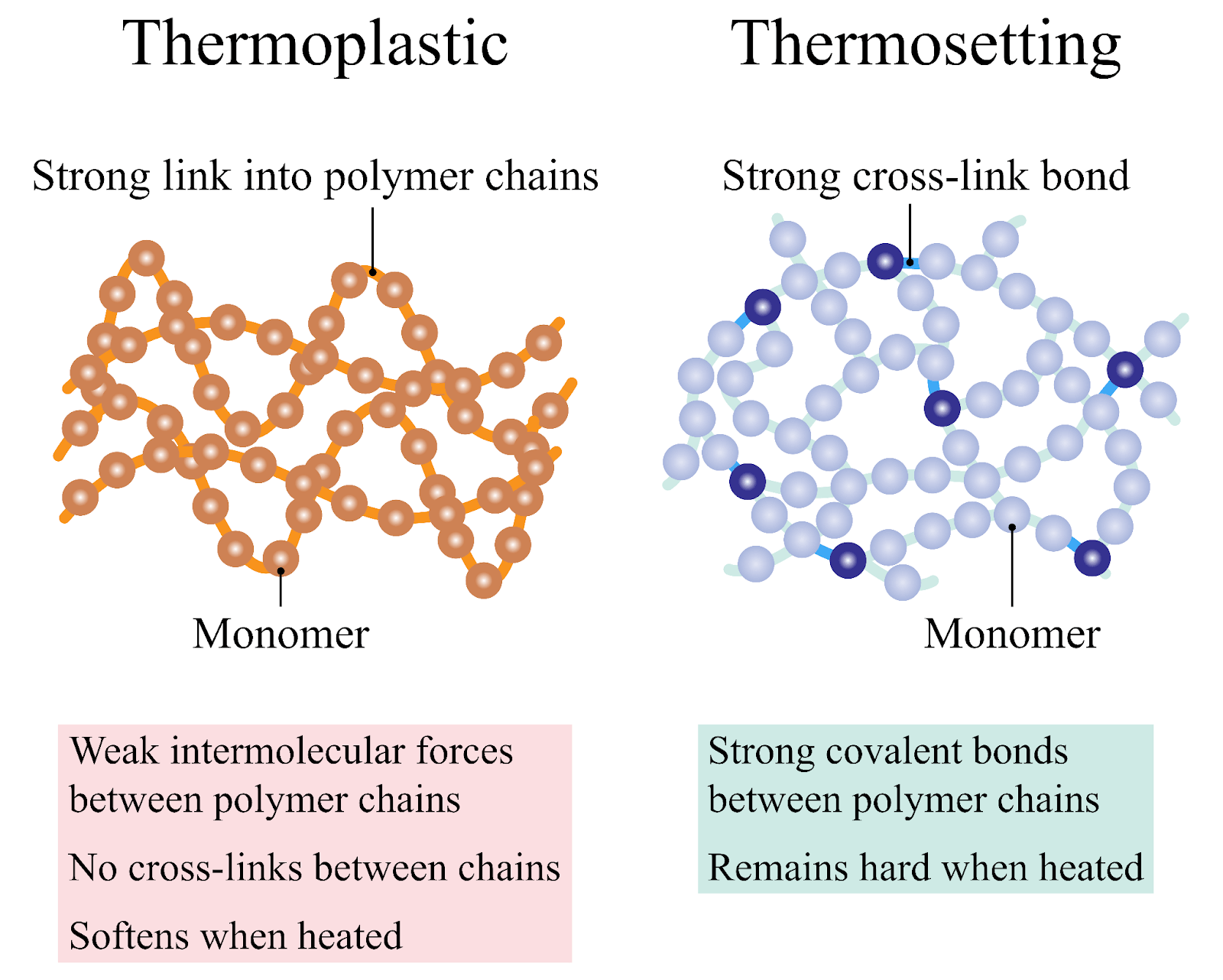
The secret to Bakelite's success? It's a thermoset plastic. That means that once it's formed, it's set for life. You can heat it, cool it, subject it to all kinds of culinary abuse (within reason!), and it'll stay solid. Think of it like baking a cake: once you bake the cake, you can't un-bake it back into batter, no matter how hard you try (and trust me, I've tried with some disastrously dry cakes). Thermoset plastics are the same – they're permanently "baked" into their shape.
From Kitchen Gadgets to Electrical Safety
So, where else might you find a thermoset material quietly doing its job? Consider the humble electrical outlet. The housing is often made of thermoset plastic. Why? Because it needs to withstand the heat generated by electricity. Imagine your plastic outlets melting every time you plugged in your toaster. Total chaos! Thermoset plastics are the unsung heroes that keep our homes from becoming electrical fire hazards. They are the silent guardians protecting us from accidental sparks and singed eyebrows.
And don't forget those vintage toasters! Many of them featured Bakelite components, adding a touch of retro charm while protecting your hands from scorching temperatures. Holding a piece of vintage Bakelite isn't just holding a piece of plastic; it's holding a piece of history, a testament to the ingenuity of early 20th-century inventors who wanted to make everyday life a little safer and a little more stylish.
"Bakelite's impact extended beyond the kitchen," says Amelia Harding, a collector of vintage kitchenware. "It really transformed the way we lived, making so many everyday objects more practical and beautiful."
The Enduring Appeal of the Unmeltable
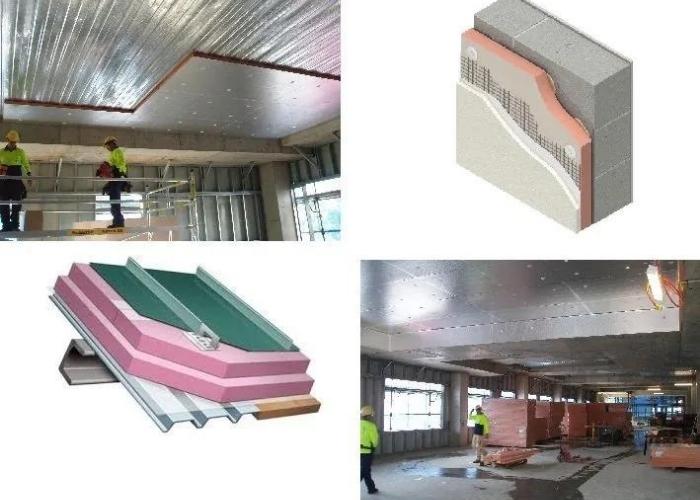
Even today, thermoset plastics are used extensively in all sorts of applications, from automotive parts to construction materials. While Bakelite itself has been largely replaced by newer, more versatile plastics, its legacy lives on in the countless thermoset materials that make our lives easier and safer. So, the next time you admire a piece of vintage kitchenware, remember the thermoset plastic that made it possible – the unsung hero that refused to melt under pressure. Think of it as a material with a backbone, a stubborn refusal to succumb to the siren song of gooey transformation. And perhaps, just perhaps, send a silent thank you to the inventors who dared to dream of a world where things stayed stubbornly, wonderfully solid.
And if you ever accidentally melt a Tupperware container in the microwave (we've all been there!), just remember that there's a whole world of materials out there dedicated to resisting the heat. It's a comforting thought, isn't it? Especially when you're scraping charred remnants of meatloaf off the inside of your microwave.