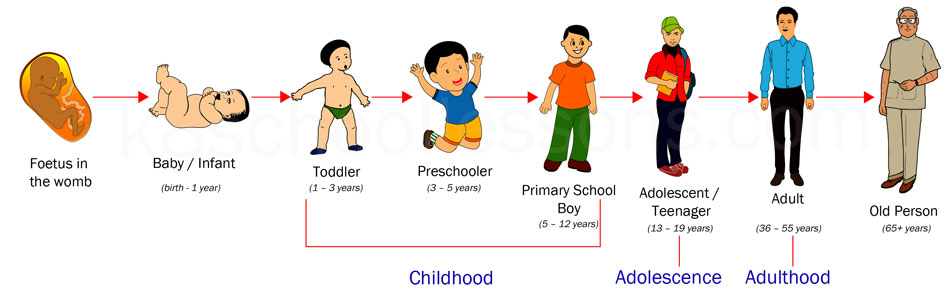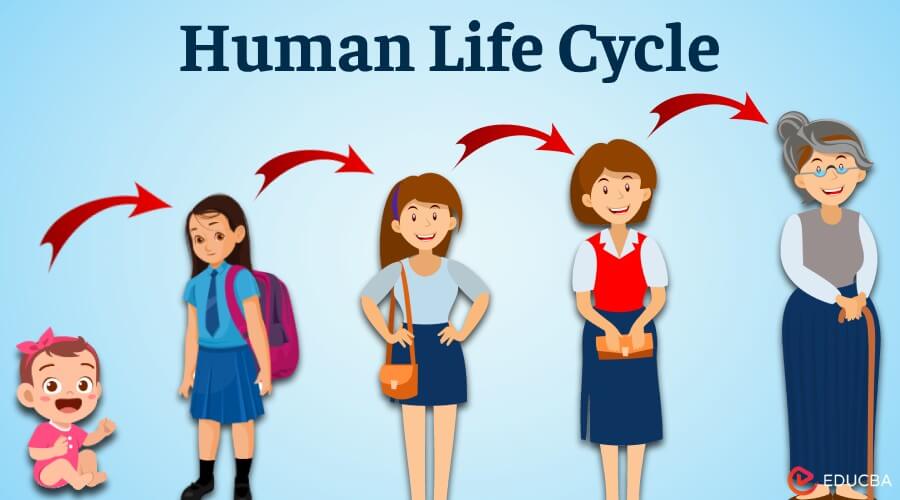
Ever wondered what the big deal is with the whole "life cycle" thing? We're not talking about butterflies or frogs here, but *us* – humans! Understanding our own journey can be surprisingly empowering and, dare I say, even fun. Think of it like having a map to navigate the ups and downs, the twists and turns, of being alive.
So, let's break it down into four easy-to-digest stages. No complicated science jargon, promise! Just real-life stuff you can relate to.
Stage 1: Childhood - The Wonder Years
Ah, childhood! Remember scraped knees, building pillow forts, and believing you could fly? This stage, lasting roughly from birth to around age 12, is all about growth, learning, and boundless energy. It's a time of rapid physical and cognitive development.
Think about it: a tiny baby who can barely hold their head up transforms into a running, jumping, question-asking machine! They're absorbing information like a sponge, learning to walk, talk, read, and figure out the world around them.
Why should you care? Well, understanding childhood helps us appreciate the importance of providing nurturing environments for kids. It reminds us that play isn't just fun; it's crucial for developing social skills, problem-solving abilities, and emotional intelligence. Plus, remembering our own childhoods can bring a smile to our faces and connect us to our inner child.
Imagine a little girl meticulously arranging her stuffed animals for a tea party. She's not just playing; she's learning about social roles, communication, and empathy. Pretty powerful stuff!
Stage 2: Adolescence - The Rollercoaster Ride
Hold on tight! Adolescence, typically from ages 13 to 19, is often described as a rollercoaster – full of exhilarating highs, terrifying drops, and unexpected twists. This is the stage of puberty, identity formation, and figuring out who you are (and who you *aren't*).
Think about the physical changes: growth spurts, hormonal shifts, and the sudden appearance of… well, you know. But it's not just about the body. Adolescents are also grappling with big questions like, "What do I believe in?" "Where do I belong?" and "What am I good at?"
Why should you care? Because understanding adolescence allows us to be more empathetic towards teenagers. It reminds us that they're navigating a complex and often confusing time in their lives. Knowing about adolescent development can help parents, educators, and friends provide support, guidance, and understanding.
Picture a teenager experimenting with different styles, trying out new hobbies, and exploring different friend groups. They're not just being fickle; they're searching for their place in the world, trying to define their own unique identity.
Stage 3: Adulthood - The Building Years
Adulthood, generally from ages 20 to 65, is often considered the longest stage of life. This is when we establish careers, build families, and contribute to society. It's a time of responsibility, accomplishment, and (hopefully) finding our purpose.
We're talking about finding a job you (mostly) enjoy, maybe getting married or starting a family, buying a house, and generally settling into a routine. It's also a time for personal growth, learning new skills, and making a difference in the world.
Why should you care? Because understanding adulthood helps us make informed decisions about our careers, relationships, and health. It reminds us that it's never too late to pursue our passions, learn new things, and make a positive impact. And it encourages us to prioritize self-care and maintain healthy habits to thrive in the long run.
Imagine a woman going back to school at 40 to pursue her dream of becoming a nurse. She's demonstrating that adulthood is not just about settling down; it's also about continuing to grow and evolve.
Stage 4: Old Age - The Wisdom Years
Old age, typically starting around age 65, is a time of reflection, wisdom, and passing on knowledge to future generations. While physical abilities may decline, experience and insight accumulate, offering a unique perspective on life.
This stage often involves retirement, spending more time with loved ones, pursuing hobbies, and reflecting on the past. It can also be a time of health challenges, but also of resilience and finding joy in simple pleasures.
Why should you care? Because understanding old age helps us treat our elders with respect and compassion. It reminds us to listen to their stories, learn from their experiences, and appreciate the value of their wisdom. And it encourages us to plan for our own futures, ensuring that we can age with dignity and grace.
Picture a grandfather sharing stories of his childhood with his grandchildren. He's not just reminiscing; he's passing on family history, cultural values, and invaluable life lessons.
So, there you have it – the four stages of the human life cycle in a nutshell! Understanding these stages can help us better navigate our own lives, appreciate the journeys of others, and live with more purpose and empathy. It's not just about biology; it's about connection, understanding, and making the most of every stage along the way. Now go forth and embrace the adventure!