Let's be honest, there's something inherently cool about creating something tangible out of thin air. That's the magic of 3D printing! It's moved beyond a futuristic fantasy to become a surprisingly accessible and useful tool for everyday life. Whether you're a seasoned maker or just curious about the possibilities, 3D printing offers a unique way to solve problems, personalize your belongings, and even save money. Think of it as your own personal manufacturing plant, right on your desktop!
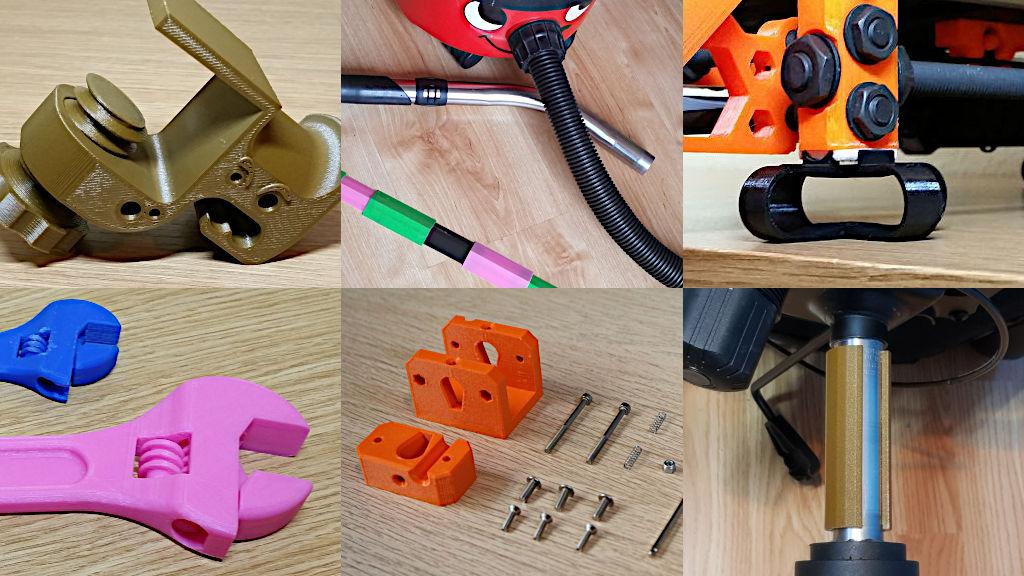
So, why is 3D printing so beneficial for everyday life? The biggest advantage is its ability to create customized solutions. Tired of that generic phone stand that never quite fits your phone? Design and print your own! Need a replacement part for a broken appliance and don't want to buy a whole new unit? 3D printing can come to the rescue. It empowers you to fix things yourself, reducing waste and saving you from unnecessary purchases.
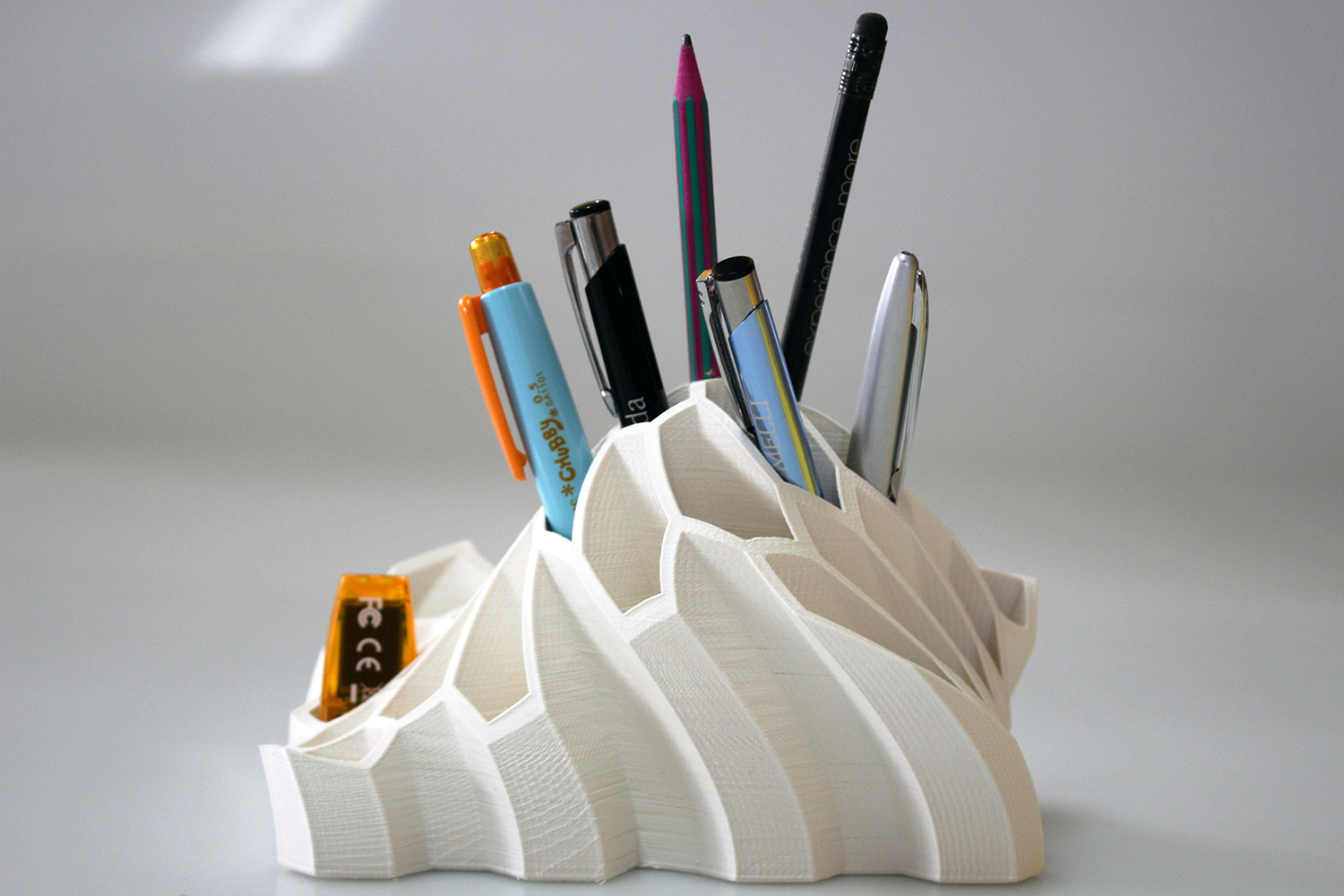
The applications are incredibly diverse. In the kitchen, you could print cookie cutters in fun shapes, personalized measuring spoons, or even replacement knobs for your oven. Around the house, think custom cable organizers, unique wall art, or even small furniture pieces. For hobbyists, the possibilities are endless. Model railroad enthusiasts can print intricate details for their layouts, gamers can create personalized miniatures, and crafters can design and print unique jewelry or decorative items. We're even seeing 3D printing used to create prosthetics and assistive devices, showcasing its life-changing potential.
Beyond the fun and convenience, 3D printing can also be educational. It's a fantastic way to learn about design, engineering, and materials science. Kids (and adults!) can explore the design process, experiment with different materials, and see their creations come to life. It fosters creativity, problem-solving skills, and a hands-on understanding of how things are made.
Want to make the most of your 3D printing journey? Here are a few practical tips:
- Start small: Don't try to print a complex multi-part assembly right away. Begin with simple designs and gradually increase the complexity.
- Research your materials: Different filaments have different properties. Understand the strengths and weaknesses of each before you start printing. PLA is a good starting point for beginners.
- Calibrate your printer: Proper calibration is essential for successful prints. Take the time to level your bed and fine-tune your settings.
- Learn basic design software: TinkerCAD is a great free option for beginners. As you become more comfortable, you can explore more advanced software like Fusion 360.
- Join a community: Online forums and maker spaces are great resources for troubleshooting, sharing ideas, and learning from others.
- Embrace experimentation: Don't be afraid to try new things and make mistakes. That's how you learn!
3D printing is more than just a technology; it's a way to express your creativity, solve problems, and connect with a community of makers. So, dive in, experiment, and enjoy the journey of bringing your ideas to life!