Energy! It's what makes our lights shine, our cars run, and powers pretty much everything we do. And while solar and wind are getting a lot of buzz, there's another big player in the energy game: nuclear energy. It's a topic that often pops up in the news and sci-fi movies, but what's the real deal? Let's dive into the pros and cons in a way that's easy to understand, whether you're just curious, discussing energy at the dinner table, or looking for a new debate topic with your friends.
For beginners, understanding energy sources is crucial to becoming an informed citizen. For families, it’s a great way to spark conversations about science and the future. And for hobbyists interested in technology or environmental issues, it’s another layer of understanding the complex world around us.
So, let's break down the good and the, well, less-good of nuclear power:
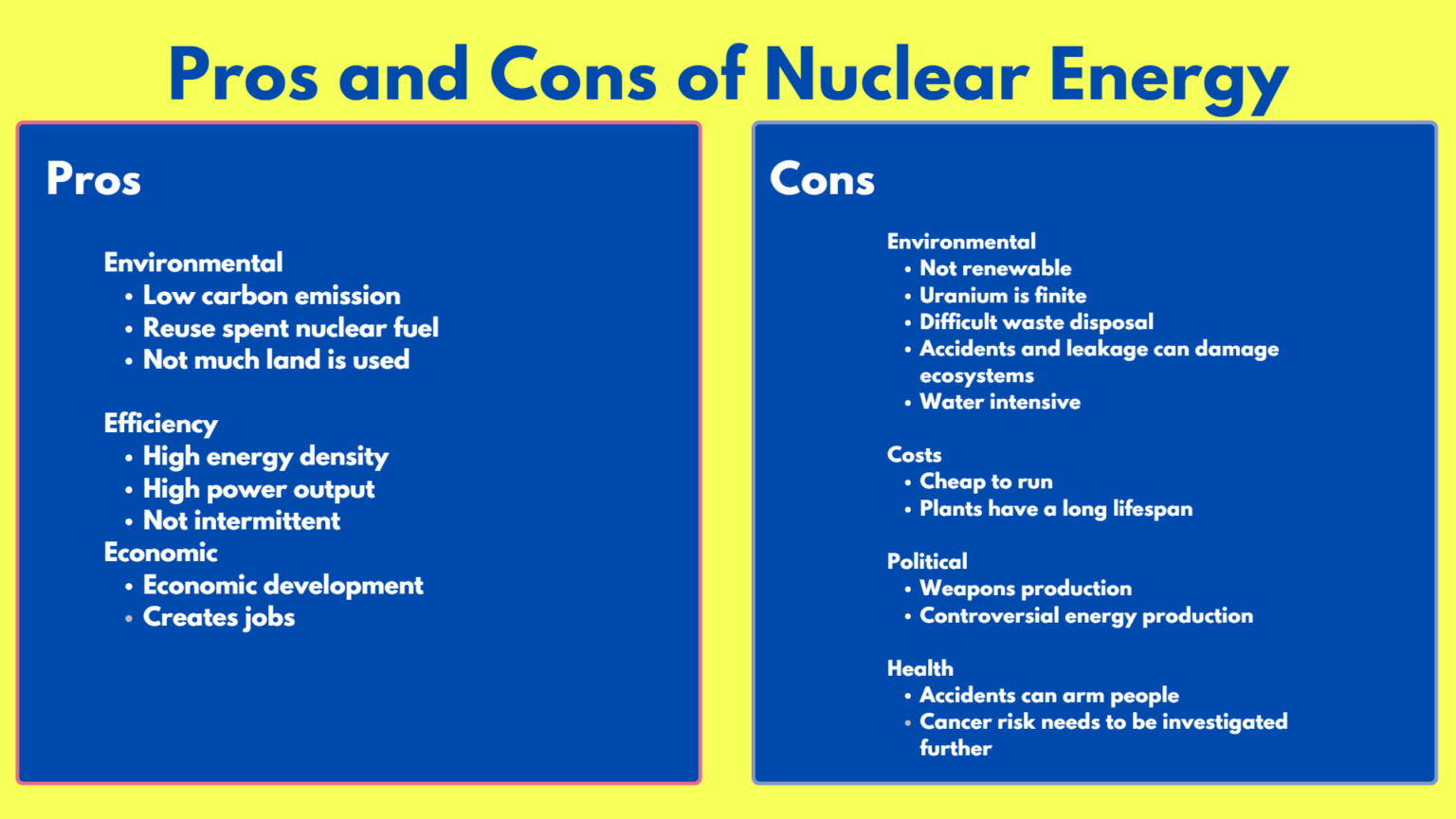
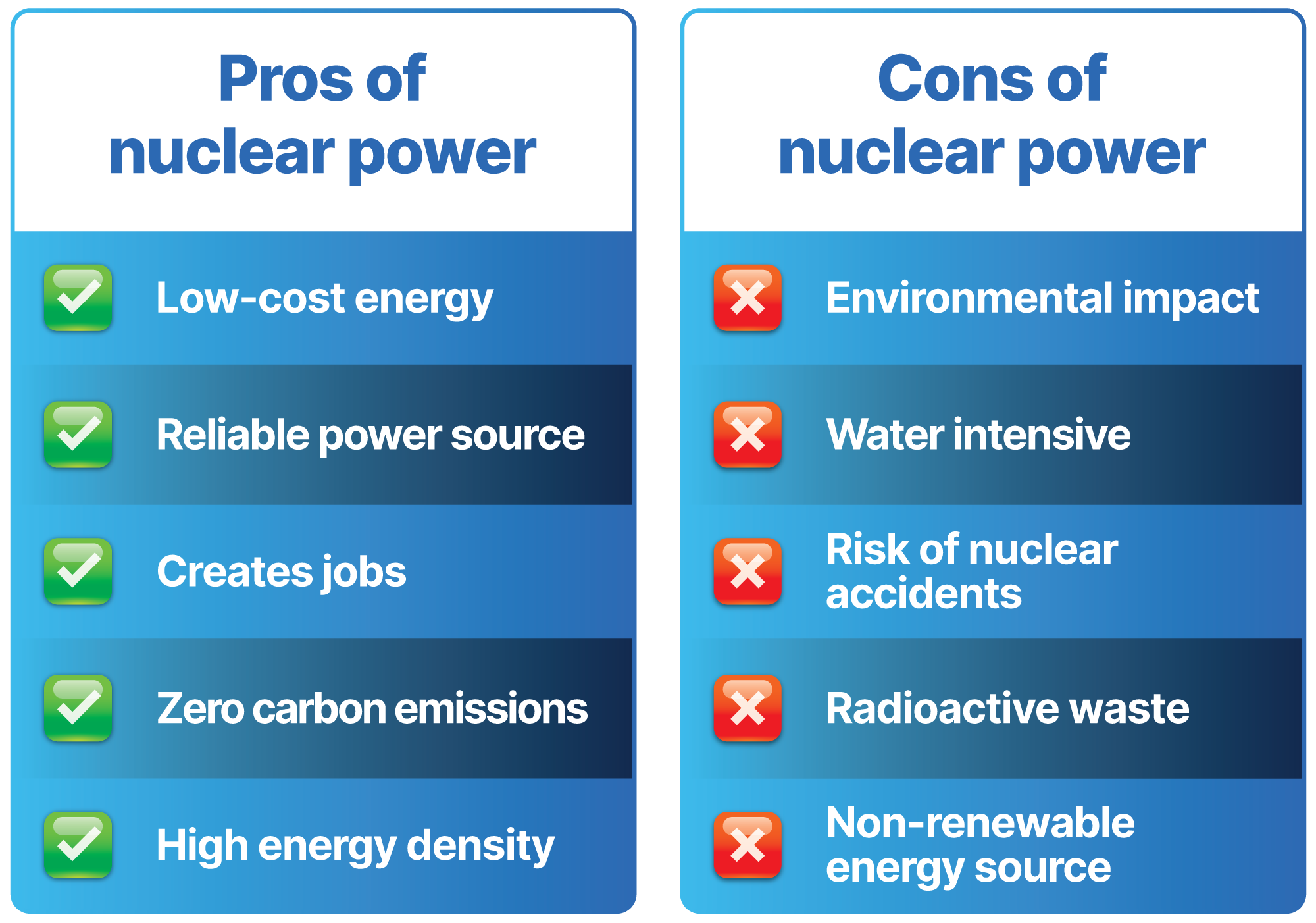
Pros of Nuclear Energy
1. High Power Output: Think of nuclear power plants as the energy workhorses. They can generate a massive amount of electricity from a relatively small amount of fuel. One uranium pellet, about the size of your fingertip, contains the energy equivalent of 1 ton of coal, 3 barrels of oil, or 17,000 cubic feet of natural gas. This means fewer power plants are needed to meet energy demands.
2. Low Greenhouse Gas Emissions: Unlike fossil fuels like coal and natural gas, nuclear power plants don't release greenhouse gases during operation. This is a huge benefit in the fight against climate change. While there are emissions associated with mining and processing uranium, the overall carbon footprint is significantly lower than traditional power plants.
3. Reliability: Nuclear power plants are known for their consistent and reliable energy production. They aren't dependent on weather conditions like solar and wind power, which can fluctuate. This makes them a stable source of electricity that can run almost continuously, providing a baseload of power to the grid.
Cons of Nuclear Energy
1. Nuclear Waste: This is the big one. Nuclear power plants produce radioactive waste that needs to be stored safely for thousands of years. Finding suitable long-term storage solutions is a major challenge. While the amount of waste is relatively small compared to other industrial wastes, its radioactive nature requires careful management.
2. Risk of Accidents: While rare, accidents at nuclear power plants, like Chernobyl and Fukushima, can have devastating consequences. The potential for radiation leaks and widespread contamination is a serious concern. However, modern nuclear power plants incorporate advanced safety features to minimize these risks.
3. High Initial Cost: Building a nuclear power plant is expensive. The upfront costs for construction, security, and regulatory compliance are significantly higher than for other types of power plants. This can make it difficult to finance new nuclear projects, even though they may be cost-effective in the long run.
Practical Tip: Want to learn more? Start by checking out the websites of reputable organizations like the World Nuclear Association or the International Atomic Energy Agency. These sites offer accessible information on nuclear energy and related topics.
Nuclear energy is a complex topic with compelling arguments on both sides. It's not a perfect solution, but it's a powerful tool in our energy arsenal. By understanding the pros and cons, we can have more informed conversations about how to meet our energy needs in a sustainable and responsible way. Hopefully, this has given you a great starting point for digging deeper into this fascinating subject!