Let's face it, we all love a bit of sparkle in our lives, especially when it comes to our kitchen! And when it comes to kitchenware, one material reigns supreme: 18/10 stainless steel. But is it *really* all that it's cracked up to be? Let's dive into the world of gleaming pots, pans, and cutlery to find out if this kitchen staple is truly a culinary champion, or just another shiny object.
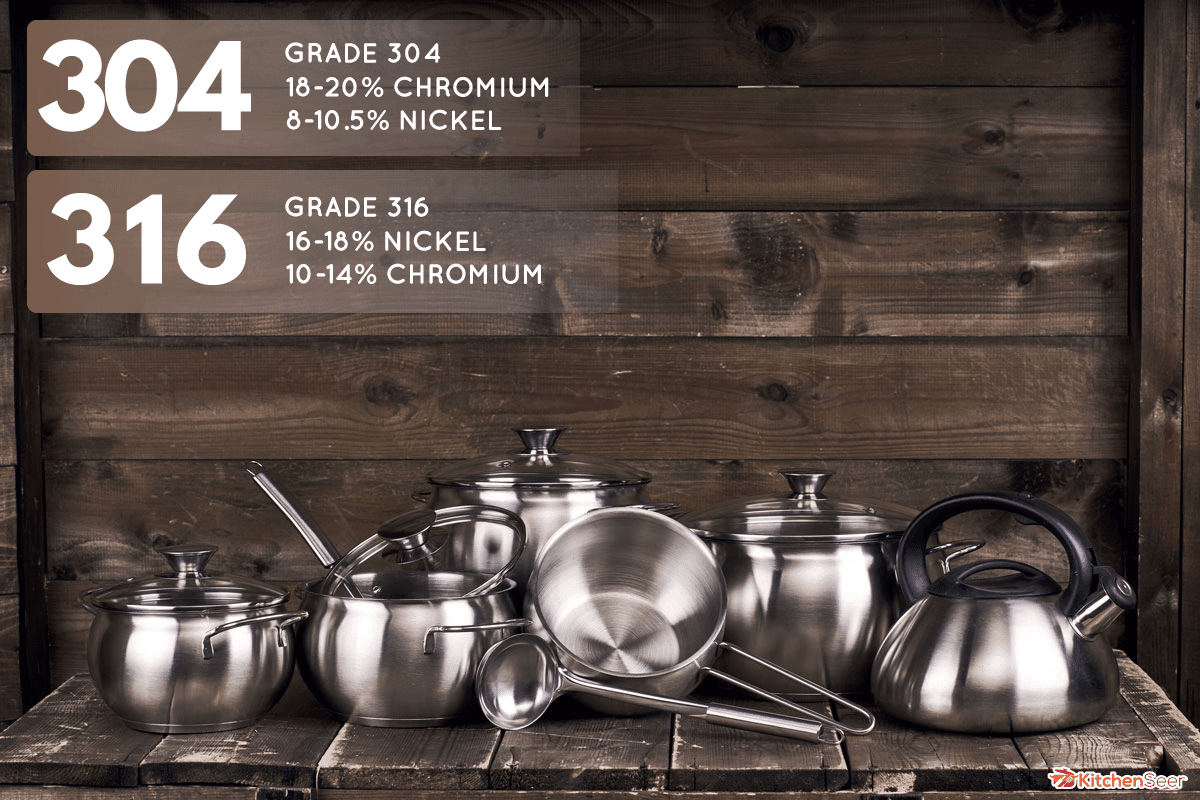
So, what exactly *is* 18/10 stainless steel? The numbers refer to the percentage of chromium (18%) and nickel (10%) in the alloy. This combination is the secret sauce to its incredible properties. The chromium creates a protective layer that resists rust and corrosion – meaning your beloved saucepan won't turn into a rusty disaster after a few washes. The nickel adds to the corrosion resistance and gives it that beautiful, lustrous sheen that makes it so appealing. It's like the superhero of the kitchen, battling against stains, rust, and general wear and tear!
The benefits of 18/10 stainless steel extend far beyond just looking good. Its durability is a major selling point. This stuff is tough! It can withstand high temperatures, resists dents and scratches, and will last for years with proper care. Unlike some other materials, it's also non-reactive. This means you can cook acidic foods like tomatoes without worrying about the metal leaching into your food and affecting the flavor. No more metallic-tasting pasta sauce!
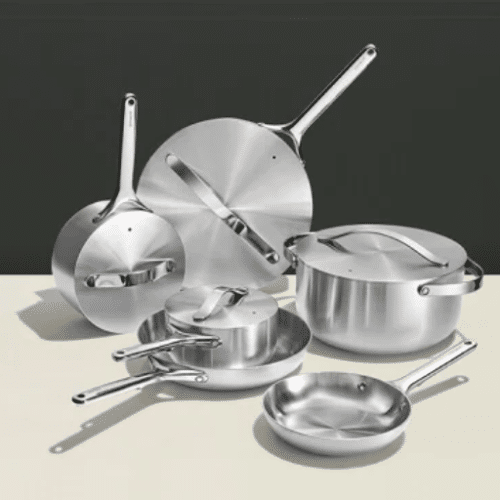
You probably interact with 18/10 stainless steel more often than you realize. Think about your favorite silverware, the sturdy stockpot you use for making soup, or the sleek mixing bowls you rely on for baking. It's everywhere! High-end cookware sets often feature 18/10 stainless steel interiors, sometimes combined with a copper or aluminum core for improved heat distribution. Even some kitchen sinks are made from this versatile material!
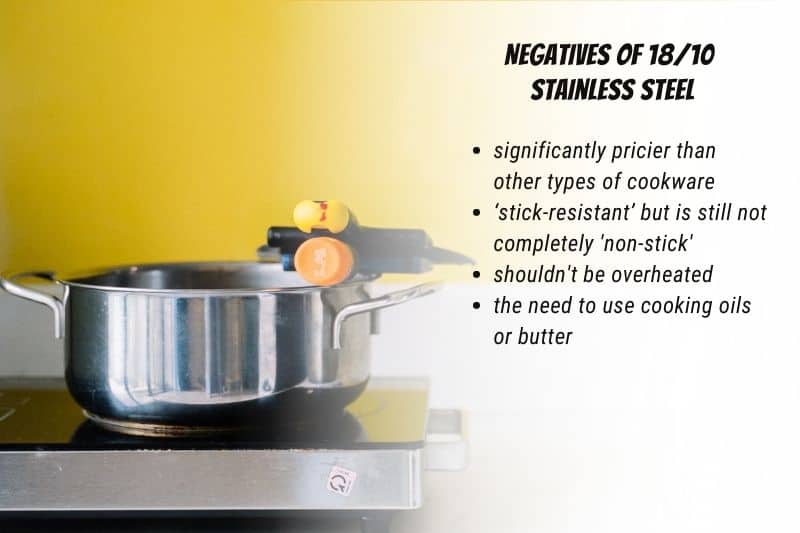
While 18/10 stainless steel is generally fantastic, it's not perfect. One common complaint is that it can be a bit of a heat conductor, leading to hot spots in cheaper cookware. To avoid this, look for pieces with a multi-ply construction, often with an aluminum or copper core, which helps distribute heat more evenly. Another tip is to use a lower heat setting when cooking. Stainless steel retains heat well, so you often don't need to blast the burner on high.
To keep your 18/10 stainless steel looking its best, avoid using abrasive cleaners or scouring pads, which can scratch the surface. For stubborn food residue, try soaking the item in hot, soapy water for a while. And don't be afraid to use a little elbow grease! A paste of baking soda and water can also work wonders for removing stains. Finally, remember to dry your stainless steel thoroughly after washing to prevent water spots.
So, is 18/10 stainless steel good or bad? Ultimately, the answer is a resounding good! Its durability, resistance to corrosion, and non-reactive nature make it an excellent choice for cookware and kitchenware. With a little care and attention, your 18/10 stainless steel pieces will continue to shine and serve you well for years to come, making cooking and meal preparation a more enjoyable experience. Now go forth and conquer your kitchen with confidence!