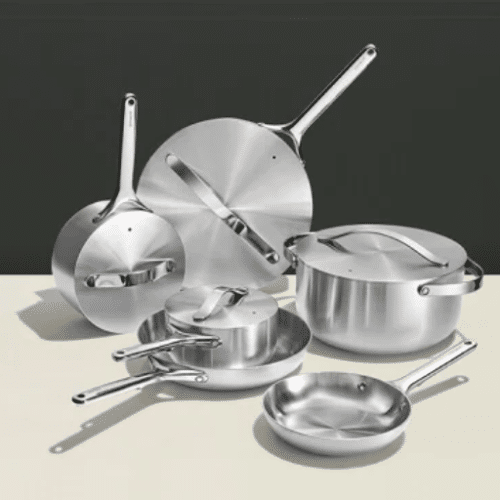
Okay, let's talk 18/10 stainless steel. You've probably seen it stamped on the bottom of your pots, pans, or even your favorite soup spoon. But what *is* it? Is it the Beyonce of metals, the dependable friend, or just some marketing mumbo jumbo? Let's break it down in a way that doesn't require a chemistry degree.
Think of stainless steel as a metal smoothie. It's not just one thing; it's a blend. And 18/10? That's the recipe. It means 18% chromium and 10% nickel are mixed in with the iron. Now, why those two ingredients? Chromium is the bodyguard, protecting the iron from rust like a bouncer at a nightclub. And nickel? Nickel adds that extra shine and makes the whole thing even more resistant to corrosion.
The Good Stuff
So, is it good? Absolutely! Let's explore why 18/10 stainless steel is usually a solid choice, like ordering pizza on a Friday night.
Rust-Resistant Superhero: We've touched on this, but it's worth repeating. That chromium is a beast when it comes to preventing rust. You can leave your 18/10 spoon soaking in the sink overnight (we've all been there) and it won't magically transform into a rusty eyesore. Hallelujah!
Shiny and New (for Longer): Remember that nickel? It's not just about resisting rust. It also keeps your cookware looking swanky. It's like the anti-aging cream for metal. You want your kitchenware to look good when guests arrive, right?
Doesn't Play Well with Others (Except It Does): 18/10 stainless steel is pretty inert. That means it doesn't react with your food. You won't get any weird metallic taste leaching into your pasta sauce. Nobody wants metallic-flavored pasta sauce, right? Imagine that – gross!
Sturdy as a Rock: This stuff is built to last. You can bang it around (within reason, of course) and it will hold up. It's not like that delicate glass bowl you're terrified of breaking. This is your workhorse.
Easy to Clean (Mostly): While not *completely* non-stick, 18/10 stainless steel is generally pretty easy to clean. A little elbow grease and some dish soap, and you're good to go. No need for hazardous chemicals or complicated rituals. Though, burnt-on food does require some soaking, let's be honest.
The Not-So-Good Stuff (Let's Be Real)
Okay, nothing is perfect, not even 18/10 stainless steel. Let's talk about the drawbacks, because everything has a flip side, even Ryan Reynolds (allegedly).
Heat Distribution Can Be Spotty: Stainless steel, on its own, isn't the best conductor of heat. That means you might get hot spots in your pan. Solution? Look for pans with a copper or aluminum core, sandwiched between layers of stainless steel. That's like having a super-efficient heating system for your food.
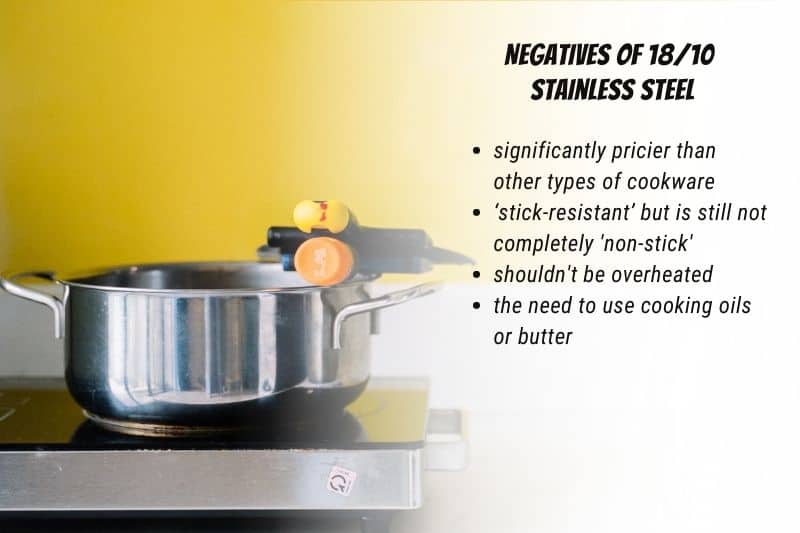
Can Be Pricey: Quality 18/10 stainless steel cookware can cost a pretty penny. It's an investment, like buying a decent mattress. But consider it a long-term relationship with your kitchen, not just a fling.
Not Immune to Scratches: It might be tough, but it's not invincible. Abrasive cleaners or steel wool can scratch the surface. Treat it with respect, and it will treat you with perfectly cooked meals for years to come. Use a soft sponge! It's not rocket science.
Salt's Mortal Enemy (Kind Of): Be careful of adding salt to cold water in your stainless steel pot. Sometimes, it can cause pitting (tiny little holes). Always wait for the water to boil before adding salt. It's a small detail, but it can help prolong the life of your cookware. It's like remembering to floss – you know you should.
The Verdict
So, is 18/10 stainless steel good or bad? It's definitely more good than bad. It's a durable, rust-resistant, and generally reliable material for cookware and cutlery. It's like the jeans of the kitchen world – dependable, versatile, and likely to be around for a long time. Just remember its quirks, like the heat distribution thing, and treat it with a little love, and it will serve you well for years to come.
Think of it this way: buying 18/10 stainless steel is like adopting a slightly high-maintenance but ultimately loving pet. You gotta feed it right (don't burn the food!), give it a bath occasionally (clean it!), and be patient when it gets a little scratch (ignore minor imperfections!). If you can do that, you've got a loyal friend in your kitchen.