
Biomass Energy And How It Works

Ever felt that slight pang of guilt when you toss out your kitchen scraps, or maybe eyed that overflowing bin of garden waste with a sigh? What if I told you that all that stuff, from last night's forgotten broccoli to the autumn leaves you just raked, could actually be a tiny superhero, fighting the good fight against our energy bills? Welcome to the wonderful world of biomass energy, where nature's leftovers get a grand second act!
So, What Even Is Biomass?
Think of biomass as Mother Nature's ultimate upcycling project. At its core, it's any organic material that comes from plants or animals. We're talking about wood (forest trimmings, sawmill waste), agricultural crops (corn, switchgrass), animal manure, sewage, and even your humble household food scraps. Basically, anything that was once alive and now, well, isn't – but still has a spark (or a sizzle!) of energy left in it.
It's like that old jumper you love but can't wear anymore. Instead of throwing it out, you turn it into a cozy cushion cover. Biomass is similar, but instead of home decor, we're talking about turning organic "waste" into electricity, heat, or even fuel for your car. Pretty neat, right?
Must Read
The Magic Trick: How Biomass Becomes Energy
Okay, so we've got our organic ingredients. Now, how do we turn a pile of wood chips or a heap of pig poop into something useful? There are a few clever ways we coax energy out of biomass, each with its own little personality.
The OG Method: Direct Combustion
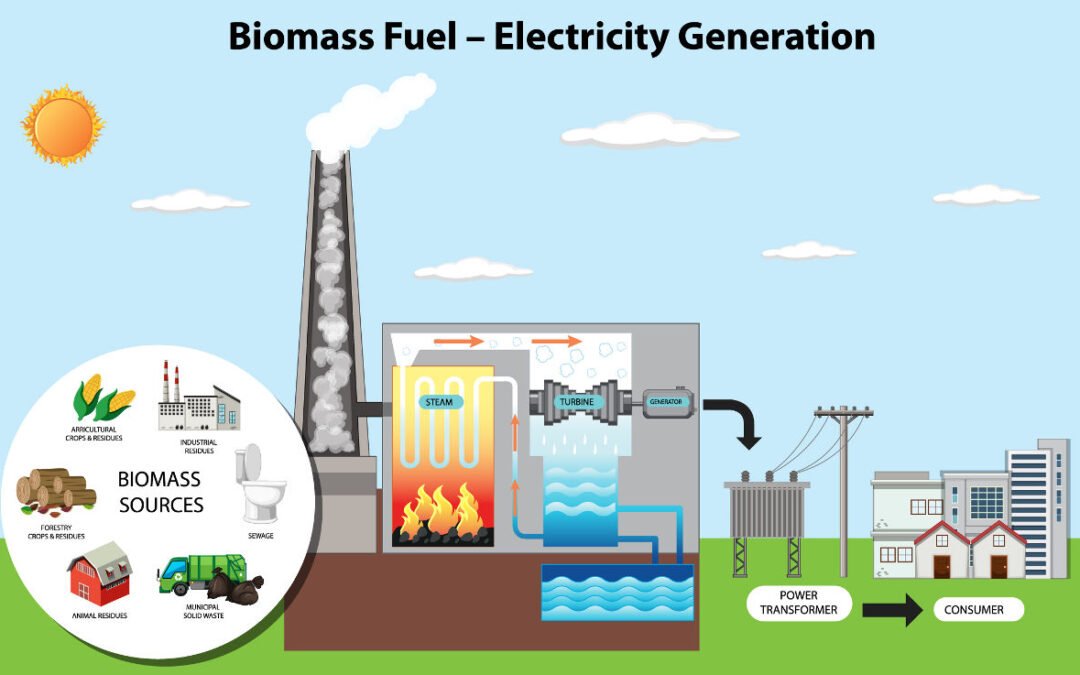
This is the grandma of all biomass methods. Remember sitting by a campfire, feeling that lovely warmth? Or perhaps you've got a wood-burning stove at home? That's direct combustion! We simply burn the biomass (like wood, agricultural waste, or even certain types of municipal solid waste) to produce heat. This heat can then be used directly for warming buildings, or it can boil water to create steam, which then spins a turbine to generate electricity. It's straightforward, efficient, and gives you that cozy, primal energy feeling.
Imagine, if you will, millions of tiny, energetic logs all getting together for a massive, very productive bonfire. But instead of just s'mores, we're making enough power to run a small town. Much more practical!
The "Cooking Without Oxygen" Method: Gasification
This one's a bit more high-tech than just lighting a match. Gasification involves heating biomass in a controlled environment with very limited oxygen. Instead of bursting into full flame, the biomass undergoes a chemical reaction that turns it into a gas called "syngas" (synthesis gas). This syngas is a powerful fuel itself and can be burned in engines or turbines to generate electricity, or even converted into other fuels or chemicals.
Think of it like trying to cook a steak on a barbecue with the lid mostly down – you get a lot of smoky, gassy fumes before you get a full flame. But here, we actually want those fumes! We capture them, clean them up, and then use them as a super-efficient fuel. No wasted smoke, just pure energy potential.
The "Giant Tummy" Method: Anaerobic Digestion
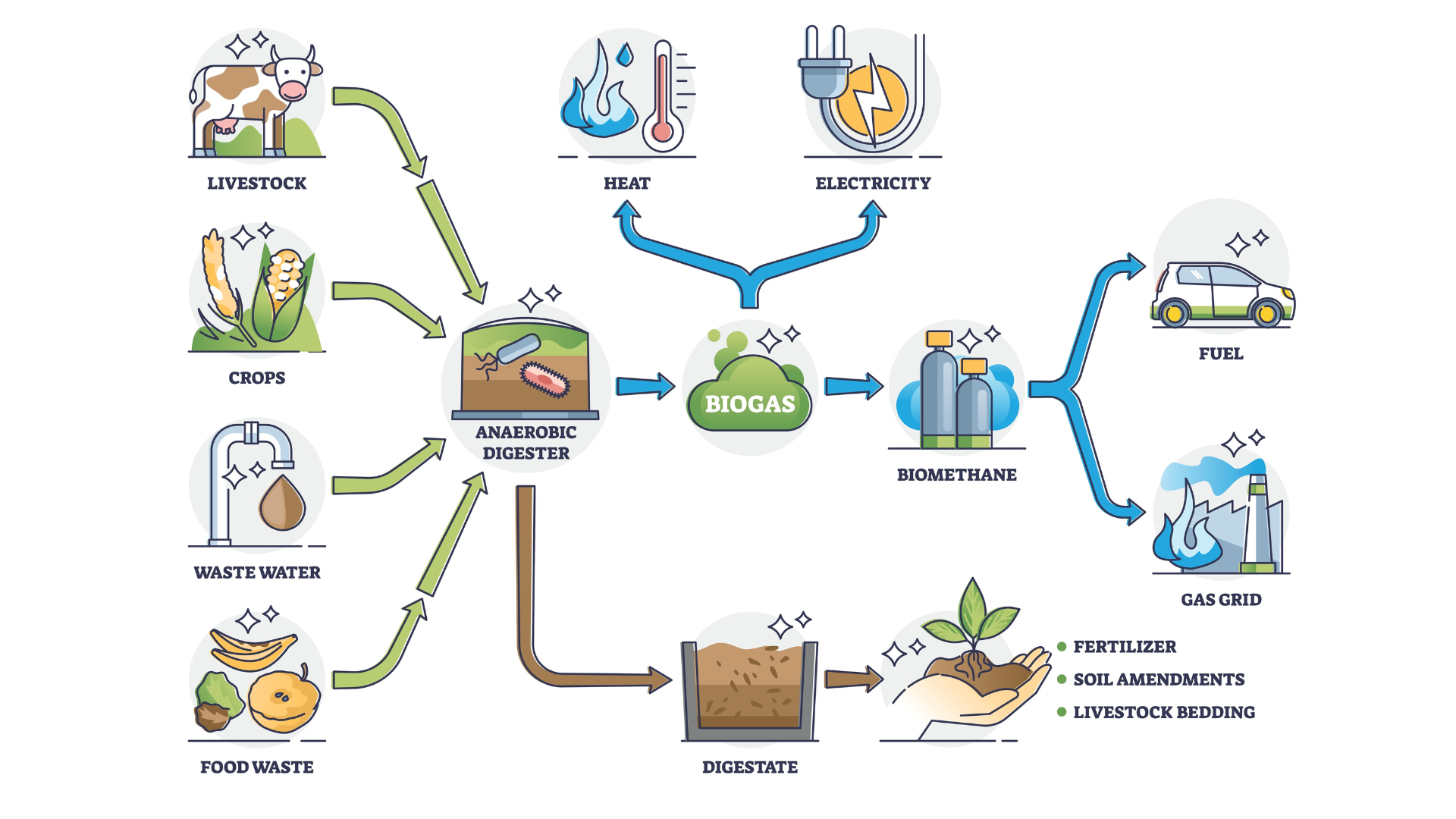
This method is perhaps the most... gutsy. Anaerobic digestion sounds fancy, but it basically means letting tiny microbes do all the hard work in an environment without oxygen. You know how your stomach breaks down food? Well, imagine a giant, sealed-off "stomach" for organic waste – like food scraps, animal manure, or sewage sludge.
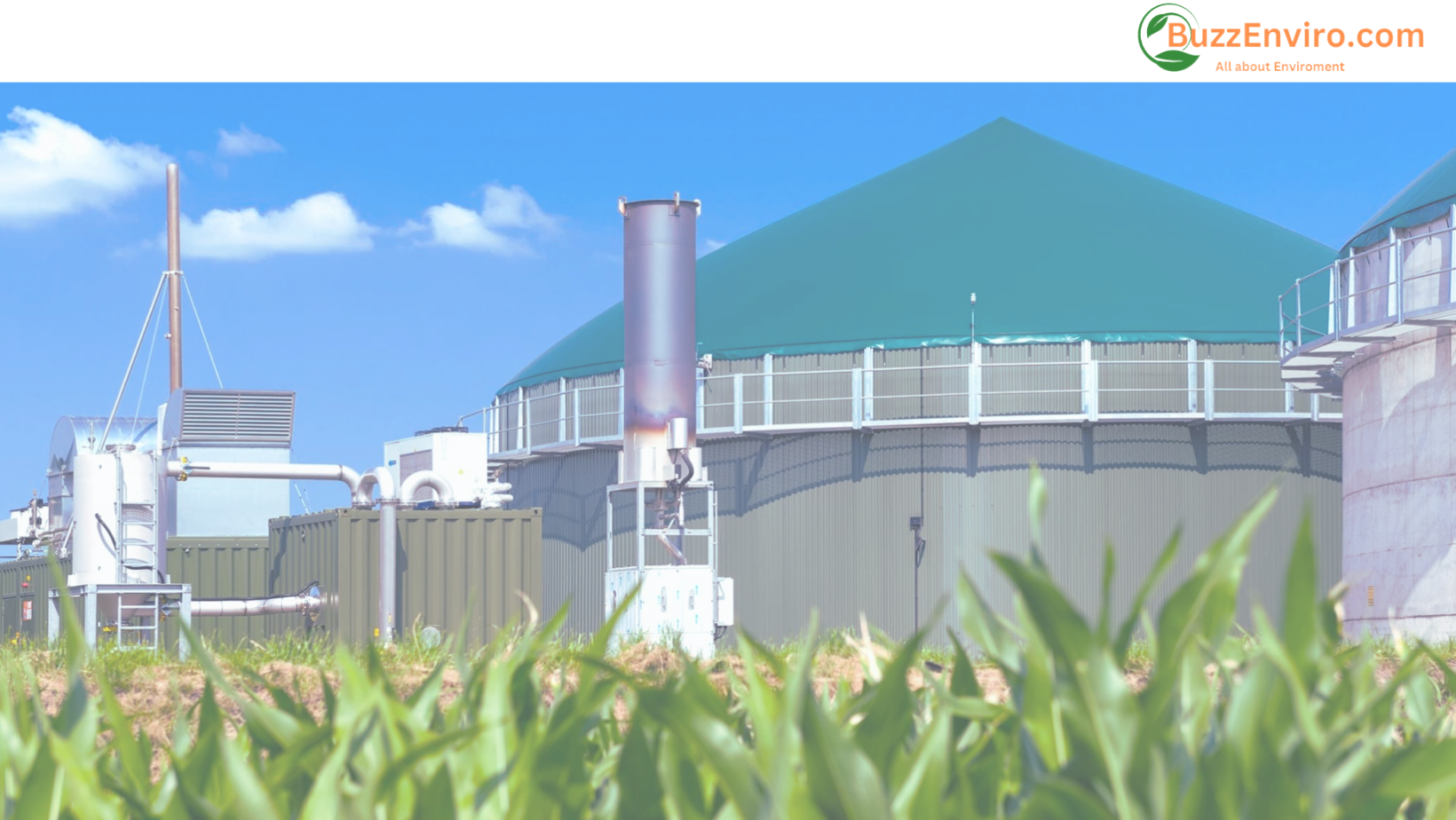
Inside this big, dark, oxygen-free tummy, these microscopic munchers get to work, breaking down the organic matter. As they feast, they produce a gas called biogas, which is mostly methane (the same stuff natural gas is made of!). This biogas can then be captured and used to generate electricity, heat, or even refined for vehicle fuel. It's turning what was once literally waste into a valuable resource, all thanks to some hardworking bacteria. Now that’s what I call a productive tummy rumble!
The "Green Smoothie for Cars" Method: Liquid Biofuels
Last but not least, biomass can also be converted into liquid fuels, like ethanol (often made from corn or sugarcane) and biodiesel (from vegetable oils or animal fats). These are your green alternatives at the pump, helping to power vehicles and reduce our reliance on fossil fuels. It's like giving your car a wholesome, plant-based meal instead of the usual processed stuff.
Why Biomass is Our Eco-Friendly Buddy
So, why should we care about all this biomass wizardry? Well, for starters, it’s a renewable resource. Trees grow back, crops regrow, and, let's be honest, our waste streams are pretty consistent. Unlike fossil fuels, which are finite and take millions of years to form, biomass can be replenished relatively quickly.

Secondly, it's a fantastic way to deal with waste. Instead of sending organic matter to landfills where it just sits and slowly releases harmful methane, we can harness its energy. It's a win-win: cleaner waste management and a source of power!
Plus, when managed sustainably, biomass is often considered carbon neutral. The carbon dioxide released when biomass is burned or digested is theoretically reabsorbed by new plants growing to replace what was used. It’s like a cosmic carbon seesaw, keeping things balanced.
So, next time you're contemplating that pile of garden clippings or your food waste, give a little nod of appreciation. You're looking at potential energy, a greener future, and a testament to nature's incredible ability to give us a second chance at harnessing energy – often with a little humor along the way!