Best Way To Keep Cold Air From Coming In Windows
Brrr! That chill you're feeling isn't just the ghost of winter past; it's probably seeping in through your windows. Let's face it, understanding how to keep cold air out of your home isn't just a practical skill, it's a cozy quest! Who doesn't love a warmer, more comfortable home, especially when the weather outside is frightful? And bonus points: you'll be saving money on your energy bills too. It's a win-win situation!
The whole purpose of stopping drafts is to create a more efficient thermal envelope for your home. Think of your house like a big thermos. You want to keep the warm air in during the winter and the cool air in during the summer. By sealing up those pesky gaps around windows, you're essentially preventing the cold outside air from replacing the warm air inside. The benefits are pretty clear: a warmer, more comfortable living space, lower heating costs, and even a reduced environmental footprint. Essentially, you're telling winter, "Not today!"
Believe it or not, learning about air leaks and insulation can even be incorporated into education. In a physics class, students could conduct experiments to measure heat loss through different types of windows and sealing materials. They could compare the effectiveness of weather stripping versus caulk, or even design their own window insulation solutions! In daily life, this knowledge is invaluable. Ever wondered why your living room is always colder than your bedroom? It might be due to poorly sealed windows. Once you understand the principles of heat transfer and air leakage, you can start identifying and addressing the problem areas in your home.
Must Read
So, how can you become a draft-busting ninja? Here are a few practical tips to get you started: First, do a visual inspection. On a cold, windy day, walk around your house and hold your hand near the windows. Can you feel a draft? If so, that's a clear sign you need to take action. Next, try the candle test. Carefully move a lit candle (or lighter) around the edges of your window frame. If the flame flickers or dances, that indicates an air leak.
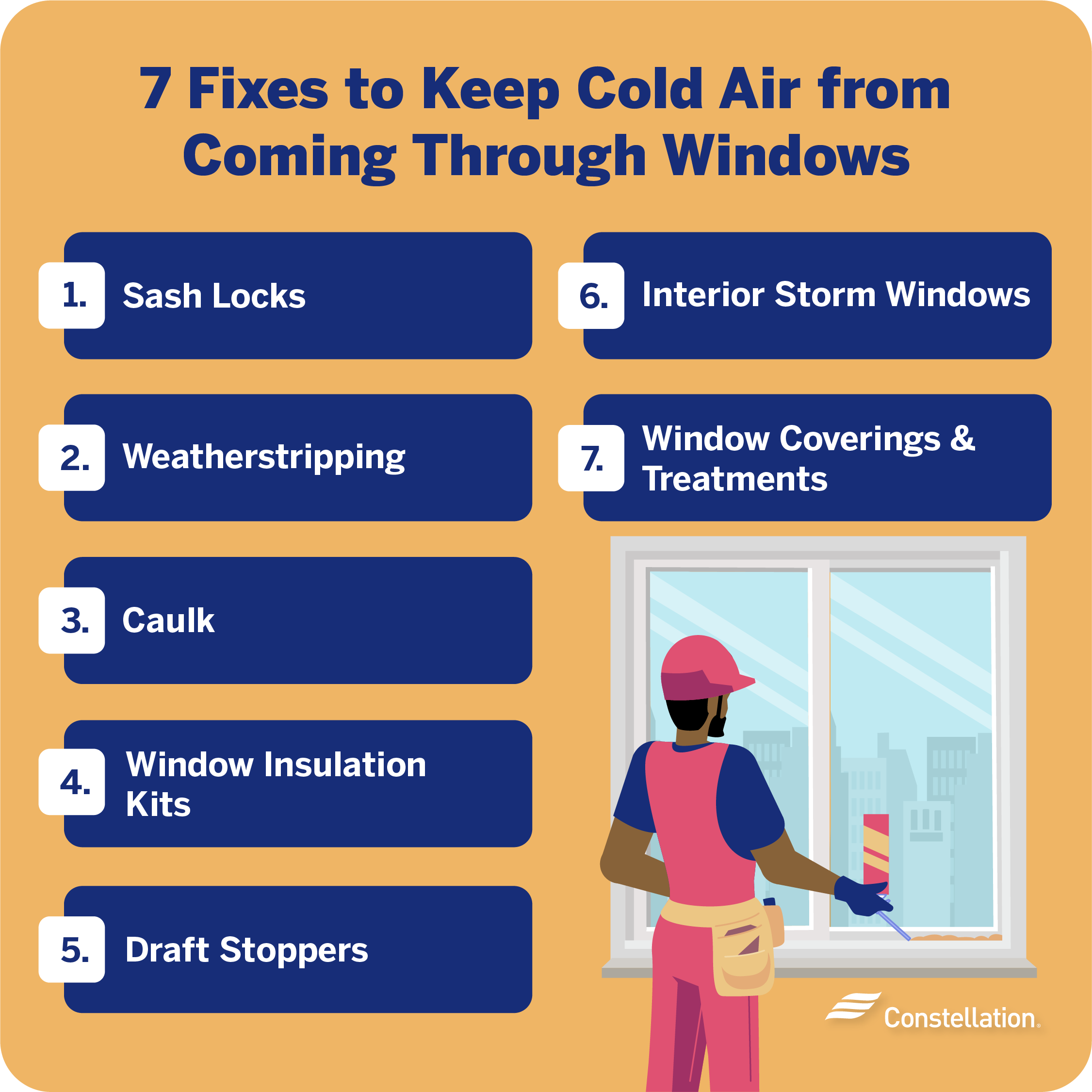
Here are some simple solutions. Weather stripping is your friend. It's an inexpensive and easy-to-install material that creates a seal between the window and the frame. Caulk is another excellent option for sealing gaps and cracks around the window frame. For a more temporary (and renter-friendly) solution, consider using window film insulation kits. These kits create an airtight barrier that helps to trap heat inside. And don't forget about curtains! Thick, insulated curtains can provide an extra layer of insulation, especially during the coldest months.
Another simple exploration: grab a thermal leak detector (they are relatively inexpensive). These handy devices show you exactly where the cold air is seeping in, providing visual confirmation of the problem areas. You could even use them to compare the effectiveness of different sealing methods! Finally, talk to your neighbors or local hardware store. They might have some unique insights or recommendations for dealing with specific window types or regional climates.
Ultimately, keeping cold air out of your windows is a simple yet impactful way to improve your home's comfort and energy efficiency. So, embrace your inner draft-buster and start exploring the world of window insulation. You'll be amazed at the difference it makes!