
Best Way To Cut Steel Sheet

Hey there, DIY warrior! Ever stared down a sheet of steel, feeling that mix of excitement and "uh oh, how do I even begin to chop this beast?" Yeah, been there, done that. It’s not like cutting butter, is it? More like, well, cutting steel! But fear not, my friend, because we're about to demystify the best ways to slice and dice that metal like a pro. Or, you know, like someone who knows what they're doing and isn't just wildly guessing. 😉
First off, let’s be real. There's no single "best" way. It totally depends on what you're cutting, how thick it is, how precise you need to be, and honestly, what tools you've got rattling around your garage. Think of it like choosing your weapon for a quest – you wouldn't bring a butter knife to a dragon fight, right?
The Mighty Angle Grinder: Sparks Fly!
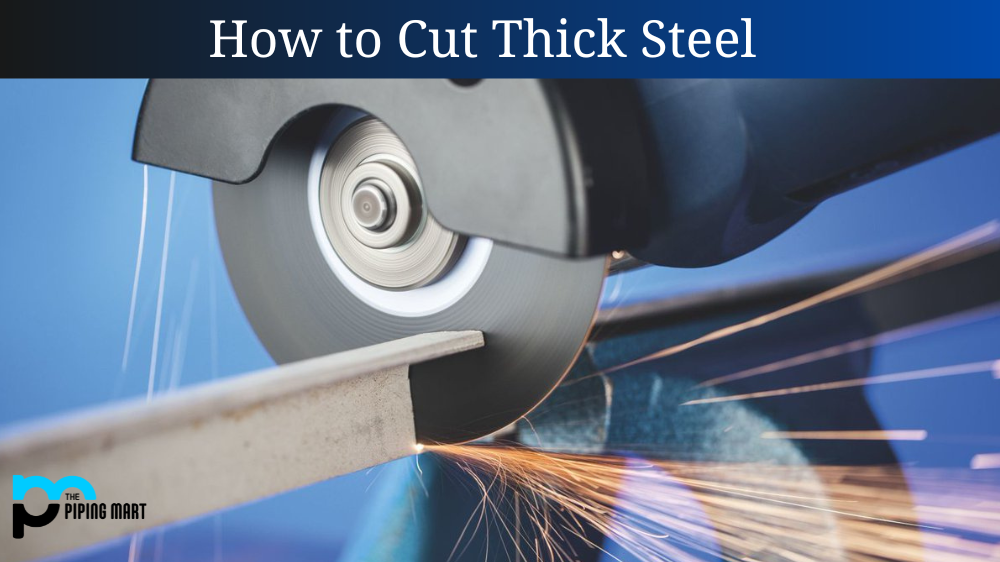
Alright, let’s kick things off with arguably the most common tool for this job: the angle grinder. Oh, the humble angle grinder! It’s like the Swiss Army knife of metal cutting. Got a cutting disc on it? Zoom! Sparks will fly, literally like a mini fireworks show in your workshop. It's incredibly satisfying, isn't it?
Must Read
It’s fantastic for rough cuts, getting through thicker stuff relatively quickly, and it’s generally pretty affordable. Plus, they’re so versatile – swap out the disc, and suddenly you’re grinding welds or polishing surfaces. But here’s the catch, and it’s a big one: precision isn't its strong suit. Your cuts can be a bit… rustic. And those sparks? They’re hot! Like, really hot. So, please, for the love of all things metal, wear your safety glasses, gloves, and ear protection. Seriously, your future self will thank you.
Oh, and ventilation! Don't forget that. Unless you enjoy breathing a delightful cocktail of metal dust and whatever else is in the air. Probably not.

Jigsaw with a Metal Blade: The Finesse Option?
Next up, we have the jigsaw. "Wait, a jigsaw for metal?" you might be thinking. Yep! Pop in a metal-cutting blade – they're usually finer-toothed and often made of bimetal or carbide for extra toughness. This is your go-to for more intricate cuts, curves, and lighter gauge sheet metal where an angle grinder would just shred things into oblivion.
It’s slower, sure, and you'll go through blades like nobody's business sometimes. But you get much more control, less heat distortion (usually), and a cleaner edge than a grinder. Think of it as the surgeon of the steel-cutting world, but perhaps a slightly nervous surgeon with a bit of a shake. Keep your cuts slow and steady, let the blade do the work, and maybe use some cutting fluid if you're feeling fancy. It helps prolong blade life and makes for a smoother cut. Who doesn't want a smoother cut?
Reciprocating Saw (Sawzall): The Demolition Dynamo
Now, if you need to just get through something, and precision isn't your top priority, grab your reciprocating saw, often affectionately called a Sawzall. This thing is a beast. With the right metal-cutting blade, it'll chew through pipe, rebar, and sheet metal with a relentless, back-and-forth motion. It’s loud, it vibrates like crazy, but boy, does it get the job done quickly.
It’s not for delicate work, by any stretch of the imagination. You’ll end up with a rougher edge, and keeping a straight line can be a bit of a challenge unless you're a seasoned pro. But for demo work, cutting pieces to rough size before refining, or just generally making things disappear, it’s a champ. Just hold on tight, okay? This isn't a gentle tool.
Shears: Snip, Snip, Clean!
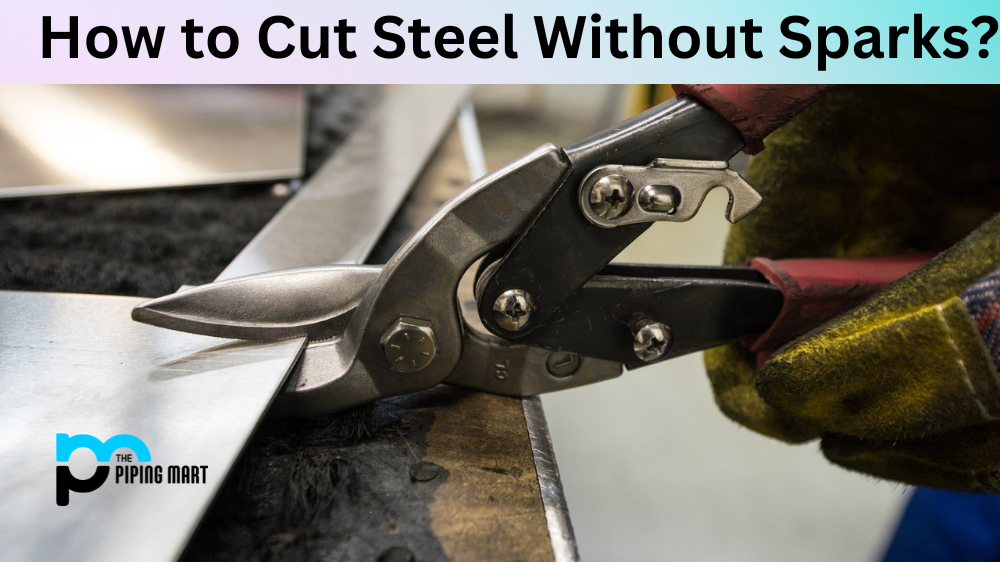
For thinner sheet metal, sometimes the simplest tool is the best: metal shears. We’re talking about tools that look like giant, heavy-duty scissors, either manual or electric. Remember those satisfaction videos of perfectly cut things? That's what you get with shears! They make super clean cuts with no kerf (that's the material lost to the blade), no sparks, and minimal heat.
Manual shears are great for small jobs and detailed curves, while electric shears can power through longer, straighter cuts without tiring out your hand. The downside? They're limited by thickness, and you can’t exactly cut intricate shapes into the middle of a panel without starting from an edge. Still, for lightweight fabrication or repairs, they're surprisingly effective and leave a beautiful edge.

Plasma Cutter: The Lightsaber of the Shop
Okay, now we're getting serious. If you need to cut thick steel, fast, and with incredible precision, often with intricate designs, then you're talking about a plasma cutter. This bad boy uses an electric arc to heat gas to a temperature so high it literally turns it into plasma, which then melts and blows away the metal. It’s like having a miniature sun in your hand!
Plasma cutters are amazing for speed and detail, cutting through material that would laugh at an angle grinder. But – and it's a significant "but" – they’re expensive, require an air compressor, and have a bit of a learning curve. Definitely not your weekend warrior’s first purchase, unless your weekend warrior budget looks more like a small country's GDP. But if you get to use one? Chef's kiss Pure cutting bliss.
Nibblers: Tiny Bites for Tricky Shapes
Ever heard of a nibbler? It's a fun little tool that, as the name suggests, "nibbles" away small bits of metal. Think of it like a very enthusiastic hole puncher that you move along a line. It's fantastic for making intricate cuts, especially in the middle of a sheet, where shears or even a jigsaw might struggle. No distortion, super clean edges, and surprisingly versatile for specific tasks.
They can be slow, especially manual ones, but for specific, delicate work on thinner sheets, they're truly invaluable. It’s like a tiny, determined metal beaver, just taking bite after bite until your perfect shape emerges.
So, What's the Takeaway?
Ultimately, the "best" way to cut steel sheet is the way that gets your job done safely, effectively, and within your budget. Always, always, always prioritize safety. We're talking eye protection, ear protection, gloves, appropriate clothing, and a stable workpiece. Seriously, don't skimp on that stuff. Metal dust and flying sparks are no joke.
Don't be afraid to experiment a little, maybe on some scrap pieces first. Each tool has its personality, its quirks, and its superpowers. Understand what you need to achieve, look at what you have available, and then confidently pick your weapon. You've got this! Now go forth and conquer that steel!