
Best Tungsten For Mild Steel
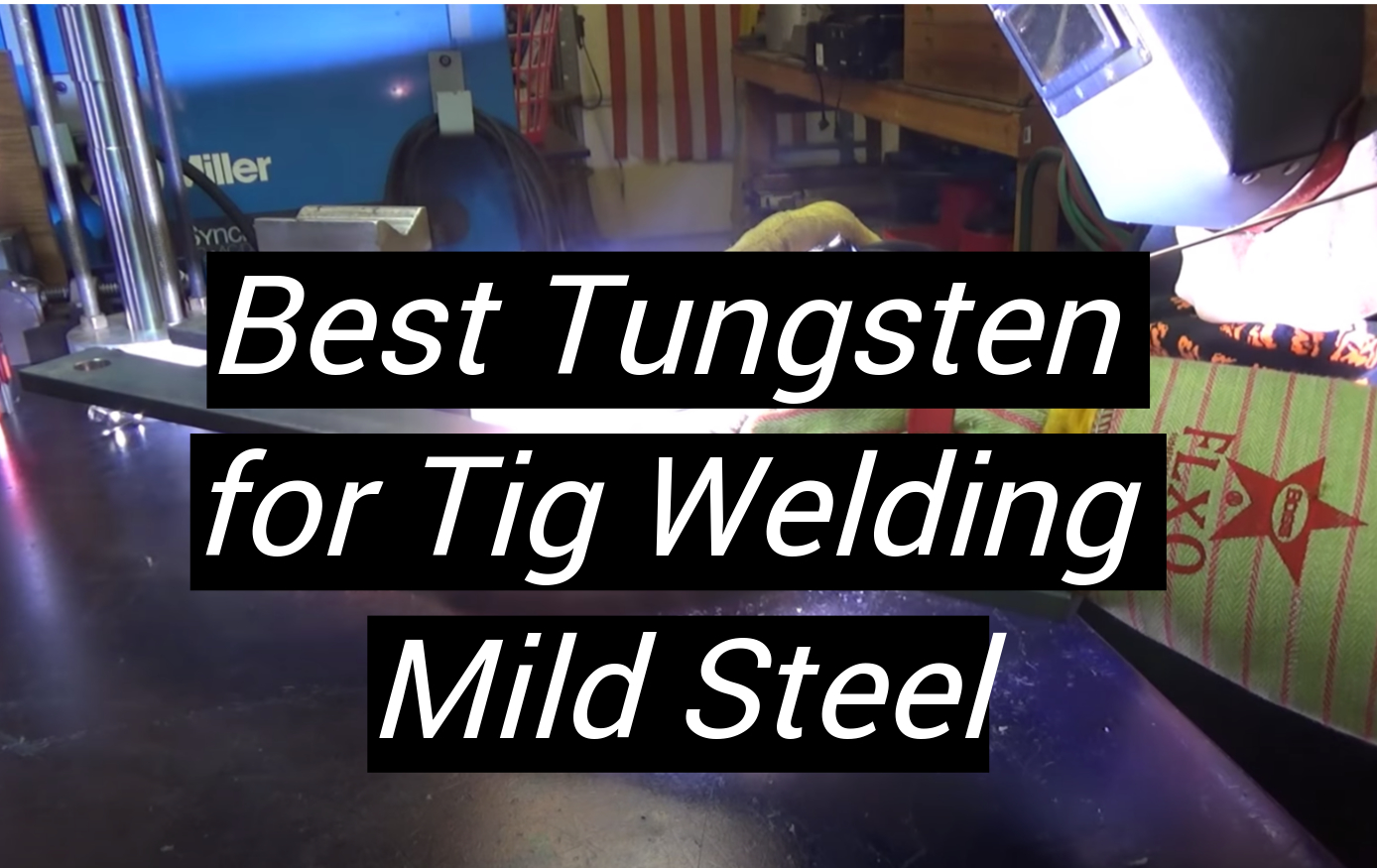
Alright, let’s talk shop, but in a way that won’t make your eyes glaze over faster than trying to assemble IKEA furniture with just the picture instructions. We’re diving into the wonderful world of choosing the best tungsten for mild steel, and trust me, it’s not as intimidating as picking out a fancy bottle of wine when you only know red or white.
You’re working with mild steel, right? That’s like the comfy, worn-in pair of jeans of the metal world. It’s everywhere, it’s forgiving, and it’s probably what you’re messing around with in the garage on that weekend project. But even the most easy-going metal needs the right partner when it comes to TIG welding. And that partner, my friend, is your tungsten electrode. Choosing the wrong one can feel like trying to open a can of beans with a spoon – frustrating, messy, and ultimately, not very effective.
The Great Tungsten Debate: Why Bother?
So, why can’t we just grab any old stick and get to it? Well, imagine trying to write a novel with a crayon. You could, technically, but it wouldn't be pretty, and you'd spend more time sharpening than writing. Tungsten is the tip of your TIG torch, the part that creates that beautiful, concentrated arc. It's like the conductor of an orchestra – if the conductor is grumpy or confused, the music (your weld) is going to sound like a cat fight in an alleyway.
Must Read
The right tungsten ensures a stable arc, easier starts, and welds that look like they were laid down by a robot, not by someone who just wrestled a badger. Get it wrong, and you'll be fighting your arc, getting erratic starts, and possibly making welds that resemble bird droppings. Nobody wants that!
Meet the Contenders: Who's Who in the Tungsten Zoo?
There are a few players in the tungsten game, each with their own quirks and fan clubs. For mild steel, which we’re almost always welding on DC (Direct Current), some shine brighter than others.

The Old Faithful (with a Secret): 2% Thoriated (Red Tip)
Ah, the red tip. This one's been around forever, like that reliable uncle who tells the same jokes every Christmas. It’s fantastic for DC welding, offering a super stable arc and excellent starts. It's truly a workhorse. However, here’s the kicker: it contains a small amount of thorium, which is mildly radioactive. Think of it like your grandpa’s trusty pocket knife – it’s great, but maybe don’t lick it or grind it without proper ventilation. Most hobbyists and even many pros still use it, but there's a modern alternative that's just as good, if not better, without the "glowing" reputation.
The Versatile All-Star: 2% Lanthanated (Blue Tip)
If there’s a superstar for mild steel, it's the 2% Lanthanated (blue tip). This is the Swiss Army knife of tungstens. It’s fantastic for DC, but also performs admirably on AC, making it incredibly versatile. It starts easily, maintains a stable arc even at lower amperages, and holds its tip shape really well. Think of it as that friend who’s good at literally everything – sports, cooking, fixing cars. For mild steel on DC, the blue tip is often the go-to choice because it delivers consistent performance without the thorium concern. It’s like finding that perfect pair of jeans that fits just right and goes with everything.

The Quiet Achiever: Ceriated (Grey or Orange Tip)
Ceriated tungsten (often grey, sometimes orange) is another solid contender for DC welding, especially for lower amperage work. It starts arcs beautifully at low amps and has a pretty decent lifespan. It’s like the diligent student in class – not always the flashiest, but incredibly reliable and performs consistently well, especially when precision at lower power is key.
The One That Likes Disco Lights: Pure Tungsten (Green Tip)
Just a quick mention of the green tip. This one is pure tungsten and it’s strictly for AC welding (think aluminum). If you try to use it on DC for mild steel, it’ll be like bringing a butter knife to a sword fight – it’ll ball up horribly and your arc will be all over the place. Definitely not what you want for mild steel!
![9 Best Tungsten For TIG Welding Mild Steel 2025: [Reviews]](https://weldsmartly.com/wp-content/uploads/2021/12/TIG-Welding-Tungsten-Electrode-2-Thoriated.jpg)
And The Winner Is... Drumroll Please!
For your mild steel projects, whether you’re fixing a fence or building a mini chopper, the 2% Lanthanated (blue tip) is generally your best bet. It gives you an incredible balance of arc stability, easy starts, and tip longevity on DC. It’s forgiving, reliable, and doesn’t carry any radioactive baggage. It just works, every time.
A Few Pointers for Your Pointer
Regardless of which tungsten you pick, a couple of things are crucial:
- Sharpening is key: For DC welding, you want a nice, sharp pencil-like point. Grind it lengthwise to about 2.5 times the electrode's diameter. A dull point makes for a wandering arc, like a confused toddler.
- Keep it clean: If your tungsten touches the puddle, stop, regrind, and start fresh. Contaminated tungsten is like trying to draw with a broken crayon – it just won’t work right.
So, there you have it. Choosing the best tungsten for mild steel doesn't have to be a bewildering ordeal. Go with the blue tip (2% Lanthanated), keep it sharp, and you’ll be laying down beads that make you proud. Happy welding!
