Best Temperature For Heater In Winter Celsius
Winter. The very word conjures images of crackling fireplaces, steaming mugs of cocoa, and… escalating energy bills? Let's face it, keeping warm during those chilly months can be a tricky balancing act. You want to be comfortable, but you also want to avoid single-handedly contributing to the polar ice cap melting. The key? Finding that Goldilocks temperature – not too hot, not too cold, but just right.
The Sweet Spot: 20-22°C (68-72°F)
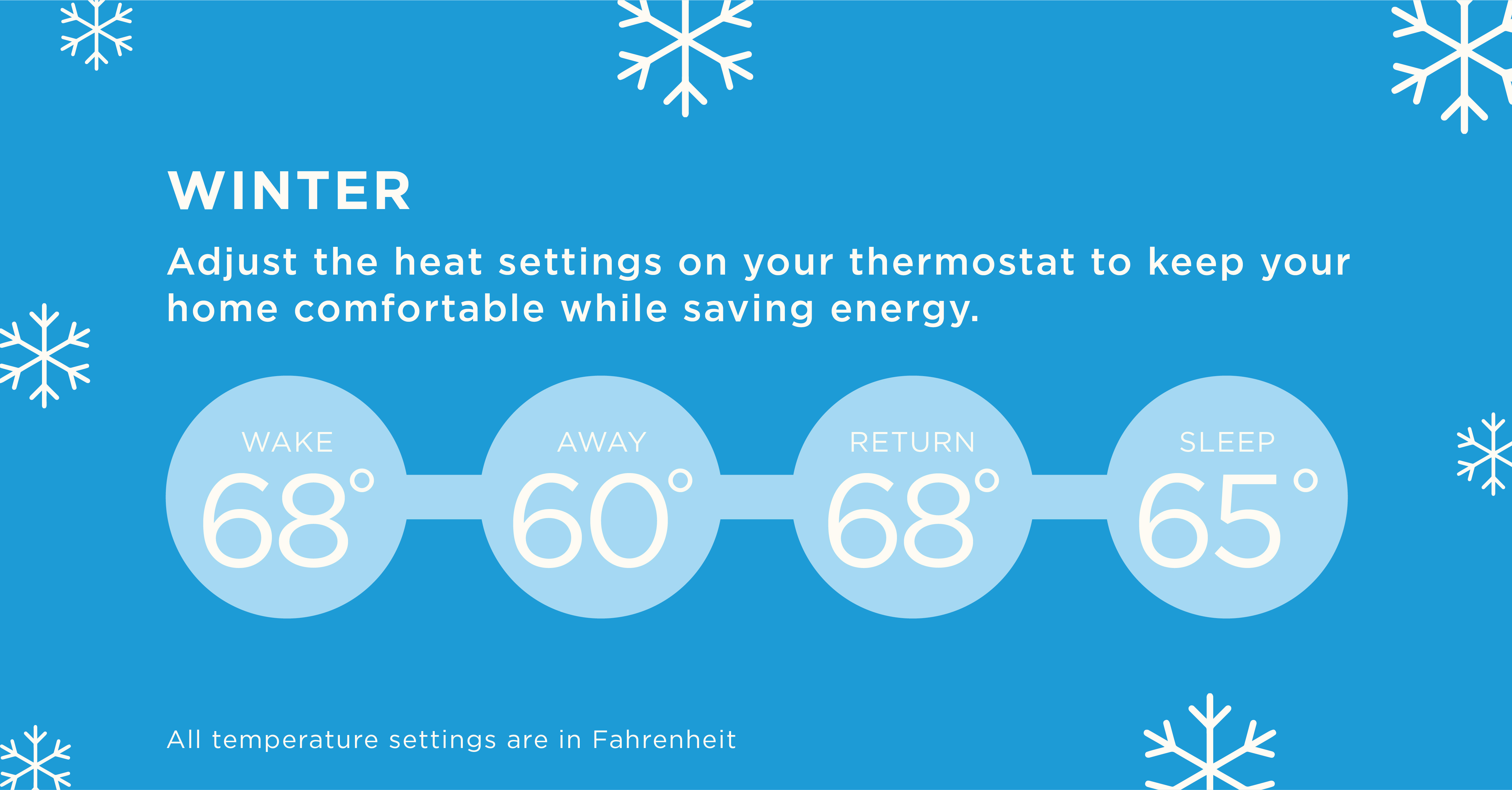
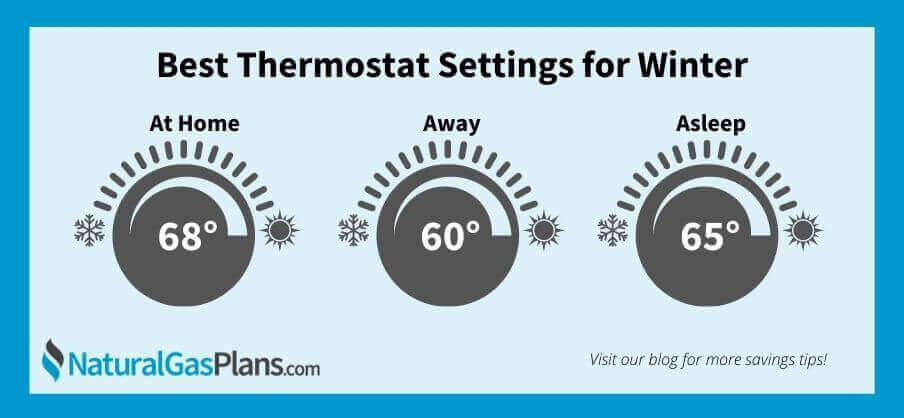
Generally, health experts recommend a thermostat setting of around 20-22°C (68-72°F) when you’re home and awake. This range provides a comfortable indoor environment for most people without sending your heating costs through the roof. Think of it as the equivalent of wearing a light sweater and socks indoors. You’re cozy, but not sweltering. This temperature range is also good for plants and pets.
But let's be honest, "most people" is a pretty broad category. Factors like your age, activity level, and even your inherent "heatiness" can all influence your ideal temperature. Are you someone who’s perpetually cold, even in summer? You might lean towards the higher end of that range. Do you tend to run hot? Maybe 20°C is your personal paradise.
Must Read
The Night Shift: Lowering the Thermostat for Sleep
Here's a fun fact: your body temperature naturally drops when you sleep. That's why a slightly cooler room can actually improve your sleep quality. Experts suggest lowering your thermostat to around 16-18°C (60-64°F) for optimal slumber. This not only helps you sleep better, but it also saves energy. It’s a win-win!
Think of it as embracing the Scandinavian concept of hygge – that cozy, contented feeling you get from simple pleasures. Snuggling under a thick duvet in a slightly cooler room definitely qualifies. Plus, lowering the thermostat at night can translate to significant savings on your energy bill over the long run. Consider investing in a programmable thermostat to automate this process.

Practical Tips for Maximizing Warmth (and Savings)
Setting the right temperature is just one piece of the puzzle. Here are some extra tips to keep you warm and cozy all winter long:
- Seal those drafts: Weather stripping around doors and windows can make a huge difference in preventing heat loss.
- Embrace the power of rugs: Bare floors can feel cold underfoot. A plush rug can instantly make a room feel warmer.
- Layer up: Don't underestimate the power of a good sweater and a pair of fuzzy socks.
- Harness the sun: Open your curtains during the day to let the sun's warmth in, and close them at night to trap the heat.
- Maintain your heating system: Regular maintenance, like changing your furnace filter, ensures your system is running efficiently.
Cultural Warmth: Beyond the Thermostat
Different cultures have different approaches to staying warm in winter. In some Nordic countries, for example, it's common to prioritize layering clothing and using blankets rather than cranking up the heat. This sustainable approach is not only good for the environment, but it also encourages a more mindful relationship with energy consumption.
Think of the Japanese kotatsu, a low table with a heater underneath and a blanket draped over it. Entire families gather around the kotatsu during the winter months, enjoying warmth and camaraderie. It's a beautiful example of how staying warm can be a social and cultural experience.
Small Changes, Big Impact
Finding the best temperature for your heater in winter is about more than just comfort. It's about finding a balance between personal preference, energy efficiency, and environmental responsibility. It's about making conscious choices that not only keep you warm and cozy but also contribute to a more sustainable lifestyle. It's about asking yourself, "Do I really need the thermostat set that high?" Often, the answer is no. A simple adjustment can make a big difference.
So, take a look at your thermostat. Experiment with different settings. Find that sweet spot that works for you. And remember, a little awareness can go a long way in creating a warmer, cozier, and more sustainable winter for everyone.