
Best Temp For House In Winter

Okay, picture this: It's a Tuesday in January, the kind where the outside air feels like a personal attack, and you're bundled up on the couch, watching snow drift past the window. Your significant other (or roommate, or even just your inner monologue) pipes up, "Are you sure it's not too cold in here? I could swear I saw my breath!" Meanwhile, you're secretly sweating under two blankets, contemplating whether it's socially acceptable to open a window for a quick, icy blast. Sound familiar? Because that, my friends, is the eternal winter struggle in pretty much every heated home across the globe.
We're all chasing that elusive sweet spot, aren't we? That Goldilocks temperature where it's not so warm you're funding the electric company's next yacht, but not so cold you're contemplating hibernating till spring. So, let's dive headfirst into the great cozy conundrum: what's the best temp for your house in winter?
The Great Balancing Act: Comfort vs. Cash
First things first, there's no single, universal answer stamped on a thermostat instruction manual. Sorry to burst that bubble! Your "perfect" temperature is a delicate dance between your personal comfort, your household's habits, and frankly, your budget. Because let's be real, cranking the heat up to tropical paradise levels feels amazing for about five minutes, right before you remember the next utility bill is going to look like a small mortgage payment.
Must Read
The core tension here is always comfort versus cost. How much are you willing to pay to feel toasty, and at what point does "toasty" become "scorching" for your wallet?
When You're Home and Awake: The Sweet Spot
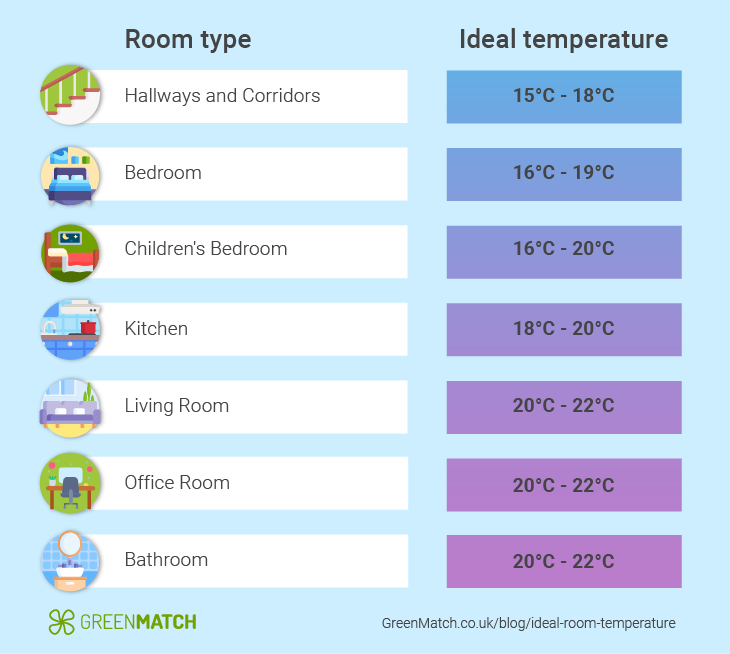
Alright, let's talk about those active hours. When you're bustling around, making coffee, binging Netflix, or attempting to work from home, you generally want things pretty comfortable. Most experts (and countless shivering souls) agree that somewhere in the range of 68-72°F (20-22°C) is a good starting point.
Think about it: at 68°F, you might need a light sweater or long sleeves. At 72°F, you're probably fine in a t-shirt. It really comes down to your personal preference. Are you someone who runs hot, or are you perpetually cold? (I'm usually the latter, hence the aforementioned two blankets.)
Pro tip: Before you crank the thermostat, try adding a layer! A cozy hoodie or some wool socks can make a surprising difference and save you a few bucks. It's like magic, but with fabric.

When You're Out: Don't Freeze Your Pipes (or Your Wallet)
Leaving the house for work or a quick grocery run? You absolutely do not need to keep your home at peak comfort levels. But here's the kicker: you also shouldn't turn your heat completely off, especially if it's super chilly outside. This isn't just about coming back to an icebox; it's about preventing burst pipes, which is a headache and an expense no one wants. Trust me on this one.
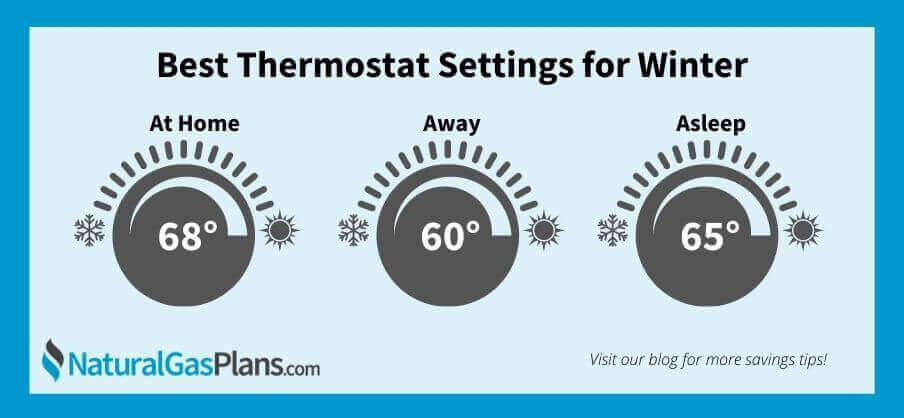
A good rule of thumb for when you're out for several hours is to set your thermostat back by about 7-10 degrees Fahrenheit. So, if your comfortable daytime temp is 70°F, set it to 60-63°F. This keeps your house from getting dangerously cold, prevents pipes from freezing, and significantly reduces your energy consumption.
If you're going to be gone for more than a day or two, aim for at least 55-60°F (13-16°C). It’s enough to keep the chill at bay and protect your home, without hemorrhaging cash.
When You're Sleeping: Cooler is (Usually) Better
Here’s where things get interesting. Most sleep experts agree that a slightly cooler room is actually better for a good night's rest. Our bodies naturally drop in temperature when we sleep, and a cool environment helps facilitate that process. Think about snuggling under a warm duvet in a cool room – pure bliss, right?
Aim for something in the range of 60-67°F (15-19°C). You might find that even 60°F feels surprisingly comfortable when you're under the covers. If you're waking up sweaty, your bedroom is definitely too warm. Experiment a bit here; your ideal sleep temperature might surprise you!
Smart Thermostats: Your New Best Friend
Before we wrap this up, a quick shout-out to smart thermostats. Seriously, if you don't have one, consider it. They take a lot of the guesswork out of this whole balancing act. You can program schedules, control it from your phone, and some even "learn" your habits. It's like having a tiny, energy-saving butler for your heating system. Game changer, I tell ya.
The Takeaway: It's All About You (and Your Bills)
So, what's the ultimate best temp for your house in winter? It's really your best temp. Start with the general recommendations: 68-72°F when home, 60-63°F when out, and 60-67°F for sleeping. Then, pay attention to how you feel, what your family (or pets!) are telling you, and, yes, what those utility bills are screaming at you.
Adjust, experiment, and don't be afraid to pull on an extra sweater. Because ultimately, the goal is to be comfortable, save a bit of cash, and not have to wear a ski mask indoors. Happy heating, everyone!