Best Temp For Heater In Winter To Save Money
Winter is here, and while cozying up under a warm blanket sounds delightful, the thought of skyrocketing energy bills might send a shiver down your spine. We all want to stay comfortable without emptying our wallets, right? That’s where the magic number comes in: the best temperature for your heater to save money. It's a surprisingly fascinating puzzle with direct impact on our daily lives.
So, what exactly is this "best" temperature? It's not a one-size-fits-all answer, unfortunately. It's about finding a sweet spot where comfort and cost-effectiveness meet. The purpose is simple: to minimize your energy consumption (and therefore your bills) while still keeping your home at a comfortable and healthy temperature. The benefits extend beyond just your bank account. Using less energy also means reducing your carbon footprint, contributing to a more sustainable lifestyle. Think of it as a win-win!
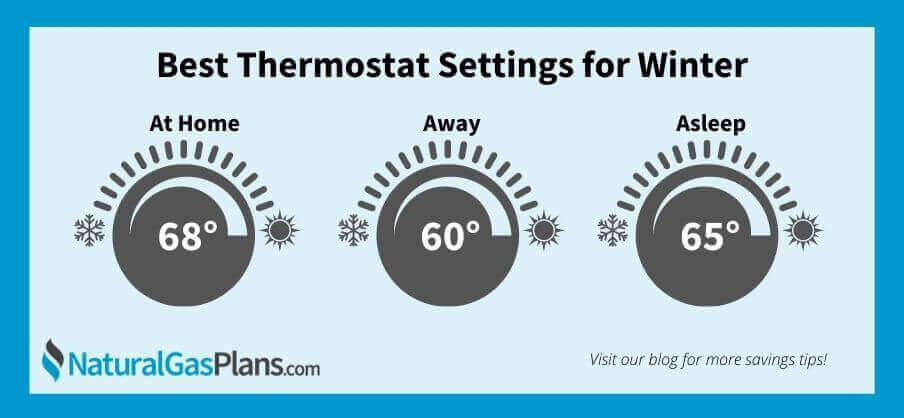
How does this play out in daily life? Imagine you're a student trying to focus on studying for exams. Cranking up the heat to a balmy 75 degrees Fahrenheit might seem tempting, but it can actually make you drowsy and less productive. Conversely, shivering in a chilly room won't exactly foster concentration. Finding that optimal temperature – maybe around 68 degrees Fahrenheit – allows you to study effectively without burning through your limited budget. Or perhaps you're a parent working from home while juggling childcare. Lowering the thermostat a few degrees while everyone is bundled up in sweaters can make a significant difference over the course of a winter. You might not notice the slight temperature change, but your wallet certainly will.
Must Read
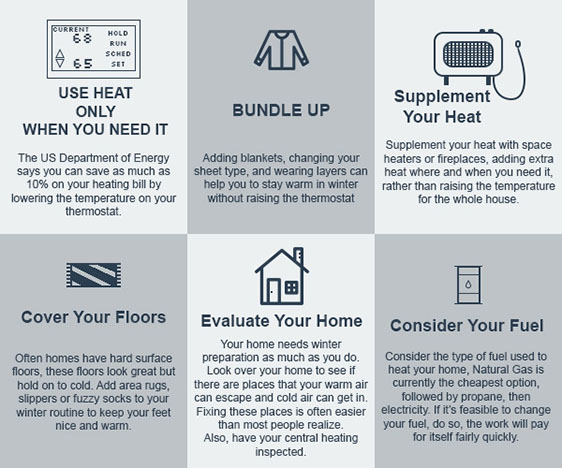
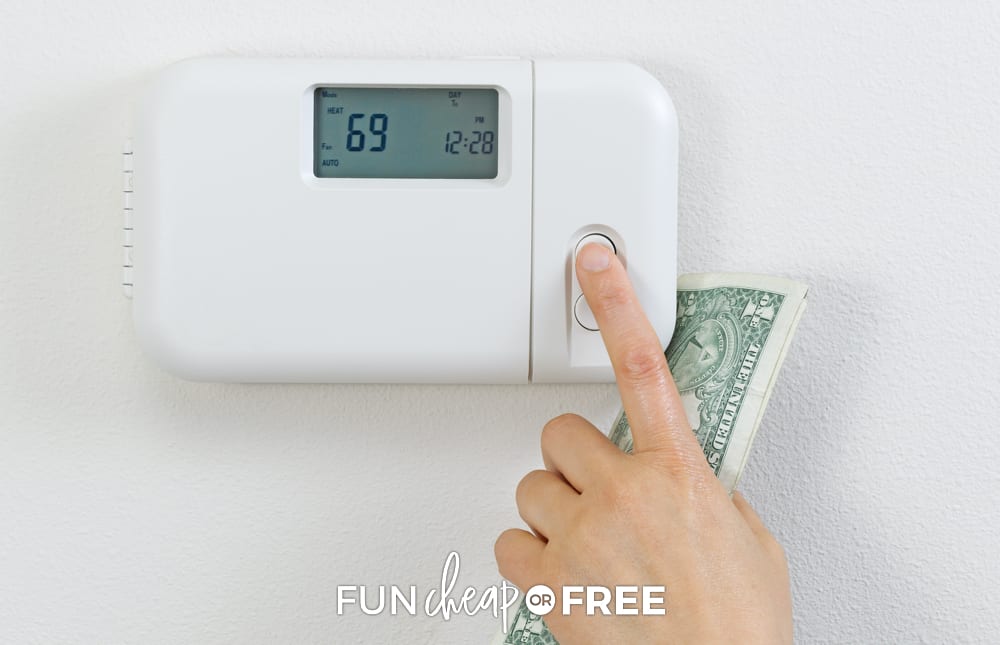
Beyond just setting a static temperature, consider these practical tips to explore the idea further. First, use a programmable thermostat. These handy devices allow you to set different temperatures for different times of the day. Lower the temperature while you're asleep or away from home. For example, setting the thermostat back 7-10 degrees for 8 hours a day can save as much as 10% on your heating bill. That's real money!

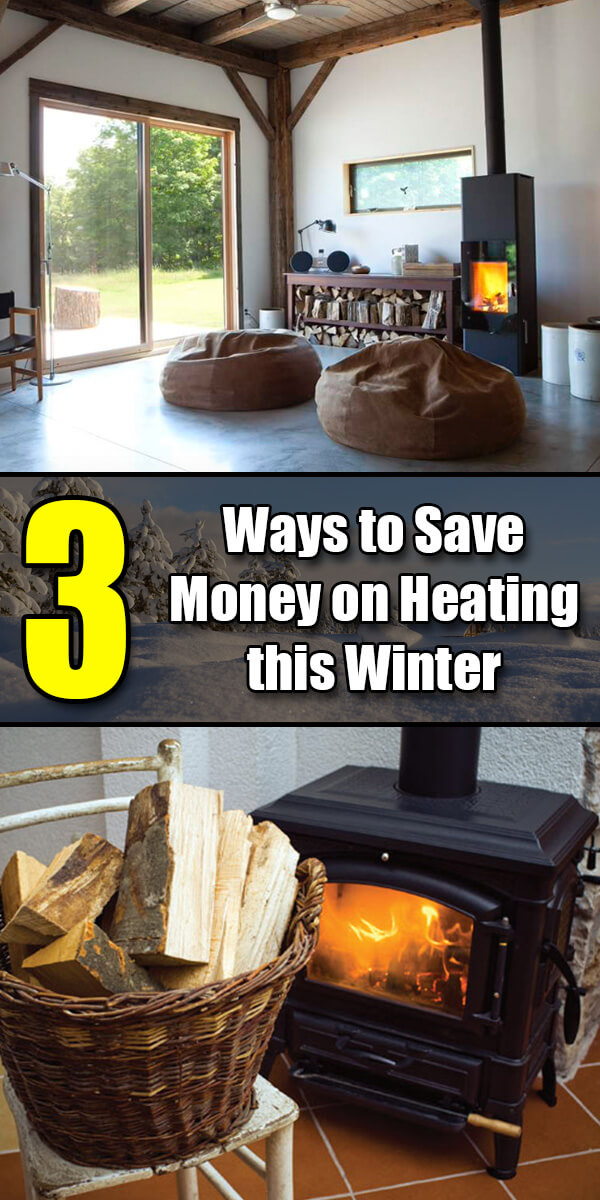
Second, experiment. Gradually lower your thermostat by a degree or two each day and see how you feel. You might be surprised at how little you notice the difference, especially if you're wearing warm clothing. Third, think about supplementing your heating with other methods. Using a space heater in the room you're currently occupying can be more energy-efficient than heating the entire house. Ensure it's a safe and modern model, though! Fourth, address any drafts in your home by sealing windows and doors. This helps prevent heat from escaping and forces your heater to work less hard. Even a simple draft snake placed at the bottom of a door can make a noticeable difference.
Ultimately, finding the best temperature for your heater is a personal journey. There's no magic bullet. However, by understanding the purpose, exploring different strategies, and paying attention to your own comfort levels, you can successfully navigate the winter months while keeping both your home warm and your energy bills manageable. Happy experimenting!