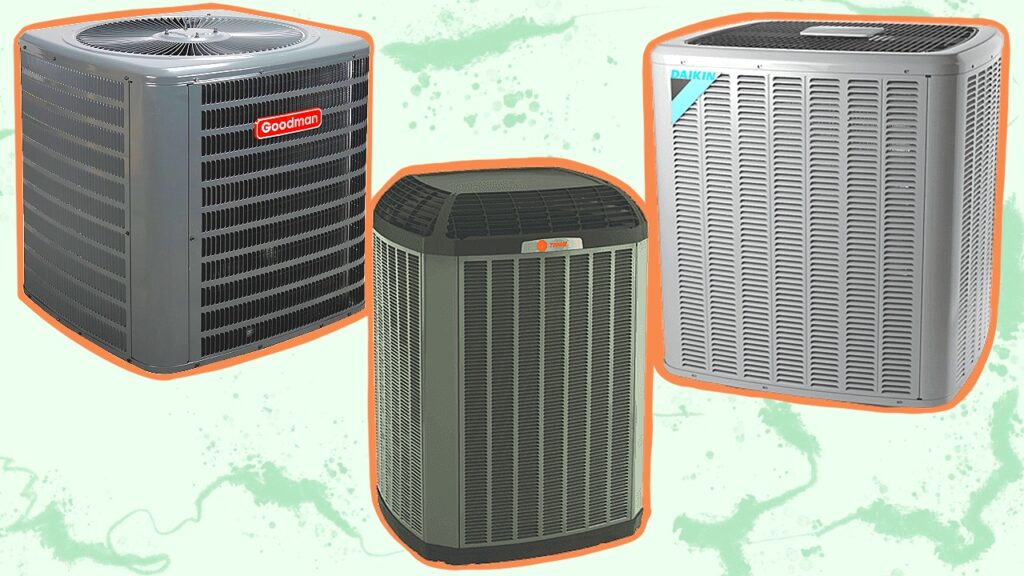
Best Rated Central Air Conditioning Systems
Let's be honest, talking about central air conditioning systems might not sound like the most thrilling topic for a casual chat. But stick with me for a moment! Think about those scorching summer days when you're practically melting just walking to your car. Or those stuffy classrooms where focusing feels impossible because you're too busy fanning yourself. That's where the magic of central AC comes in, and understanding it a little better can make a huge difference in your comfort and even your wallet.
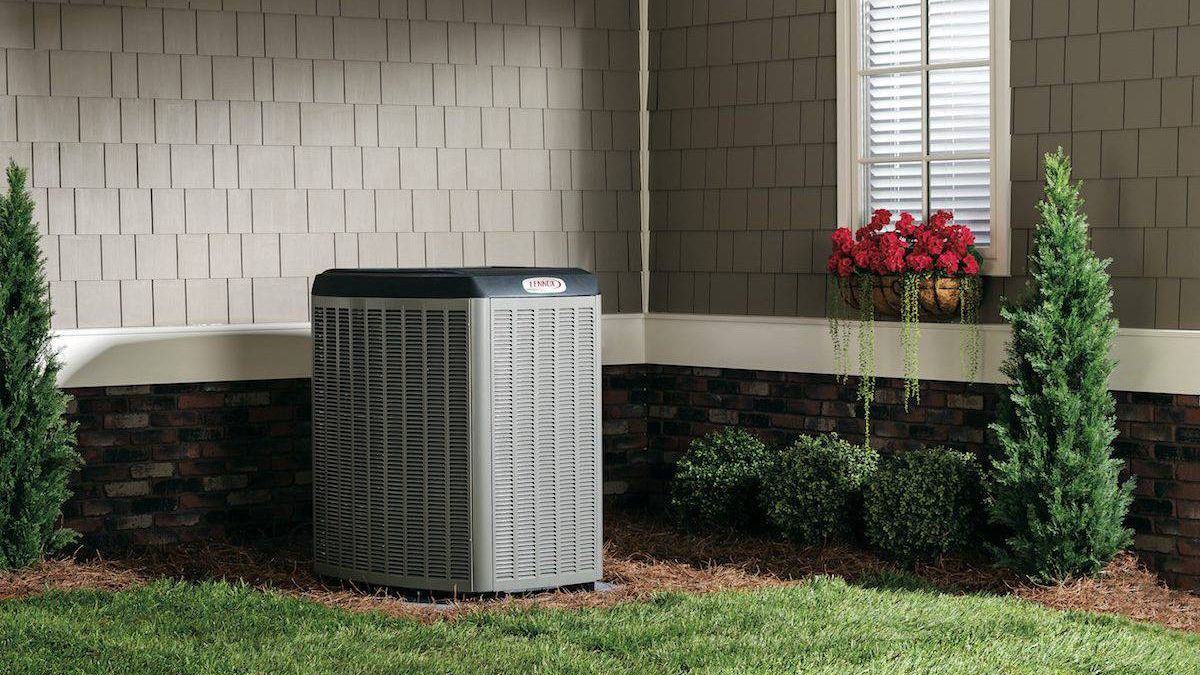
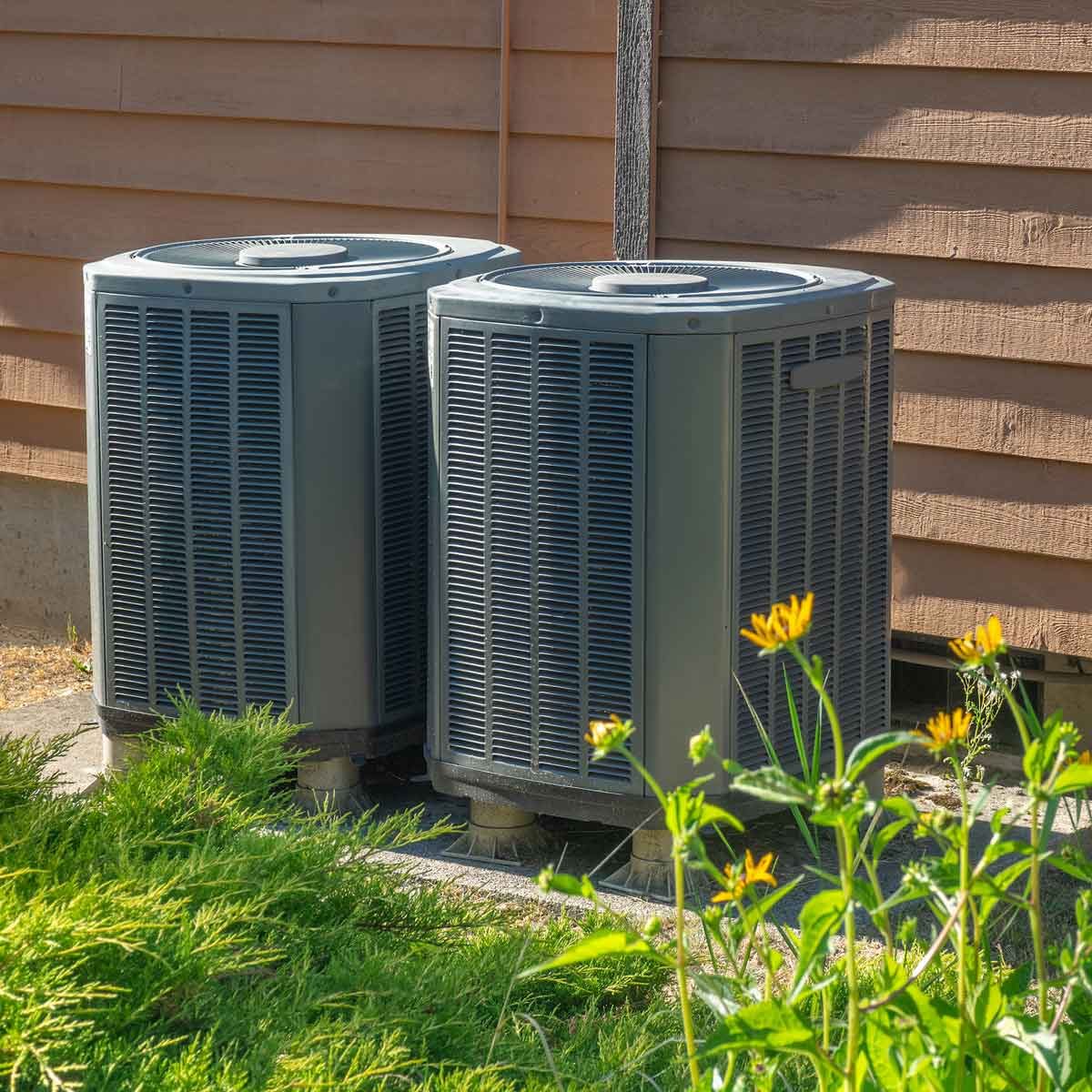
So, what exactly is central air conditioning? In simple terms, it's a system that cools your entire home or building from a single, central location. Unlike window units that only cool one room, central AC uses a network of ducts to distribute chilled air throughout your space. A central unit typically sits outside, where it extracts heat from the air inside your home and releases it outdoors. The cooled air is then blown through the ducts, keeping every room at a comfortable temperature. This is achieved with a series of components, including a compressor, condenser, evaporator, and refrigerant, all working in harmony.
The benefits are pretty clear: consistent temperature throughout your entire house, less noise compared to multiple window units, and often, improved air quality. Think about how much more productive you are when you're not distracted by being too hot or too cold. In schools, this means students can focus better on learning. In offices, employees can be more efficient. And at home, it means you can relax and enjoy your time without being uncomfortable. Furthermore, central AC systems can often be integrated with smart thermostats, allowing for precise temperature control and energy savings. This leads to reduced electricity bills and a smaller carbon footprint, a win-win for everyone.
Must Read
You encounter central AC everywhere! From your local grocery store to the library, from hospitals to movie theaters, you're likely benefiting from this technology. Even many modern cars use a similar principle to cool the cabin. Consider the sheer scale of impact. Without efficient cooling systems, many parts of the world would be considerably less habitable, and economic activity would be significantly hampered. Think about the impact on industries like data centers, which rely heavily on precise temperature control to prevent equipment failure.
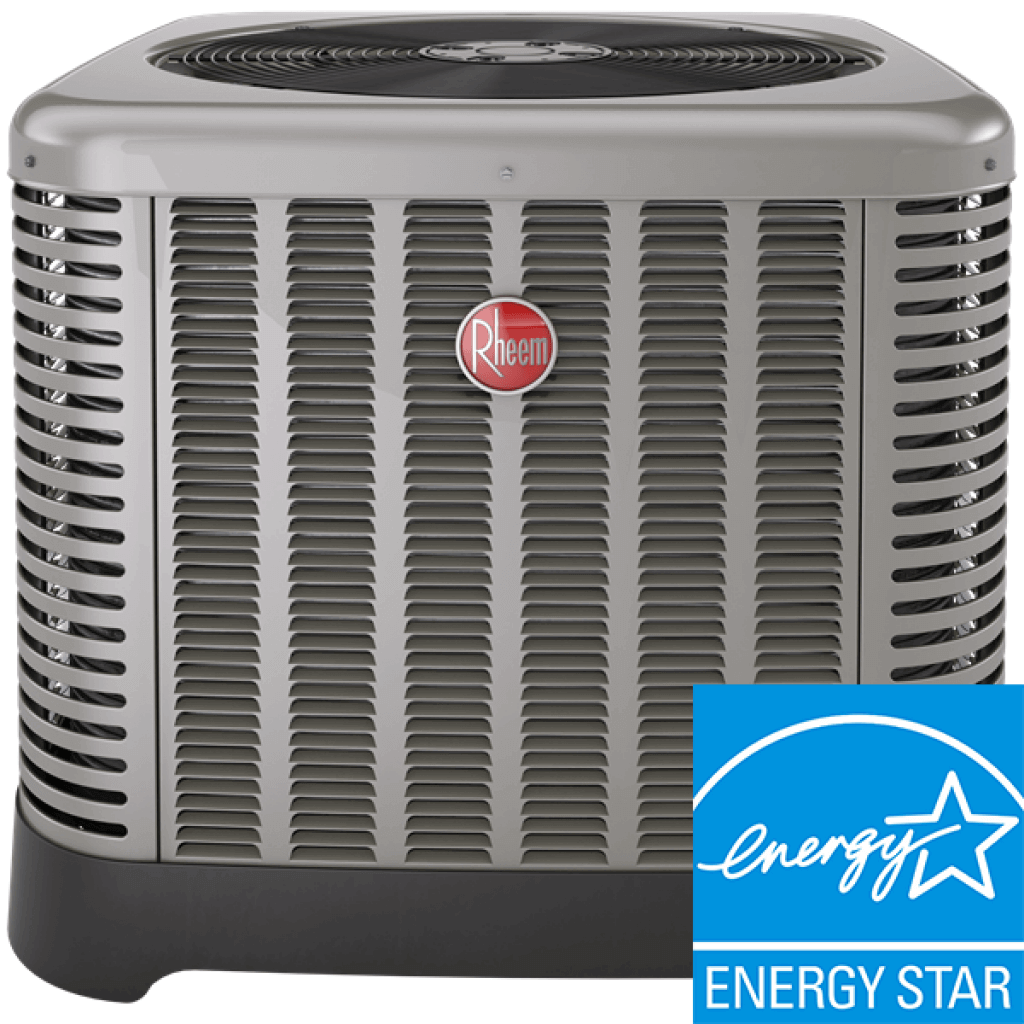
Want to learn more? Start by simply observing the AC units in your neighborhood. Note the different sizes and styles. You can also research online using terms like "SEER rating" (a measure of energy efficiency) or "HVAC systems" (heating, ventilation, and air conditioning). Check out manufacturer websites and consumer reports to see what other people are saying about different models. Perhaps the easiest way to get a practical understanding is to talk to an HVAC professional. They can explain the specific features of different systems and help you determine what's best for your needs. Also, don’t be afraid to experiment with your own thermostat settings to see how different temperatures affect your comfort and energy consumption. With a little bit of curiosity, you can become a central AC aficionado in no time!