
Best Mig Gas For Mild Steel
Alright, let’s talk about something super cool that often gets overlooked in the world of welding: MIG gas! We all get excited about the welder itself, the wire, maybe even those snazzy gloves. But the gas? It’s the unsung hero, the invisible magic that makes your welds sing! Especially when you’re tackling good old mild steel, getting your gas choice right isn't just important, it's a game-changer.
Think of it like choosing the right spice for your dish – different welds need different atmospheric condiments to achieve that perfect, beautiful bead. Let’s dive into the bubbly world of shielding gases and find out what makes it so much fun!
The Big Contenders: Who's Who in the Gas Gang?
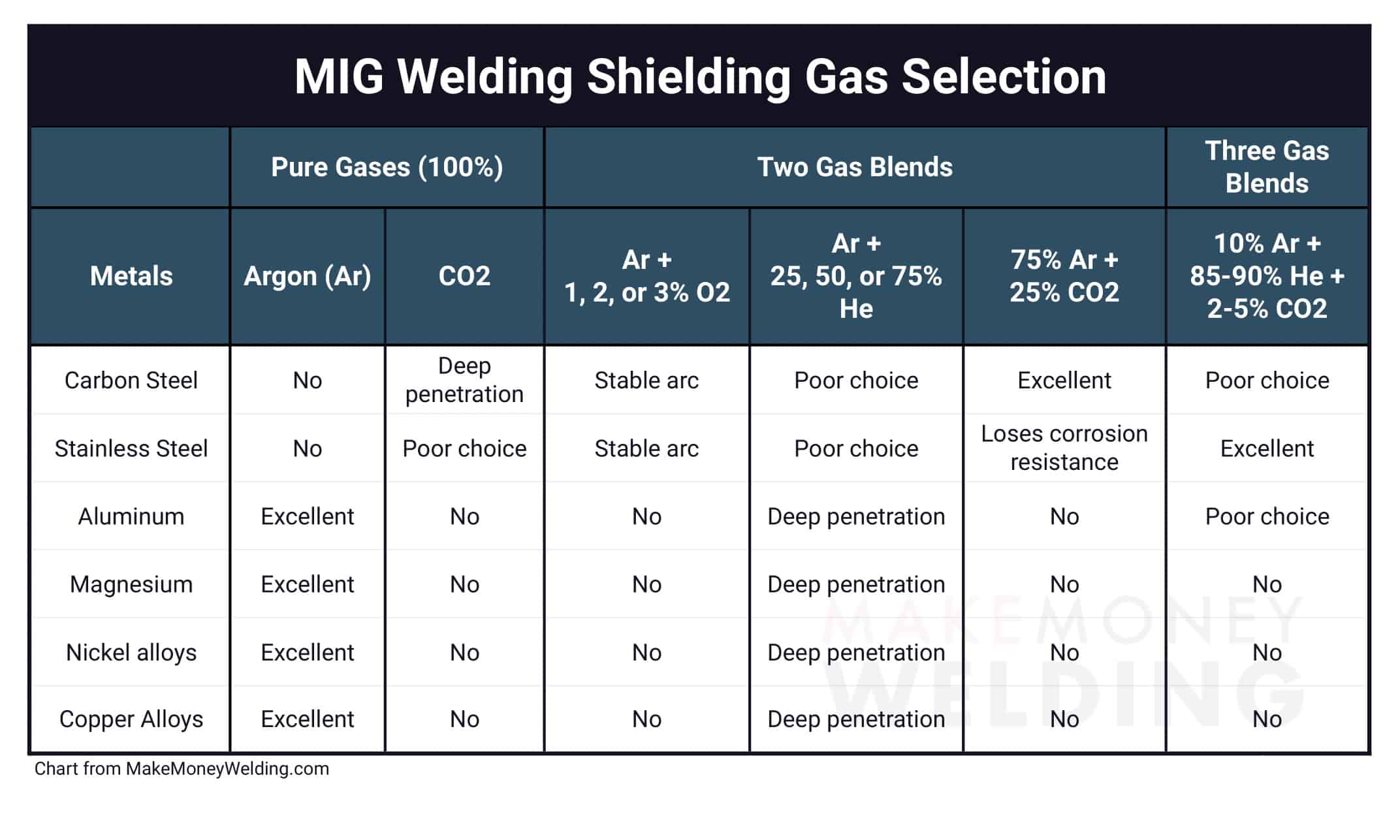
The Champ: 75% Argon / 25% CO2 (aka C25 or Ar/CO2)
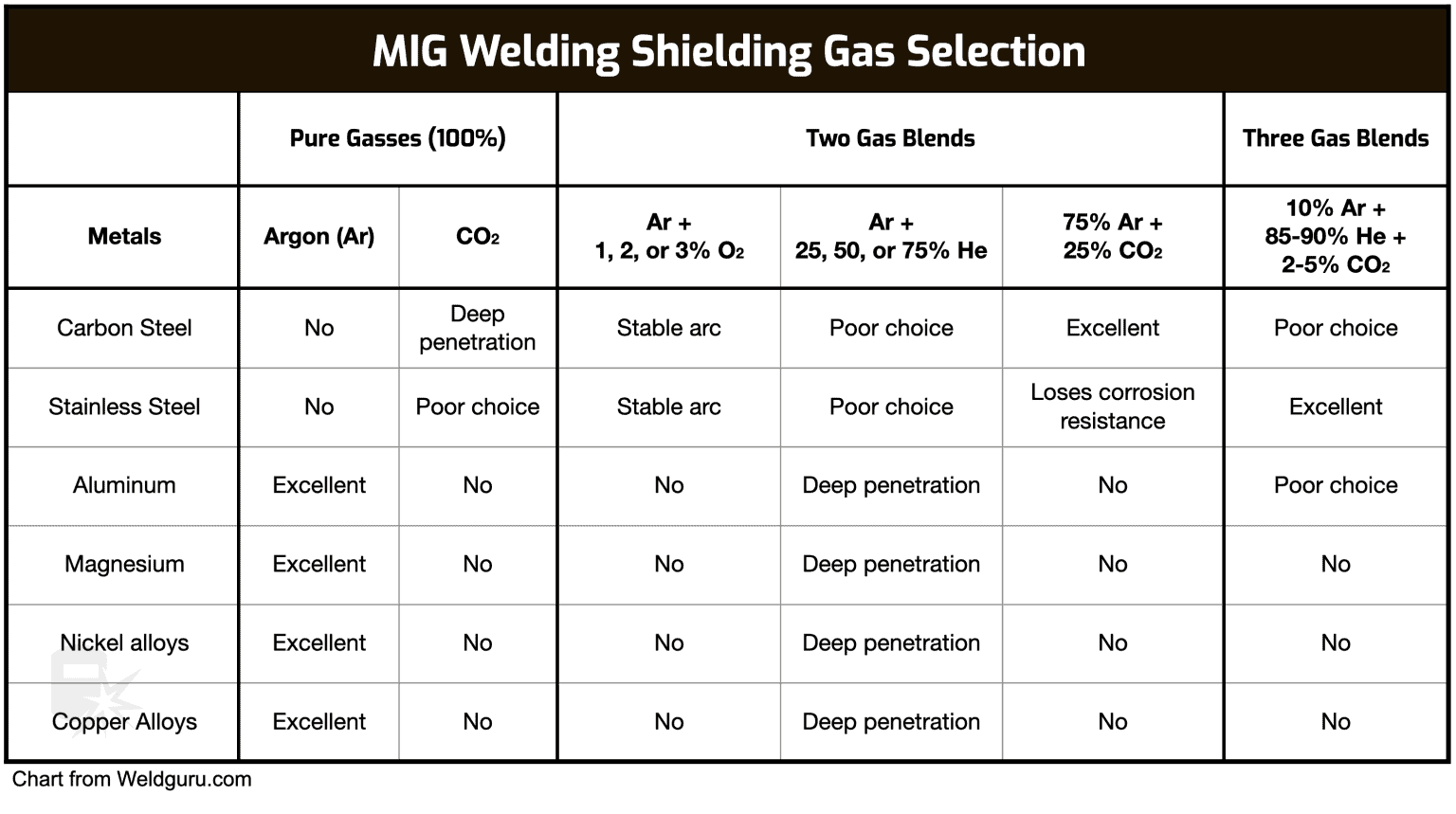
If there’s a superstar in the MIG gas lineup for mild steel, it’s this guy. Seriously, 75% Argon and 25% Carbon Dioxide, often called C25, is the absolute darling of most hobbyists and pros alike. Why? Because it’s like the Swiss Army knife of gases! It offers a fantastic balance of everything you want.
Must Read
With C25, you get a smooth, stable arc that's just a joy to work with. It produces minimal spatter – those annoying little molten metal BBs that fly everywhere and make your cleanup a headache. Plus, it gives you good bead appearance and excellent penetration. It's the gas that says, "Hey, let's make this easy and pretty!" You’ll find your welds looking crisp, clean, and strong. It's truly the go-to for general-purpose MIG welding on mild steel.
The Old School Tough Guy: 100% CO2
Now, let's talk about the OG, the veteran in the gas game: 100% Carbon Dioxide. This one’s been around the block, and it's got a reputation for being a bit of a brute – in the best way possible! If C25 is smooth jazz, 100% CO2 is heavy metal thunder. It’s significantly cheaper than Argon mixes, which makes it a fantastic budget-friendly option.

100% CO2 delivers deep, aggressive penetration, making it awesome for thick, dirty, or rusty mild steel. It really digs in! The downside? Expect more spatter and a slightly harsher arc compared to C25. But sometimes you need that extra kick, right? It's the rugged pickup truck of gases – not always the smoothest ride, but it gets the job done with serious muscle. Many industrial shops still use it for its sheer power and cost-effectiveness.
The Niche Ninjas: Other Argon/CO2 Blends
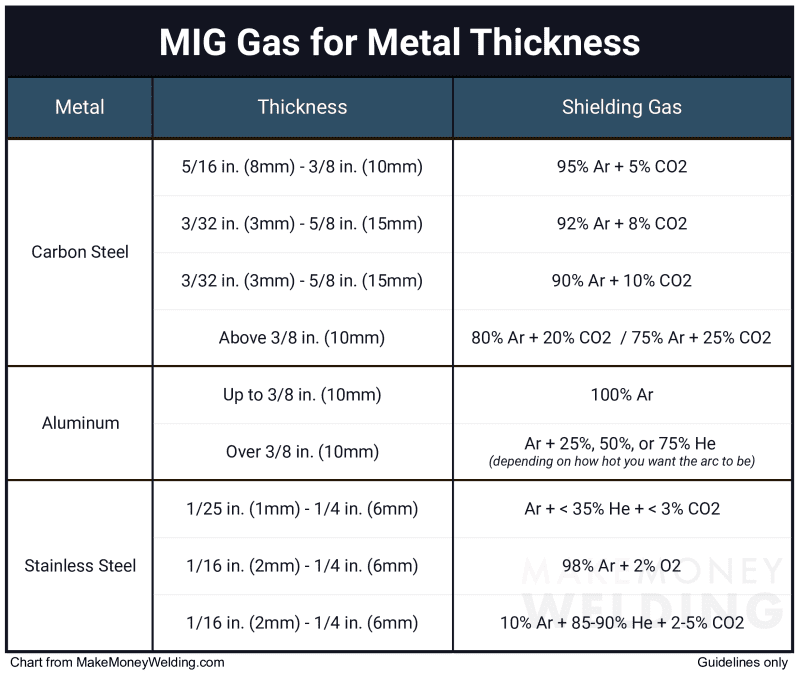
While C25 and 100% CO2 are the main characters, other blends exist, like 90% Argon / 10% CO2 or even 92% Argon / 8% CO2. These are like specialized tools. They tend to produce even less spatter and prettier looking welds than C25, especially on thinner materials. They might cost a bit more, but if appearance is absolutely paramount, these lighter CO2 mixes might be your secret weapon for extra finesse!

Why Does This Gassy Stuff Even Matter?
You might be thinking, "It's just gas, what's the big deal?" Oh, my friend, it's a HUGE deal! The gas has several incredibly important jobs:
Shielding the Weld: The Invisible Bodyguard!
This is probably the most critical role. Molten metal is super reactive to oxygen and nitrogen. These sneaky atmospheric gases cause porosity (tiny holes!), brittleness, and a weak, ugly weld. The shielding gas creates an invisible protective bubble around your weld, pushing away those baddies. It's like a tiny, but powerful, force force field!
Arc Stability and Transfer: Happy Electricity!
The gas also affects how smoothly the electricity flows from wire to workpiece. Argon-rich gases promote a smoother, more stable arc, leading to less spatter and cleaner metal transfer. CO2 makes the arc a bit more "ballistic," giving deeper penetration but also more spatter. It’s all about making the electricity happy and predictable!
Weld Profile and Penetration: Sculpting Your Metal!
Ever notice how some welds sit high and others dig in? That’s partly your gas choice! CO2-rich gases generally provide deeper penetration for stronger joints in thick materials. Argon mixes give you a flatter, wider bead profile, which can look super neat and tidy. The gas literally helps sculpt your molten metal masterpiece!
The Quirky Fun of Gas Cylinders!
Let's not forget the cylinders themselves! They're big, heavy, and often intimidating. But there's something satisfying about having that huge bottle of invisible power standing guard next to your welder. And the sound of the gas regulator gently hissing as you set your flow rate? Pure welding zen! Every time you open that valve, you're unleashing a controlled stream of chemical magic. These gases, seemingly ordinary, are literally transforming metal at extreme temperatures with a delicate dance between electricity, wire, and this invisible shield. Pretty wild, right?
So, What's the Verdict for Mild Steel?
For most folks welding mild steel, especially if you're just starting out or doing general fabrication, 75% Argon / 25% CO2 is your absolute best bet. It’s versatile, forgiving, and produces excellent results. But don't be afraid to try 100% CO2 if you're on a budget, working on thicker stuff, or just want to experience that raw power!
Ultimately, the "best" gas is often the one that gives you the results you need and enjoy working with most. Experiment a little (safely, of course!), pay attention to how your welds look and feel, and you’ll quickly become a gas guru yourself. Who knew talking about welding gas could be this much fun?! Now go forth and make some awesome welds!