
Best Electric Motor For A Car

Okay, let's talk about electric cars. Everyone is buzzing about them these days, right? It's all about impressive range, lightning-fast charging speed, and how quickly they can zoom off the line.
But then there's that one question, often asked by the more technically inclined, that makes everyone pause: "What's the best electric motor for a car?"
You know, the kind of question that makes you feel like you should have an engineering degree just to understand the answer. Well, get ready for a little truth bomb.
Must Read
Because, honestly, I think we're all overthinking this specific detail. Like, way too much for a casual, fun discussion about driving. Let’s lighten up a bit, shall we?
The Great Motor Debate: Do You Even Notice?
You hear engineers and car enthusiasts go on and on. They'll talk endlessly about AC induction motors versus permanent magnet motors.
It’s often presented as if one is clearly superior, a triumphant champion over a meek underdog. But is it really that crucial when you're just trying to get groceries?
It's a bit like agonizing over whether your amazing coffee was brewed with an automatic drip machine or a fancy French press. The end result is still a delicious, energizing cup.
Do you truly care about the precise brewing method once that delightful caffeine hit arrives? My guess is, probably not, as long as it wakes you up and tastes great.
The same often goes for electric motors in your car. The feeling you get behind the wheel is what truly matters, not the specific internal wizardry.
"The 'best' electric motor for a car? It's the one you never have to think about. Seriously, never."
Think about it for a moment. When was the last time you bought a new refrigerator and interrogated the salesperson about the specific type of compressor motor inside? Never, right?
You just wanted your food to stay cold. You wanted it to be quiet when running. And you definitely wanted it to last for years without a fuss. The motor type was practically invisible to your concerns.
Electric cars are rapidly reaching that point. They are becoming incredibly advanced, incredibly cool, yet ultimately everyday appliances. They just happen to transport you at exhilarating speeds.

We celebrate the silent acceleration, the smooth ride, and the instant, delightful power. These are the traits that truly define the EV experience for most drivers.
The motor's specific classification is often just a footnote in this exciting new chapter of driving. It’s like admiring a beautiful painting without needing to know the brand of brush used by the artist.
Meet the Contenders (Briefly, Because Who Has Time for Extreme Detail?)
Alright, a super-quick, ridiculously simplified peek at the two main motor stars. On one side, you have the AC induction motor.
These are like the sturdy, dependable workhorses of the electric motor world. They're robust and don't rely on expensive, hard-to-source rare earth materials for their magnets.
You often find them doing fantastic work, pushing older Tesla models and some other EVs along with impressive, consistent power. They are known for their reliability and getting the job done, day in and day out.
They hum along happily, delivering that signature electric surge that pins you back in your seat. It's a proven, powerful technology that works wonderfully.
Then there are the permanent magnet synchronous motors. These are often presented as the more modern, perhaps "fancier," option for many EVs today.
They tend to be smaller, lighter, and often a smidge more efficient, especially at lower speeds. This means they can potentially squeeze a bit more range out of the same battery pack.
These motors do use special rare earth magnets, which is where some of the complexity and cost can come in. They give a bit more punch, a bit more zip, and are very popular in many of today's new EVs from various brands.
So, you might think one is clearly "better" than the other, right? More efficient! More powerful! Better for the environment! But here’s the really crucial part that often gets lost.
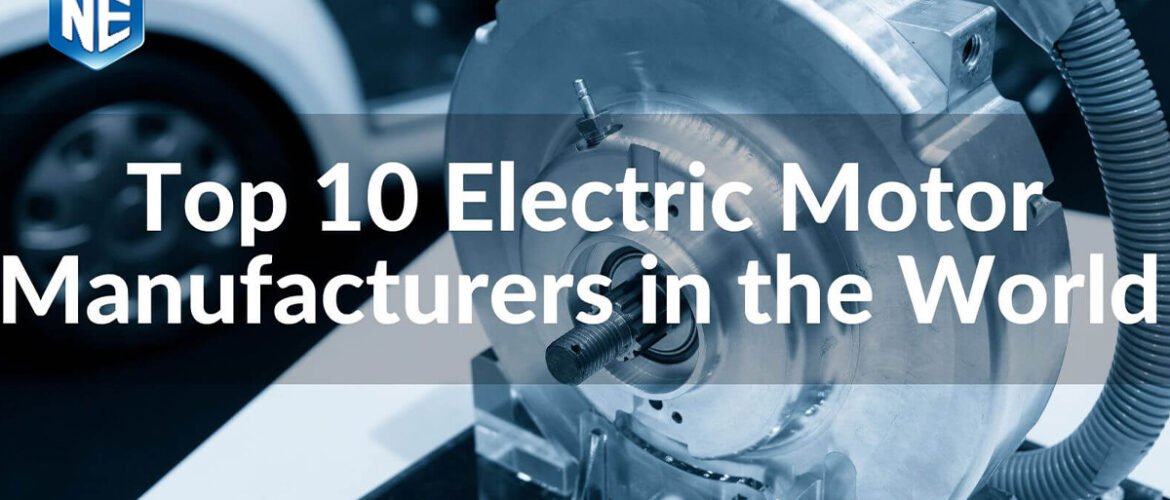
For the person actually behind the wheel, the actual, tangible difference in daily driving is often incredibly small. Almost imperceptible, in fact, unless you’re an engineer performing detailed comparisons.
The Big Reveal: Why It All Blurs Together for Drivers
For 99.9% of drivers, the intricate technical differences between these two motor types are completely academic. It's truly a distinction without a dramatic difference in your real-world driving experience.
When you press the accelerator in any modern EV, you get instant torque. You experience that smooth, silent, incredibly satisfying surge of power that just pushes you forward.
Both types of motors, when properly engineered and integrated into a vehicle, deliver this electrifying experience beautifully. The differences are measurable in laboratory tests, yes, but not always truly felt on your daily commute to work or a weekend getaway.
Are you honestly going to hop out of a Tesla Model 3 (which uses a permanent magnet motor in many versions) and then immediately into a different EV model (with an AC induction motor) and accurately pinpoint the motor type just by driving it?
Unless you're a professional test driver with sensitive equipment attached to your brain, probably not. You'd likely be more focused on the comfortable seats, the awesome infotainment system, or the panoramic view out the window.
It’s like trying to tell the difference between two perfectly baked cakes, one made with organic flour, the other with regular. If both bakers are masters, both cakes will be absolutely delicious. The flour type becomes secondary to the taste.
In an electric car, the "baker" is the carmaker's entire engineering team. The "flour" is just one component among many. The "recipe" includes the advanced software, the mighty battery, the carefully designed chassis, the sticky tires, and the overall aerodynamic design.
"An electric motor is just one piece of a magnificent, silent, super-fast puzzle. A very important piece, but still just one piece of the bigger picture."
Carmakers spend billions making sure their entire electric drivetrain works in perfect harmony. The motor is meticulously engineered to work flawlessly with the battery management system and the car's complex computer brains.
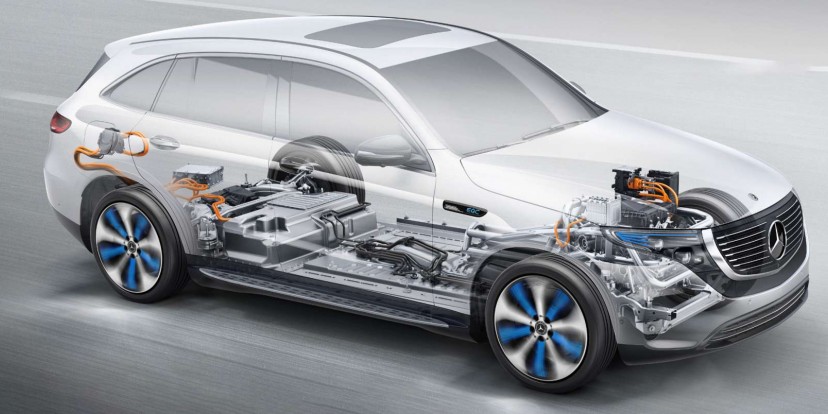
So, if a car feels sluggish, or incredibly responsive, it's rarely just the motor's fault or credit alone. It’s the whole, intricately balanced package working together seamlessly. Or maybe you just need to charge your battery!
The brilliance lies in the total integration, not necessarily in the singular type of component. It's the entire orchestra creating a beautiful symphony, not just one trumpet playing a solo.
What You Actually Care About (Come On, Admit It!)
Let's be completely real for a second. When you're dreaming about or actively shopping for an electric car, what truly makes your heart beat a little faster?
Is it the type of magnetic material used in the motor windings? Or is it the glorious, anxiety-reducing advertised range? Ah, yes, the blissful number of miles you can travel without plugging in!
Or perhaps it's how quickly it charges. Can you grab a quick coffee and be back on the road before your delicious pastry even gets cold? Speed of charging is a huge factor for many.
Maybe it's the sleek, futuristic design. That minimalist interior! The giant, responsive touchscreen that controls your entire digital world on wheels! The wonderfully quiet cabin that lets you actually enjoy conversations or your favorite podcast without engine noise.
And, let's not forget the sheer, unadulterated joy of silent, immediate acceleration. That wonderful feeling of being gently but firmly pushed back into your seat without any engine roar or fuss. Every EV, regardless of motor type, delivers this thrilling sensation brilliantly.
The specific motor type is mostly irrelevant to these core desires that drive our excitement for EVs. Both main types of motors reliably provide that glorious, quiet, thrilling power that we all love.
So, when someone starts droning on about synchronous reluctance motors or switched reluctance motors (yes, those are very real, very complex things), just nod politely.
Then, with a twinkle in your eye, casually change the subject. Ask about the number of cup holders in the back seat. Or if the heated steering wheel is standard. Because those practical comfort features probably affect your daily driving happiness way, way more.
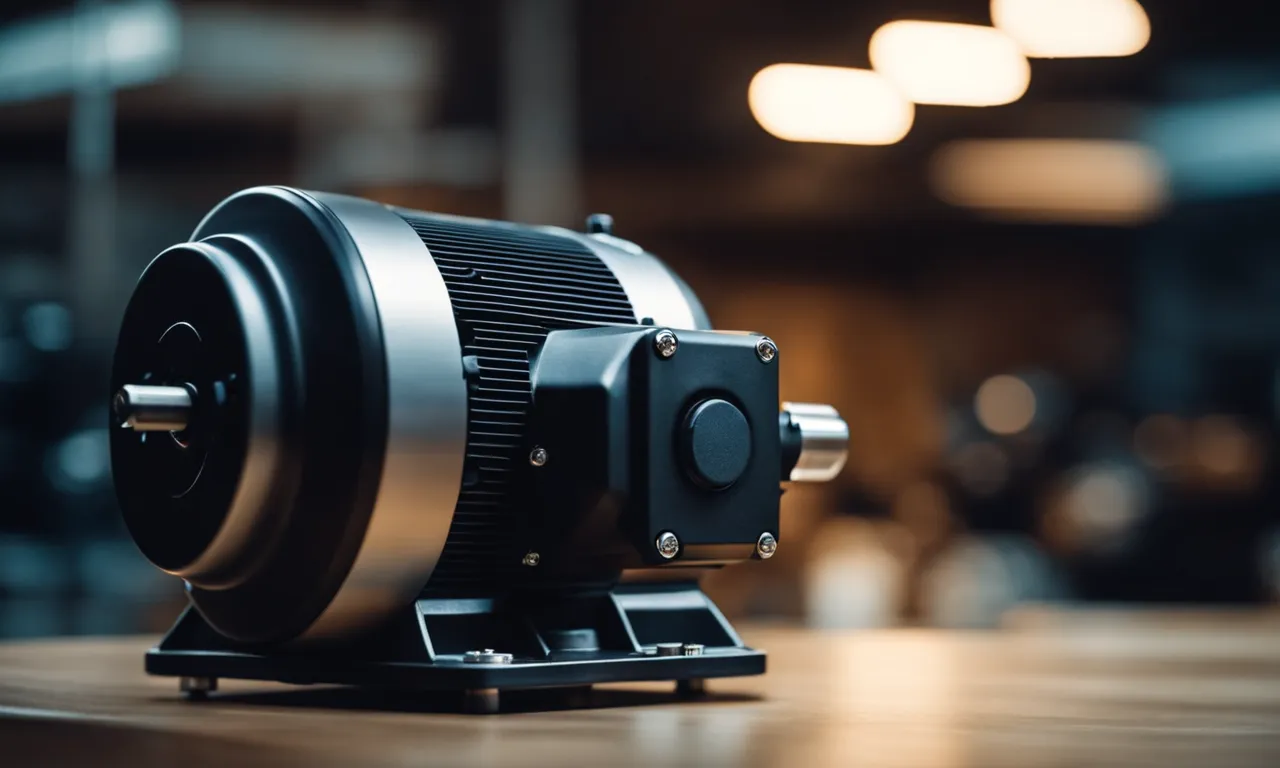
It's about the feeling, the convenience, the style, and the overall experience. Not the hidden technical spec you'll never consciously interact with.
My Unpopular, Yet Surprisingly Accurate, Verdict
So, after all this playful pondering, what truly is the best electric motor for a car? My definitive, expert-level, laugh-out-loud, and frankly, quite sensible opinion is this:
"The best electric motor for a car is simply the one that’s diligently working inside the electric car you absolutely love to drive."
It's the motor that reliably gets you to work, day after day, without a complaint. It's the one that makes passing on the highway feel effortless, even exhilarating.
It’s the silent force that smoothly whisks you home after a long, tiring day, making the journey part of the unwinding process. It’s the motor that integrates so seamlessly into the car’s overall magic that you forget it’s even there.
Don't let the deep technical jargon bog you down or confuse your purchasing decisions. Instead, focus on the joy. Enjoy the incredibly smooth ride. Enjoy the instant, electrifying acceleration. Enjoy the peace and quiet.
Focus on the entire experience that an electric car offers. Because that's what electric cars are truly all about: a fantastic, often stress-free, and almost always surprisingly fun driving adventure.
The specific motor type? It’s merely a crucial but unseen component, working diligently behind the scenes, like a brilliant stage manager for a spectacular show. You don’t see them, but the performance wouldn’t be nearly as flawless without their efforts.
So, next time someone tries to impress you with their in-depth knowledge of motor pole counts and stator windings, just smile. Tell them yours has the "happy motor" because it makes you happy every time you drive.
And that, my friends, is truly the only motor specification that genuinely counts in the grand scheme of enjoying your ride. It’s about the smiles per mile, not the RPMs.
Happy driving! Or, perhaps more accurately, happy quietly gliding towards your next adventure! Enjoy the silence.