
Benefits And Drawbacks Of Geothermal Energy

Imagine tapping into the Earth's own central heating system. That's essentially what geothermal energy is all about! It's like Mother Nature is offering us a giant, underground radiator. Sounds pretty cool, right?
The Good Stuff: Earth's Warm Embrace
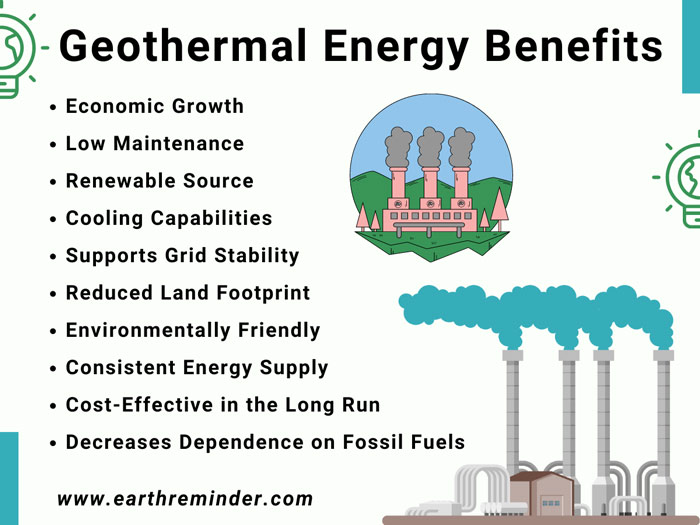
First off, geothermal is a renewable resource. The Earth’s core has been simmering for billions of years, and it's not likely to cool down anytime soon. Unlike fossil fuels, which are finite, geothermal heat is a gift that keeps on giving.
Geothermal plants are surprisingly space-efficient. They don't need vast open-pit mines or sprawling solar farms. They can be tucked away, leaving more room for adorable sheep to graze (or whatever your heart desires).
Must Read
Speaking of adorable, geothermal is also incredibly reliable. Solar panels need sunshine and wind turbines need wind, but the Earth's core? It's always hot. This means consistent energy, day and night, rain or shine. No more grumpy appliances because the sun took a day off!
Plus, geothermal can be used for more than just electricity. Think cozy heated homes in Iceland. Or greenhouses thriving in the middle of winter. Or even melting snow off sidewalks! Talk about a superpower.
Geothermal Heating: Beyond Electricity
Direct use of geothermal heat, such as for heating buildings or greenhouses, is super efficient. It's like giving the Earth a high-five and saying, "Thanks for the warmth!" without a complicated middleman.
And get this: geothermal can even be used for aquaculture! Raising fish in warm, geothermal-heated water allows for faster growth and higher yields. Imagine delicious, sustainably raised fish – all thanks to the Earth's hidden warmth.
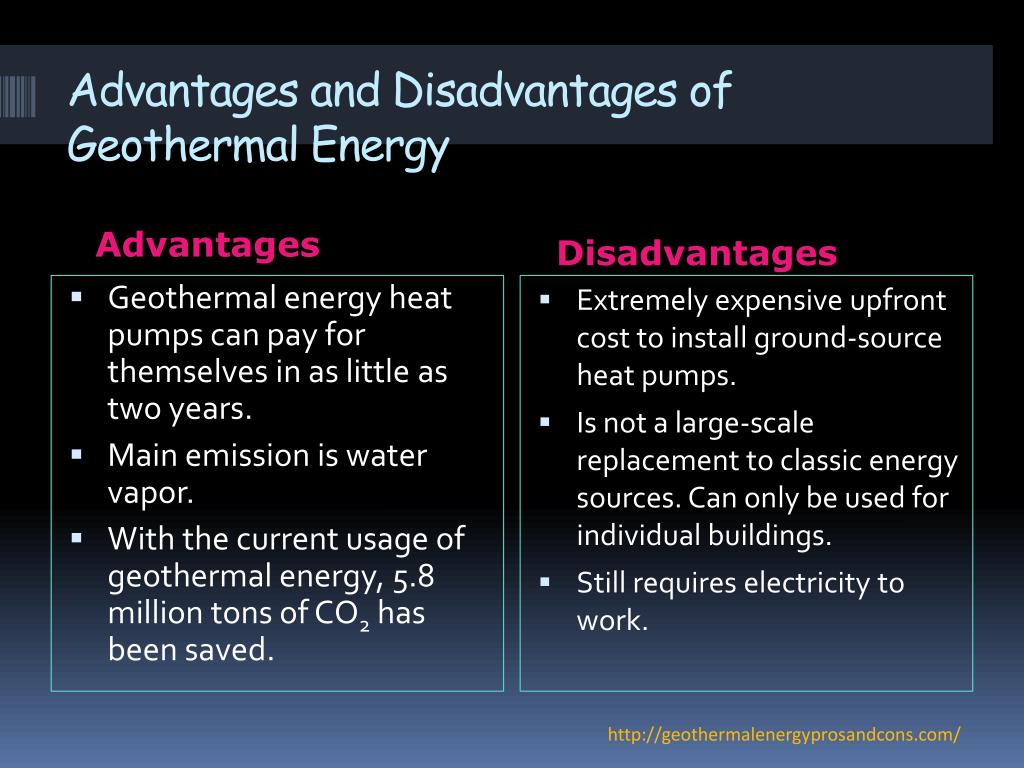
Geothermal heat pumps are another clever application. They use the stable temperature of the earth just a few feet below the surface to heat or cool buildings. It's like having a built-in thermostat, only powered by the planet itself.
The Not-So-Hot Stuff: Earth's Quirks
Now, before you pack your bags and move to Iceland to live off geothermal bliss, there are a few drawbacks to consider. Every superhero has a weakness, and geothermal is no exception.
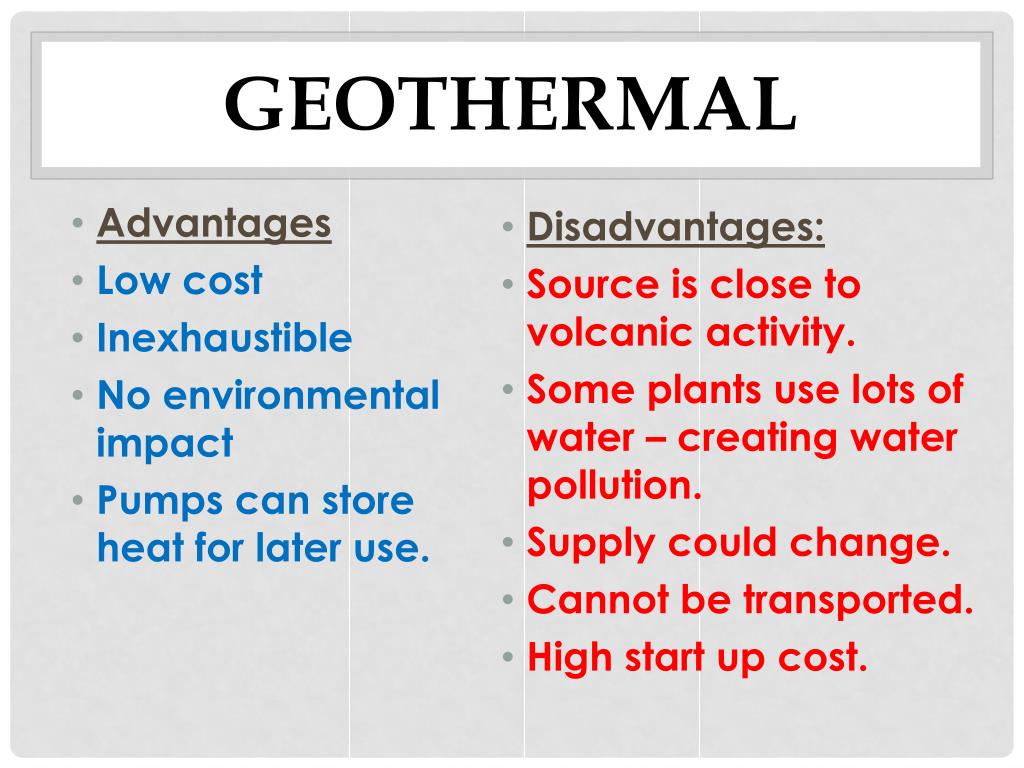
One of the biggest hurdles is location. Geothermal resources aren't evenly distributed around the globe. Some places are geothermal hotspots, while others are...well, cold spots. Imagine trying to build a geothermal plant in Antarctica! Good luck with that.
Drilling deep into the Earth can be expensive and complex. It's not like sticking a straw in a milkshake. It requires specialized equipment and a team of dedicated engineers. Sometimes, things don't go as planned, and you might end up with a geyser where you didn't expect one!
Geothermal plants can sometimes release small amounts of greenhouse gases, like carbon dioxide and hydrogen sulfide. While significantly less than fossil fuels, it's still something to consider. Nobody wants a planet that smells like rotten eggs!
Environmental Considerations: A Delicate Balance
The land use around geothermal plants needs careful management. We don't want to disturb delicate ecosystems or disrupt local communities. It's about finding a balance between harnessing Earth's power and protecting its beauty.
Geothermal energy projects can sometimes trigger minor earthquakes. This is usually due to changes in underground pressure. While most of these quakes are too small to feel, it's still a concern that needs to be addressed. We want clean energy, not shaky foundations!
Disposal of geothermal fluids can also be a challenge. These fluids can contain dissolved minerals and salts that need to be properly managed to avoid contaminating groundwater. It's like cleaning up after a very messy science experiment.
The Future is Warm: Geothermal's Potential
Despite these challenges, geothermal energy holds enormous potential for a sustainable future. As technology improves, we can expect to see more efficient and environmentally friendly geothermal plants popping up around the world.
Enhanced Geothermal Systems (EGS) are a promising technology that could unlock geothermal resources in areas where traditional geothermal plants aren't feasible. It's like giving the Earth a gentle nudge to release its hidden warmth.

With continued research and development, geothermal energy can play a key role in reducing our reliance on fossil fuels and creating a cleaner, greener planet. It's a win-win for everyone!
So, the next time you're enjoying a warm shower or basking in the glow of an electric light, remember the Earth's hidden warmth that makes it all possible. Geothermal energy: it's not just a science project, it's a warm hug from Mother Earth.
"Geothermal energy is the Earth's hidden treasure." - Some Smart Scientist
And who wouldn't want a treasure that keeps on giving?
Real-World Examples: Geothermal in Action
Iceland is a prime example of a country that has embraced geothermal energy. They use it to heat homes, generate electricity, and even grow tomatoes in greenhouses. They're basically living in a geothermal paradise!
The Geysers in California is the largest geothermal power plant in the world. It generates enough electricity to power a city the size of San Francisco. Talk about a hot spot!
Even in places without abundant geothermal resources, heat pumps are becoming increasingly popular for heating and cooling buildings. It's a small but significant step towards a more sustainable future.
The Human Element: Geothermal and Communities
Geothermal projects can bring economic benefits to local communities. They create jobs in construction, operation, and maintenance. It's a way to power both our homes and our economies.
Sustainable geothermal development requires collaboration between scientists, engineers, and local communities. It's about working together to harness the Earth's power in a responsible and equitable way.
And let's not forget the cultural significance of geothermal areas. In some cultures, hot springs and geysers are sacred places. It's important to respect these traditions and protect these natural wonders.
Ultimately, geothermal energy is about more than just science and technology. It's about our relationship with the Earth and our commitment to a sustainable future. It's about finding innovative ways to harness the planet's resources while protecting its beauty and preserving its natural wonders.