Battery Operated Smoke And Carbon Monoxide Alarm
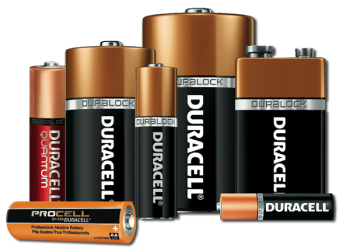
Have you ever paused to truly appreciate the humble gadgets that keep us safe without us even realizing it? We often take them for granted, humming along quietly in the background, until they suddenly spring to life with an urgent beep. Today, let’s shine a spotlight on one such unsung hero: the battery-operated smoke and carbon monoxide alarm. It might sound like a purely practical device, but understanding its role is actually pretty fascinating, like peeking behind the curtain of a tiny, vigilant superhero in our homes!
At its core, this little device has one monumental job: to give you an early warning. Imagine waking up to the smell of smoke, or worse, being silently overcome by an invisible, odorless gas. That’s where our alarm steps in. It's designed to detect the presence of smoke, indicating a potential fire, and also carbon monoxide (CO), often called the "silent killer" because you can't see, smell, or taste it. The benefits are clear and profound: it buys you precious time to escape a dangerous situation, potentially saving lives – yours, your family's, and even your beloved pets'. Beyond survival, it offers an incredible sense of peace of mind, knowing that a vigilant guardian is always on watch, even when you're sound asleep.
These alarms are truly ubiquitous in daily life, and for good reason. You’ll find them diligently mounted on ceilings or walls in nearly every home, apartment, and dorm room. They’re indispensable in places like RVs or tiny homes, where wired power might be less consistent, making their battery-powered independence a huge advantage. In educational settings, they’re crucial for teaching fire safety – the distinct chirp becomes a universal signal for "get out, stay out." During fire drills, children learn to associate the sound with immediate action, reinforcing life-saving behaviors. For older students, it can even be a springboard into discussing basic sensor technology in a science class, exploring how these devices "sniff out" danger using clever internal components.
Must Read
Ready to get a little more curious about your own home's guardians? Here are some simple ways to explore this everyday marvel. First, test your alarms monthly by pressing the test button – it’s a quick burst of noise that confirms everything is working. A good rule of thumb is to change their batteries twice a year, perhaps when you adjust your clocks for daylight saving time. Pay attention to different chirps: a regular, short chirp usually means low battery, while a continuous, loud alarm means danger. Take a moment to read the manual for your specific alarm; you might discover it has features you never knew about! Also, check the expiration date on the back of the unit – yes, they do expire after about 7-10 years, and it's vital to replace them to ensure continued protection. Understanding these small but mighty devices empowers you to keep your living spaces truly safe and sound.