
Average Watts Of A Mini Fridge
Ah, the humble mini fridge. It's more than just an appliance; it's a symbol of independence, a purveyor of late-night snacks, and the silent guardian of your lukewarm beverages in a world full of warm ones. Whether it's tucked under a dorm desk, hiding in a man cave, or a trusty office companion, this little powerhouse holds a special place in our hearts. But have you ever stopped to wonder, as it hums softly in the background, exactly how much juice it's sipping? We're talking about the average watts of a mini fridge, and trust me, it's more interesting than it sounds!
What's a Watt, Anyway? (And Why Should You Care?)
Before we dive into the nitty-gritty, let's get one thing straight: what in the world is a watt? In layman's terms, think of watts as the amount of power your mini fridge is using at any given moment. It's like its thirst level for electricity. The more watts, the thirstier it is. Simple as that!
Now, why should you, a perfectly well-adjusted human, care about this? Well, dear reader, it boils down to two main things you've probably experienced:
Must Read
- Your Electricity Bill: Remember that time your bill mysteriously jumped, and you started eyeing all your gadgets suspiciously? Your mini fridge, while small, plays its part. More watts over time means more kilowatt-hours, and that means a slightly higher number when the bill lands.
- The "Poof!" Moment: Ever plugged in one too many things – perhaps a toaster, a hairdryer, and your mini fridge – only for the lights to suddenly go out? That, my friend, is often a circuit breaker tripping because the total wattage demanded by your devices exceeded what the circuit could safely handle. Your mini fridge, especially during its start-up, contributes to that "poof" potential!
The Big Reveal: Average Watts of a Mini Fridge
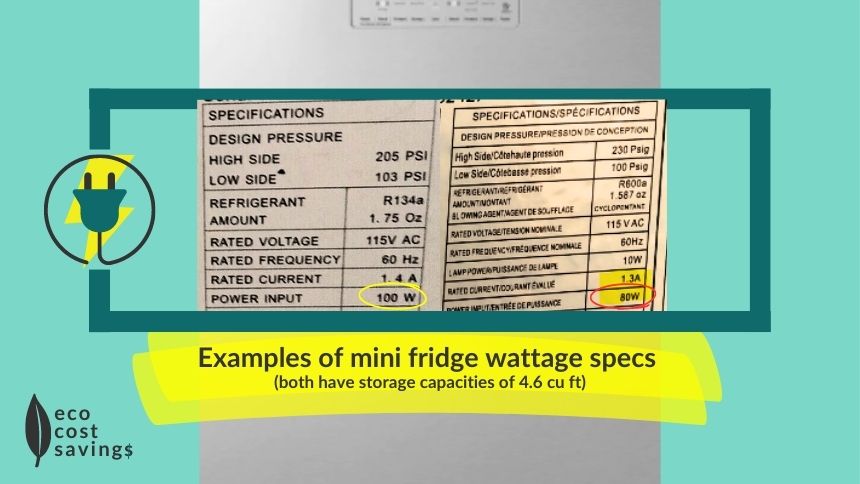
Alright, drumroll please! The moment you've been waiting for. On average, most standard mini fridges will draw somewhere between 50 to 150 watts when they are actively running. Yes, that's right, 50 to 150 watts!
But here's the catch: mini fridges don't run constantly. They're not like marathon runners; they're more like sprinters. They kick into gear, cool things down, and then take a little break (the compressor turns off). So, that 50-150 watt figure is for when it's actively chilling. When it's just coasting, it uses very little to no power.
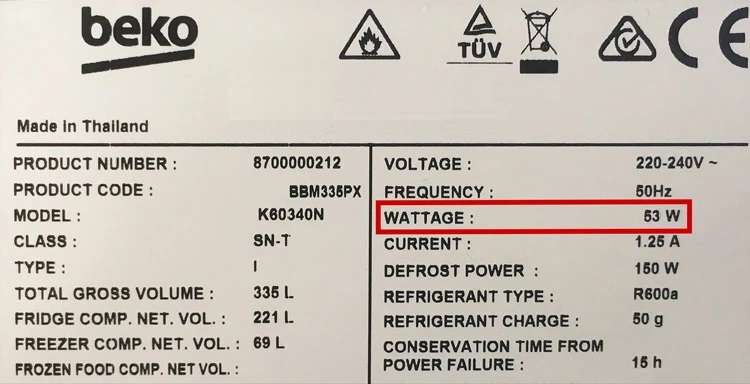
You might notice a slightly higher wattage, say 150-200+ watts, for a brief moment when the compressor first kicks on. Think of it like a car engine cranking up – it takes a bit more oomph to get going. This momentary spike is totally normal and nothing to lose sleep over.
What Makes a Mini Fridge Watt-Hungry (or Not)?
Just like people, not all mini fridges are created equal when it comes to their energy appetite. Several factors can sway that wattage number:
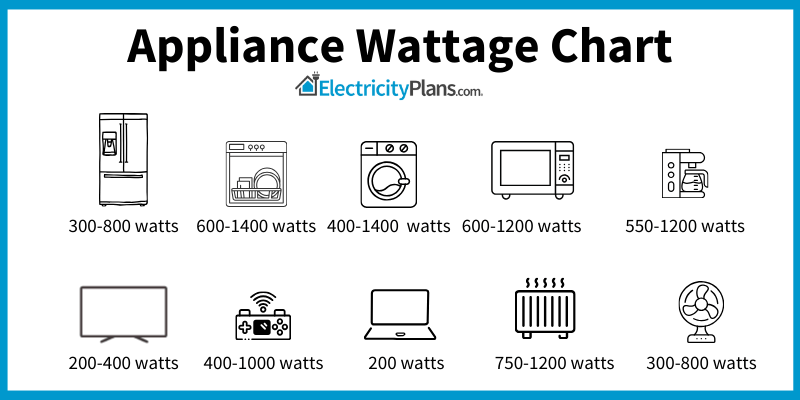
- Size Matters: This one's a no-brainer. A tiny personal fridge designed for a few cans will naturally use less power than a larger "compact" model with a separate freezer compartment. Bigger fridge, bigger appetite.
- Age of the Appliance: Older models, bless their hearts, tend to be less energy-efficient. They're like vintage cars – charming, but a bit more thirsty. Newer models often boast Energy Star ratings, meaning they're designed to sip, not guzzle, electricity.
- Features and Functionality: Does your mini fridge have an ice maker? A dedicated freezer section? These extra perks are fantastic, but they require more power to operate. An ice maker is like adding extra toppings to your energy bill pizza – delicious, but costs a bit more.
- Where It Lives: Is your mini fridge baking in direct sunlight? Or nestled right next to a heat-emitting computer tower? If it's in a hot environment, it has to work much, much harder to keep things cool, thus using more watts. Give it some breathing room!
- How Often You Peek Inside: Every time you open that door to ponder which leftover looks less sad, you're letting cold air out. And guess what? The fridge has to kick on and work harder to get back to temperature. It's the fridge's way of saying, "Make up your mind!"
Becoming a Mini-Fridge Power Pro: Tips to Save Watts!
Want to be a hero to your electricity bill and your mini fridge? Here are some casual tips:
1. Don't Overpack It: Leave some space for air to circulate. A tightly packed fridge is like a crowded elevator – inefficient and stressful.
2. Defrost Regularly: If your freezer compartment looks like a tiny icy tundra, it's making your fridge work overtime. Defrost it! Your fridge (and your wallet) will thank you.
![Mini Fridge Sizes - 1,494+ Studied [Smallest & Most Efficient 2023]](https://ecocostsavings.com/wp-content/uploads/2023/04/mini-fridge-wattage.jpg)
3. Keep Coils Clean: The condenser coils on the back or bottom can get dusty. Dust acts as an insulator, making the fridge work harder. A quick vacuum once in a while does wonders!
4. Check Those Seals: The rubber gaskets around the door are crucial. If they're cracked or loose, cold air is escaping, and warm air is sneaking in. It's like leaving a window open in winter!

5. Mind the Gap: Ensure your mini fridge has enough space around its sides and back for proper ventilation. Don't suffocate it!
Chill Out, You're an Expert!
So there you have it! The mysteries of mini fridge wattage, demystified. You now know that your trusty little cooler generally sips between 50-150 watts when it's actively working, with a small burst at startup. You understand why it matters for your wallet and your circuit breakers, and you've got some savvy tips to make your mini fridge an even more efficient chill master.
Go forth and chill responsibly, my friend. Your snacks (and your electricity bill) will thank you!