Average Wattage Used In A Home
Ever wonder what's really going on behind the scenes in your home? Not the kids secretly eating cookies, but the silent, invisible power dance happening with all your gadgets and gizmos. We're talking about wattage, and while it might sound like something only electricians should fret over, it’s actually the unsung hero (or sometimes, the sneaky villain!) of your monthly electricity bill.
Think of wattage as the "thirst" your appliances have for electricity at any given moment. A small lamp sips like a polite teacup, while your hungry toaster gulps like it’s just run a marathon. Understanding this isn't about becoming an energy guru; it's about getting a little cozy with your home's energy heartbeat. And trust us, once you do, you might even save a few pennies and feel a little smug about being energy-savvy!
The Mighty Power Hogs: Quick Bursts of Energy
Let's start with the big personalities in your home – the ones that demand a lot of power but usually only for a short time. Imagine the morning rush hour in your kitchen:
Must Read
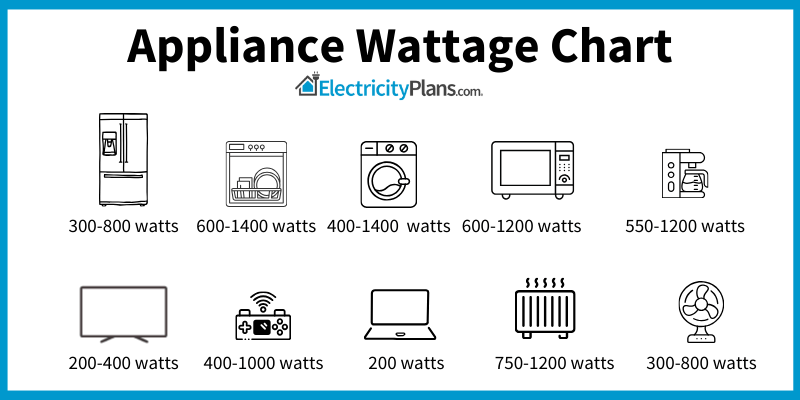
- Your trusty kettle, boiling water for that essential first cuppa, can easily suck down 1,500 to 3,000 watts. It's a sprint runner, not a marathoner!
- Right beside it, the toaster, transforming bread from floppy to fabulous, might use 800 to 1,500 watts. Another quick burst of energy for that perfect crunch.
- And what about your hair dryer? Getting ready for the day with a blast of heat can be a power hungry moment, often pulling 1,200 to 1,875 watts. It's like a tiny jet engine for your hair!
These appliances are like the star performers who shine brightly for a few minutes and then take a bow. They might have high wattage, but because their usage is brief, they don't always stack up as the biggest bill culprits over time.
The Steady Sippers: Constant, Low-Key Energy Use
Now, let's meet the quiet, dependable members of your appliance family. They don't make a fuss, but they're always there, working away in the background. These are the marathon runners:
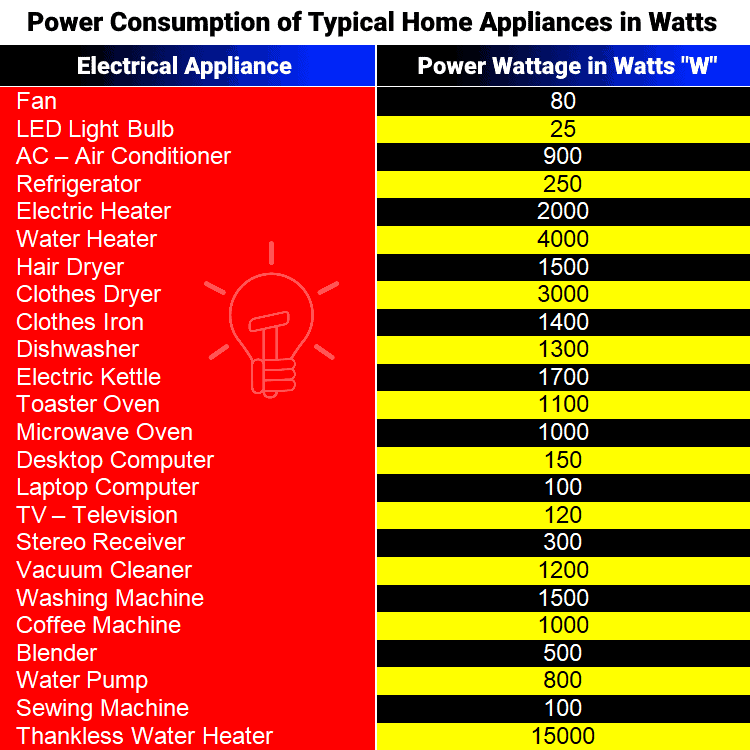
- Your refrigerator is the ultimate steady sipper. While the compressor kicks on and off, the average fridge uses about 100 to 250 watts when actively cooling. But here’s the kicker: it’s running all day, every day. Over a month, those small sips add up significantly!
- Your Wi-Fi router and modem, the gateway to all your internet adventures, probably use a mere 5 to 10 watts. Sounds tiny, right? But just like your fridge, it’s always on. That adds up too, like a tiny, constant drip from a faucet.
- The humble LED light bulb is a true hero, usually only needing 5 to 10 watts to brilliantly illuminate a room. Compared to old incandescent bulbs (which could be 60-100 watts!), LEDs are super efficient. Switching to these is often one of the easiest wins for your wallet.
It’s these always-on items that often surprise people when they look at their total energy consumption. They’re not flashy, but their consistency makes them important players.
The Sneaky Standby Suckers: Power You Didn't Know You Were Using
Ah, the "vampire" power, or what we like to call the "I'm just resting my eyes" energy. This is the power drawn by electronics when they're turned off but still plugged in. Think about:

- Your TV, sitting there patiently waiting for you to pick up the remote, can still be drawing a few watts.
- Your phone charger, still plugged into the wall even when your phone isn't attached, continues to draw a tiny trickle.
- Even your coffee maker with its digital clock might be using a little bit of juice around the clock.
Individually, these are tiny, tiny sips. But gather them all up – the TV, game consoles, computer monitors, microwave clock, sound systems – and suddenly you have a small army of silent power consumers. It’s like leaving a dozen tiny lights on in different rooms; individually negligible, but collectively, they add up to a noticeable glow on your bill.
So, Why Should You Care About All This Wattage Stuff?
Besides impressing your friends with your newfound energy wisdom, there are two fantastic reasons to get acquainted with your home's wattage habits:

Your Wallet Will Thank You!
This is the most direct benefit. Understanding which appliances are heavy hitters and which are constant sippers allows you to make smart choices. Do you really need to leave that old desktop computer on all the time? Is your spare fridge in the garage costing you more than you think? Every little bit of awareness can translate into real savings on your electricity bill. Imagine what you could do with that extra cash – maybe an extra fancy coffee or a new houseplant!
It's a Win for the Planet (Without Being Preachy!)
Lower energy consumption in your home means less demand on power plants, which often translates to a smaller carbon footprint. You don't have to live off-grid to make a difference. Simply unplugging a few idle chargers or switching to energy-efficient bulbs is a small, easy step that collectively creates a big impact. You get to be a quiet environmental superhero, one unplugged device at a time.
So, next time you plug in your toaster or see your fridge humming away, give a little nod of understanding. You're now in the know about the average wattage used in your home, and that's a pretty cool superpower to have!