Average Wattage Use Of A Home
Ever wonder what your home is really doing behind the scenes, besides just being your cozy haven? We're talking about its energy heartbeat! Understanding the average wattage use of a home might sound like a super technical, snooze-inducing topic, but trust us, it's actually like unlocking a secret level in a video game for your house. It’s an incredibly useful and surprisingly fascinating insight into the daily life of your dwelling, and it can empower you with some serious financial and environmental superpowers!
Why should you care about watts, amps, and volts? Well, knowing your home's wattage habits is your first step towards becoming an energy detective. The purpose is simple: to gain clarity. The benefits are even better: you can start making smarter choices that lead to significant savings on your electricity bill, reduce your carbon footprint, and even understand why that old toaster always trips the breaker! It helps you identify the energy hogs and appreciate the efficient stars among your appliances, turning you into a more informed consumer and a champion for a greener planet.
So, what exactly is "wattage"? In simple terms, it's the rate at which an electrical device consumes energy. Think of it like this: if electricity were water, wattage would be how fast the water is flowing out of the tap. A high-wattage appliance uses more power quickly. For an "average home," there isn't one magic number, because your home's wattage use is a dynamic ballet of all your devices humming along. At any given moment, your home might be drawing anywhere from a mere 100 watts (when most things are off but still plugged in) to several thousand watts when you're running the dryer, air conditioning, and a few other things simultaneously!
Must Read
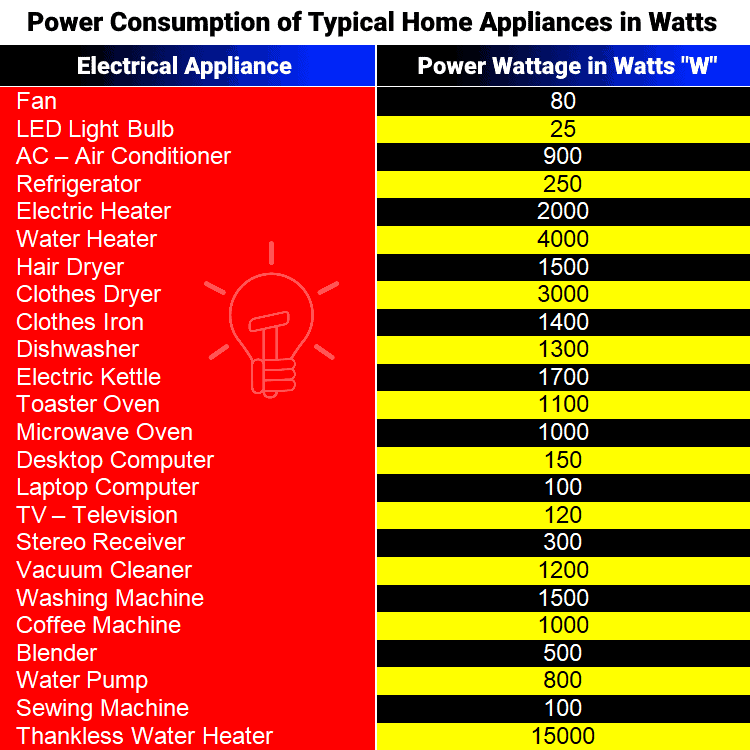
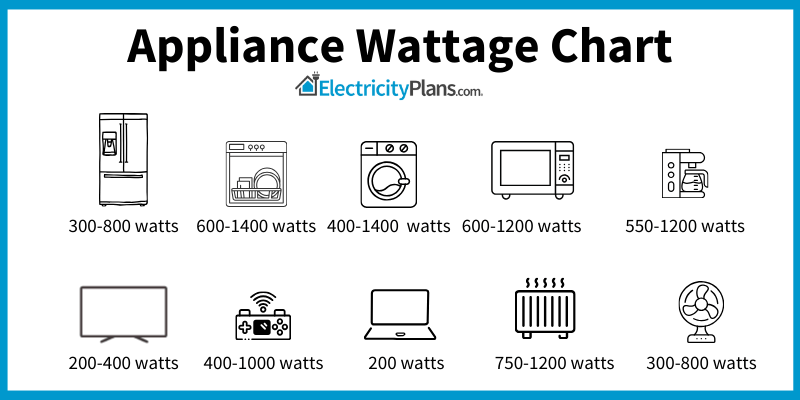
Let's look at some common culprits and their typical wattage: A standard LED light bulb might use only 8-12 watts, while a desktop computer with a monitor could be around 150-300 watts. Your trusty refrigerator runs intermittently, averaging around 150-400 watts when its compressor is on. But then you have the big guns: an electric oven might pull 2,000-5,000 watts, and an electric clothes dryer can guzzle a whopping 3,000-5,000 watts! Even a hair dryer can momentarily spike to 1,500-2,000 watts. When you multiply these numbers by how often and how long you use them, you start to see how quickly those kilowatt-hours (kWh – what your bill measures) add up.
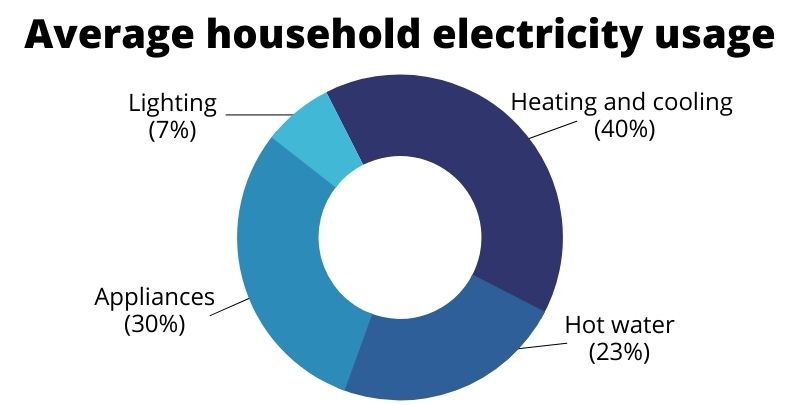
Factors influencing your average wattage include the size of your home, the number of occupants, your local climate (hello, AC and heaters!), the age and efficiency of your appliances, and, of course, your personal lifestyle. Love long hot showers and leaving lights on? Your average will be higher. To find out your home's actual usage, check your utility bill for kWh consumption, or consider investing in a smart meter or whole-home energy monitor. These tools can reveal your hidden power users and empower you to make smart choices like unplugging "phantom loads" (devices that draw power even when off) and upgrading to energy-efficient appliances. It’s a game-changer for your wallet and the planet!